

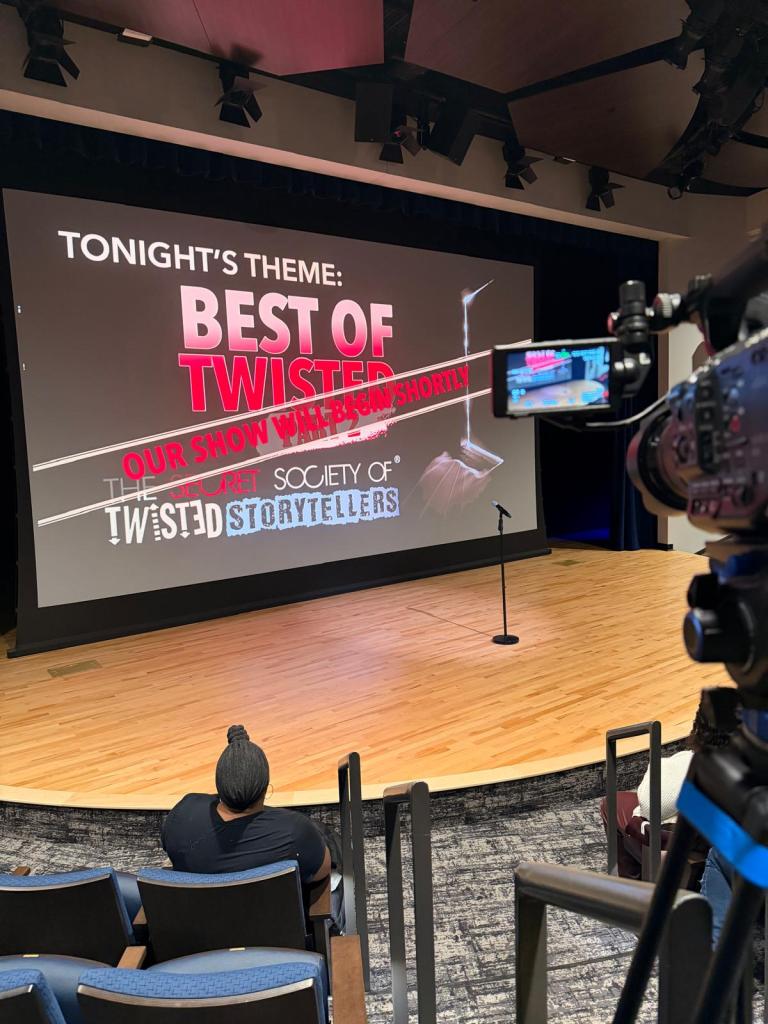
I was invited back to the Charles H. Wright Museum of African American History to share my Chaldean American story as part of the BEST of The Secret Society Twisted Storytellers (TSSOTS).
Satori’s Vision and TSSOTS
The Secret Society of Twisted Storytellers was founded in 2012 by Satori Shakoor. What began in a 45-seat performance space in downtown Detroit has grown into something remarkable, with standing-room-only audiences at venues like The Marygrove Theater and the Charles H. Wright Museum of African American History.
[Image Placeholder: Satori Shakoor or TSSOTS moment]
Satori is a powerhouse. Her warmth, wisdom, and passion for storytelling have transformed countless lives. Beyond her work with TSSOTS, she’s also a talented artist and storyteller with an upcoming film project, Confessions of a Menopausal Femme Fatale.
Her vision is simple yet profound: to use storytelling as a tool for healing, connection, and transformation. And she’s created something extraordinary – a space where people can be vulnerable, where stories are honored, where healing happens.
The Evening’s Theme
This evening was different from my last visit. Different audience. Different speakers. Different stories. But the same powerful experience of what happens when people gather to listen with their hearts.
We were all given a question to reflect on and speak from: “Why is storytelling important to you?”
My answer: Because it helped me heal, grow, and help others.
That question became the foundation for all the stories shared that evening. Each of us spoke from that place, exploring why this work matters to us personally.
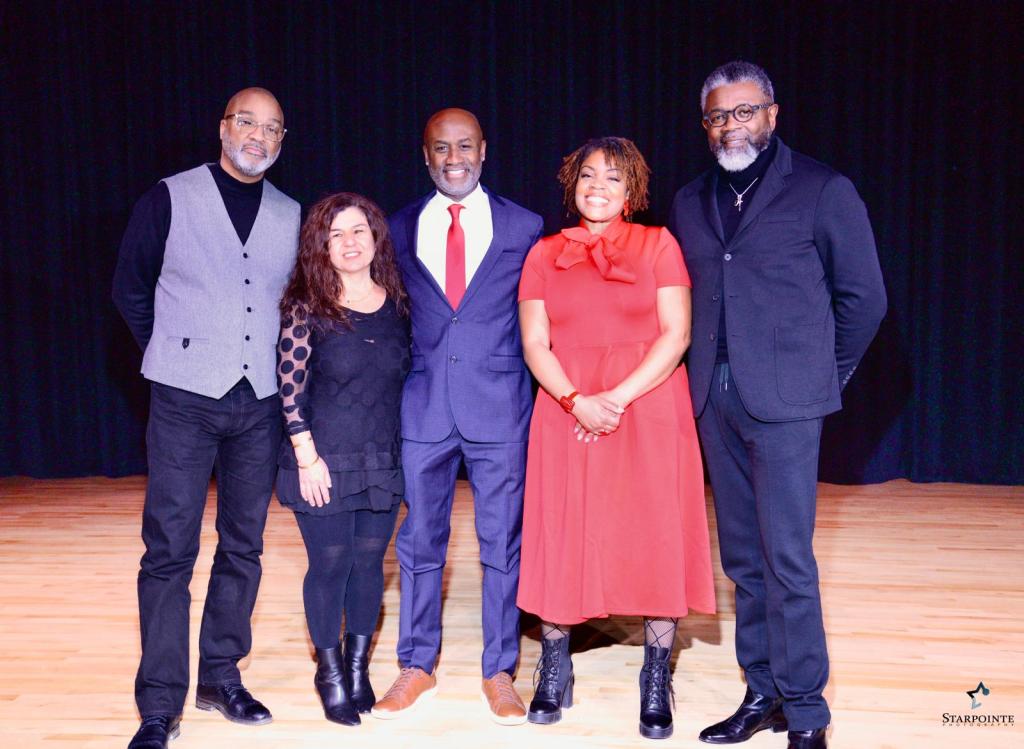
Stories of Transformation
That evening, we each shared our journeys. Each story was different, but together they created something powerful.
Delisicia Jenkins : A Journey of Transformation
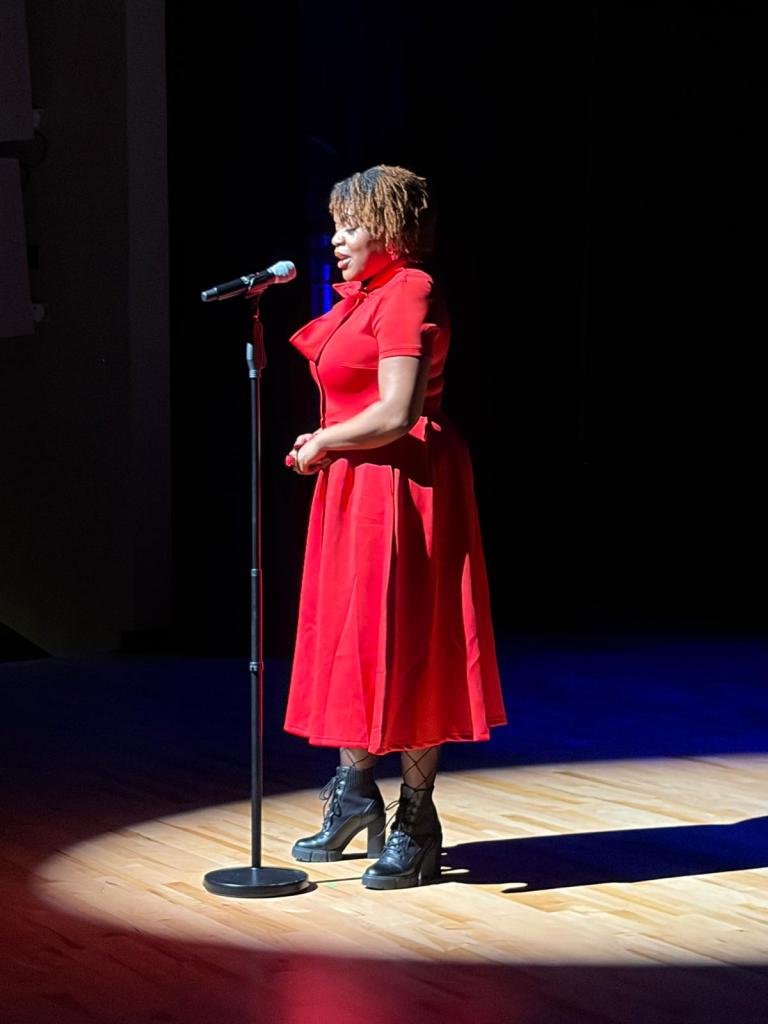
Delisicia Jenkins, the woman in the red dress, shared her story with remarkable honesty and humor.
She talked about her time as a loan officer, the choices she made that she wasn’t proud of, and the consequences that followed. She faced serious legal trouble and time away from her family.
But instead of letting that time break her, she used it to transform herself. She wrote manuscripts about her experience. About integrity. About what really matters beyond money and material success.
When she came out, she became a teacher. She now teaches third grade, sharing the lessons she learned with young students.
After the event, I approached her and asked if she had published her work. She said not yet. I told her: “When you’re ready, let’s do something together.”
Her story showed us that our lowest moments can become our greatest teachers.
Daniel A. Baxter: Witnessing History
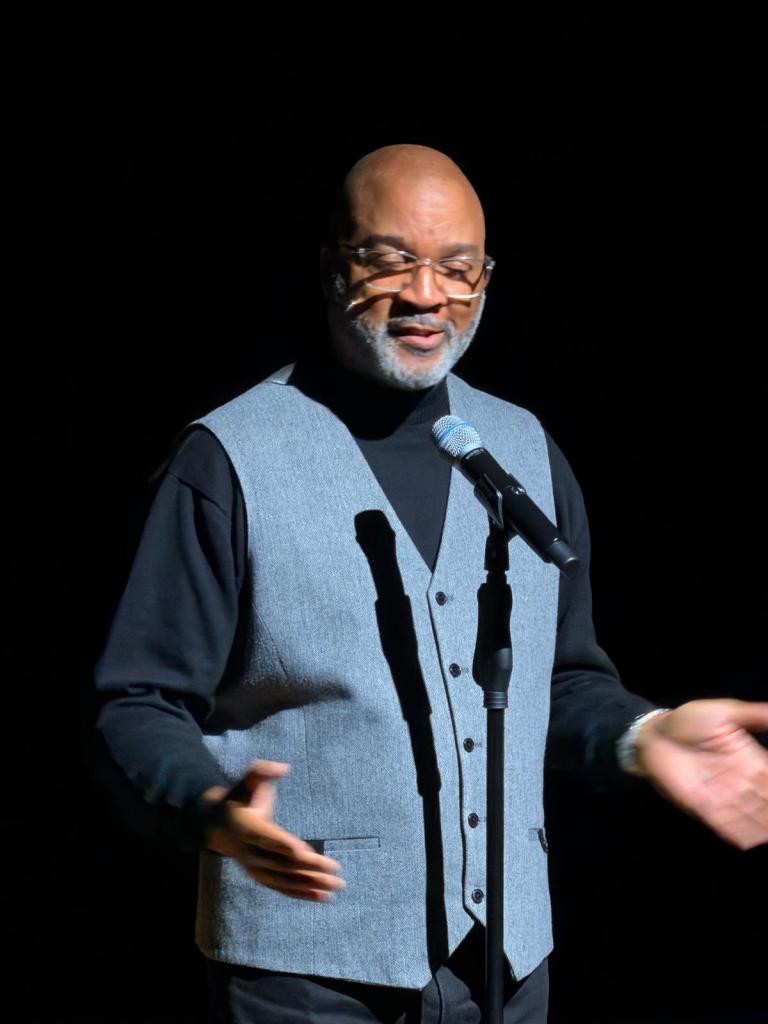
Another speaker, Daniel A. Baxter, worked for the electoral office in Detroit during a historic time.
He shared what it was like to witness the election of President Barack Obama. He described elderly Black voters who had never voted before stepping into the booth. People who said they never thought they’d see this day in their lifetime.
He talked about the emotions in that room. The tears. The sense of possibility. The feeling that change was real.
His story reminded us of the power of hope. Of what happens when people believe something better is possible.
Maxie Jones: The Gift of Presence
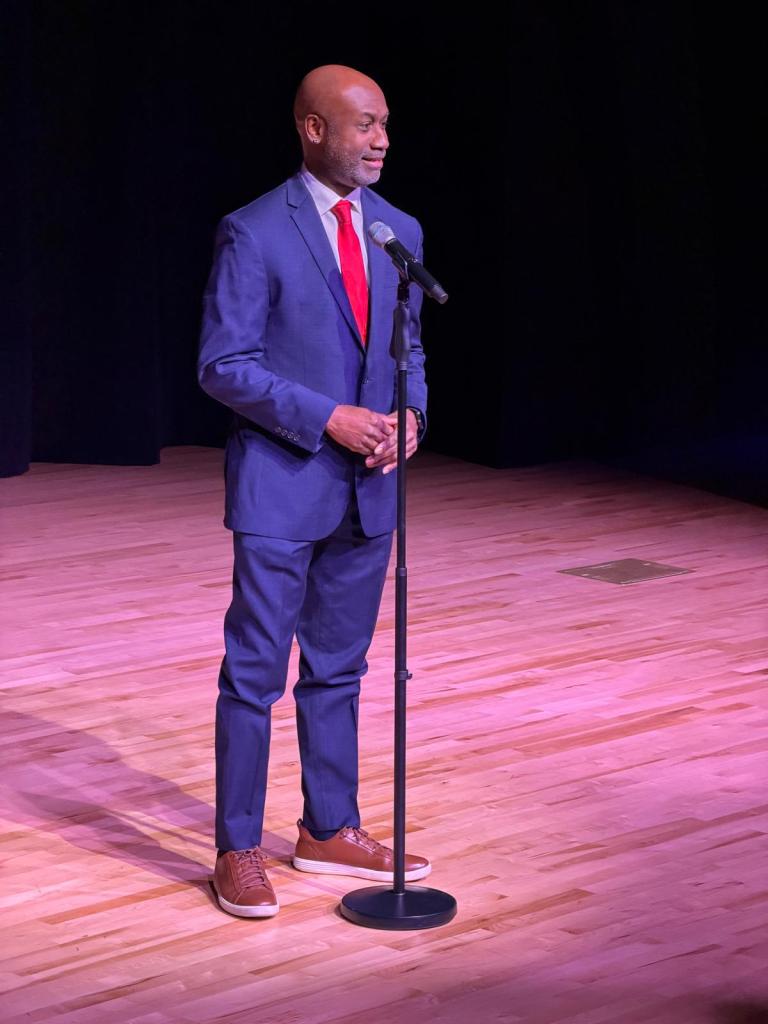
A third speaker, Maxie Jones, shared his journey through addiction and recovery.
He talked about reaching his lowest point. About the people who answered the phone in the middle of the night when he needed help most. The people who stayed on the line. Who gave him their time and energy.
After he recovered and rebuilt his life, he didn’t just move forward. He traveled to personally thank every single person who had been there for him during those dark moments.
His story was about gratitude. About recognizing that we can’t do this alone. That the people who show up for us deserve to be acknowledged.
What Made These Stories Powerful
Every storyteller that evening used humor. We all reflected on ourselves honestly. None of us tried to make ourselves look perfect or hide our struggles.
We showed our mistakes. Our weaknesses. Our humanity.
And that’s what created connection.
Because when you’re honest about your journey, people see themselves in your story. They feel less alone. They understand that growth comes from facing the hard things, not avoiding them.
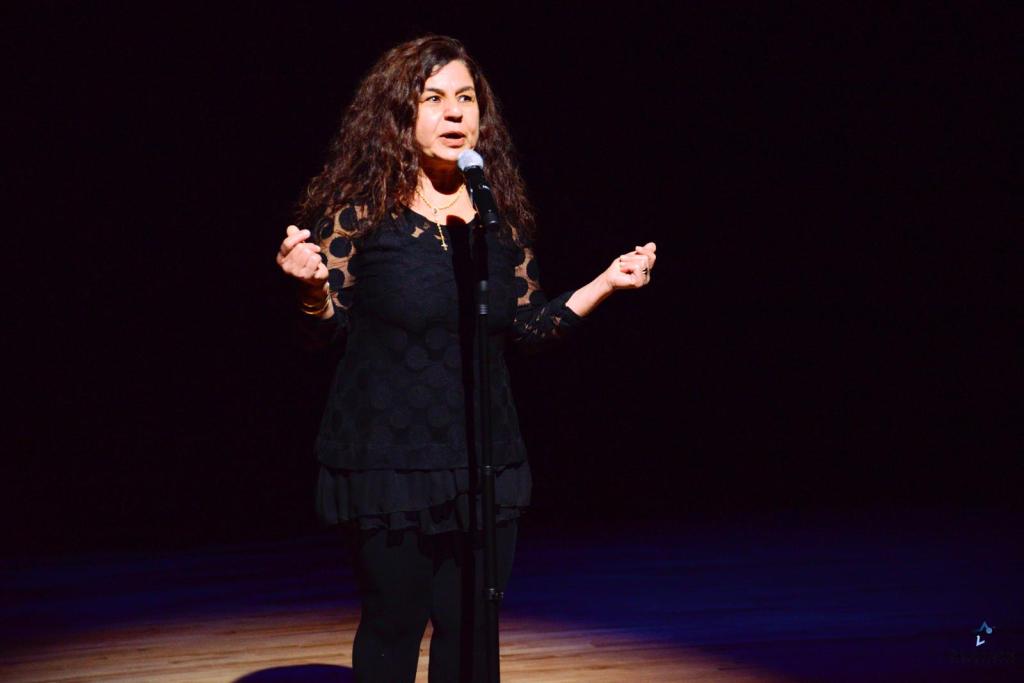
An Extraordinary Audience
The audience at the Charles H. Wright Museum is special.
They don’t just watch. They listen with intention. They create a safe space where storytellers can share the truth without fear of judgment.
My husband came with me this time. (Jamal Adams was supposed to come, but it was too cold and he uses a wheelchair, so parking would have been a bit difficult.) My husband doesn’t usually attend these events, but I’m so glad he did. He loved it.
He saw what I experience every time I’m there: an audience of people from backgrounds in arts, culture, and education who truly understand the power of storytelling.
I want to continue supporting this space. I want to bring Pomegranate here for a screening. I want to keep coming back.
The Power of Listening
One of the most important aspects of the evening was the emphasis on listening.
The audience was reminded of their vital role. Listening is an art form. When it’s done with intention and an open heart, it transforms both the storyteller and the listener.
Too often, people listen while preparing what they’ll say next. They miss the essence of what’s being shared. But when you listen with your full attention, you create space for authentic stories to unfold.
That’s what the audience did that evening. They held space for all of us.
Why Storytelling Heals
The question we were given – why storytelling is important – had a simple answer for me: Because it helped me heal, grow, and help others.
I know not everyone understands this. Even educated, accomplished people often see storytelling as entertainment. Something nice but not essential.
But storytelling is a tool for healing. It helps you make sense of your life. It helps you see patterns. It gives you ownership of your narrative instead of letting others define you.
If you understand what storytelling can do, it will change your life. If you don’t recognize its power, you’ll miss the transformation it offers.
And here’s the beautiful part: when you heal through your story, you help others heal too. That’s what happened in that room.
A Final Thought
As I left the stage that evening, I carried with me the support of everyone in that room.
I thought about my fellow storytellers and their courage. I thought about Jacob Walker and how beautifully he guided the evening.
And I thought about my response to the question we were all given: Because it helped me heal, grow, and help others.
That’s why I keep sharing my story. That’s why I support spaces like this. That’s why this work matters.
Because the healing that happens in these rooms doesn’t stay contained. It ripples out. It touches everyone who hears these stories. It reminds us that we’re not alone. That our struggles have purpose. That our stories matter.
Thank you to Satori Shakoor for creating The Secret Society of Twisted Storytellers and for inviting me back. Thank you to the Charles H. Wright Museum of African American History for hosting this powerful evening. Thank you to [EMCEE NAME] for guiding us through the stories with such grace. Thank you to my fellow storytellers for your courage and honesty.
And thank you to every person in that audience who listened with an open heart.
This is the power of storytelling. This is why it matters.
For more than 20 years, I’ve shared my work through books, workshops, retreats, seminars, and personal consultations. I love helping writers and creatives develop their voice, strengthen their craft, and bring their unique vision into the world.
Learn more at weamnamou.com.
To learn more about The Secret Society of Twisted Storytellers or to attend future events, visit www.twistedtellers.org.
To learn more about Pomegranate, visit weamnamou.com.
 The Path of Consciousness