
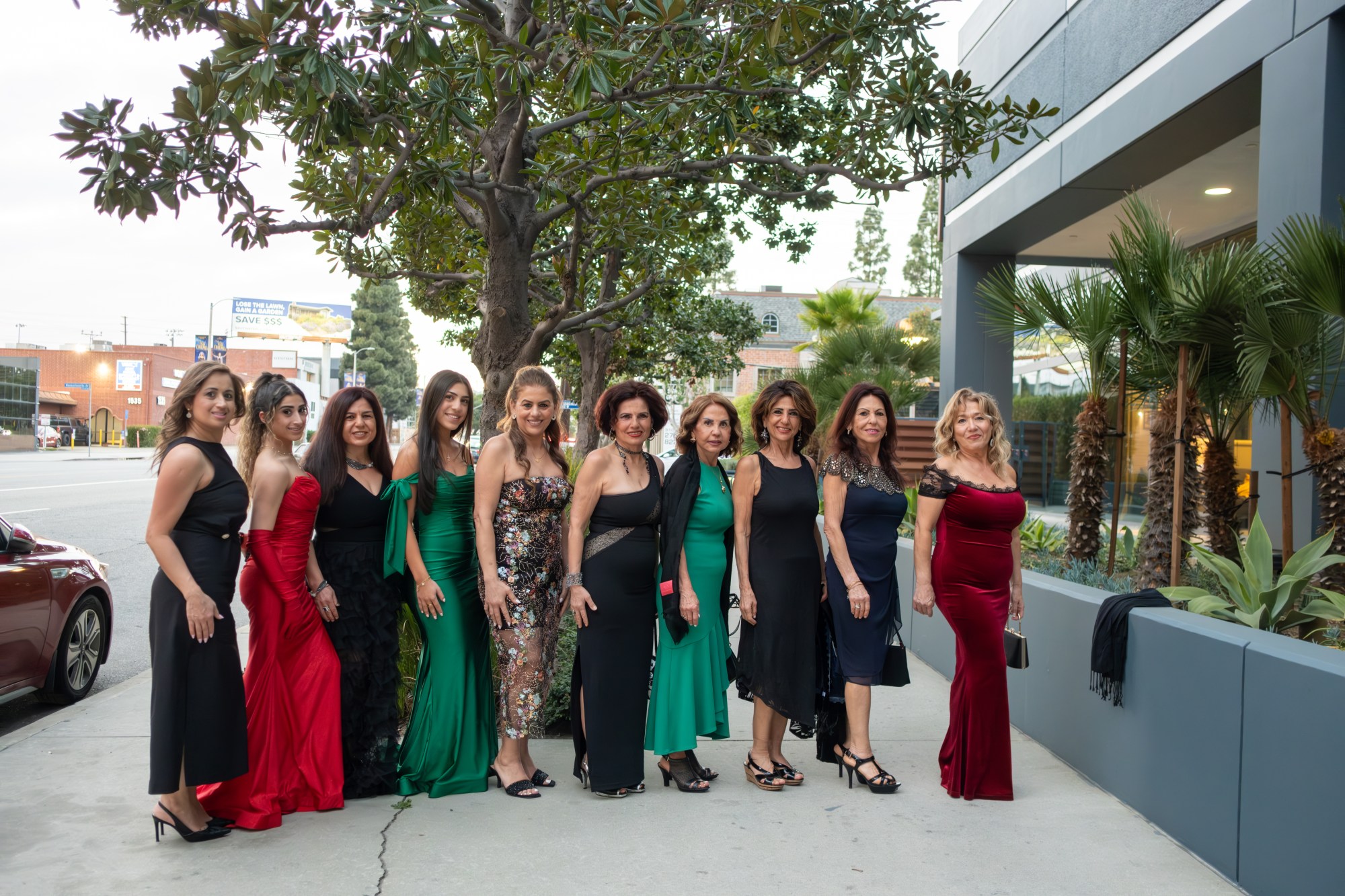
Recently, I had the honor of being interviewed by Daniel Rosenstein of Ultimate Energy Coach. It was a powerful conversation that delved deeply into topics close to my heart: my film Pomegranate, my Native American teachings, my journey of healing through shamanism, and the empowerment of women through film.
I believe that healing is important because once you heal certain tramas, you naturally become a healer to others—simply by being yourself. This truth resonates deeply with me, as healing runs through my lineage. My ancestors—my father, grandfather, and my great-grandmother Maria—were all healers. It’s a calling that has been passed down through the generations, and I feel privileged to walk this path.
Interestingly, our connection came through a mutual friend, and we discovered a fascinating coincidence: Daniel’s mother was born in Iraq and left during the 1948 Jewish Exodus. I was born in Iraq as a Chaldean (Neo-Babylonians who still speak Aramaic) and my family left due to the country’s unsettling and oppressive ways. This shared understanding of exile and roots created a deeper connection.

Seven Generations Back, Seven Generations Forward
One of the most profound topics discussed was the importance of honoring both the past and the future. Like Native American teachings, our culture emphasizes doing things “seven generations back and seven generations forward.” The blessings we experience today are the result of our ancestors’ actions, and what we do now will shape the lives of our descendants. This perspective has always been a guiding force in my life and my work.
Pomegranate and the Power of Story
During the interview, I reflected on my recent trip to Los Angeles for the premiere of Pomegranate. While driving through areas like Hollywood, I learned from Uber drivers about the diversity of these neighborhoods—home to significant Jewish, Persian, and Armenian populations. It struck me how the Jewish community is often said to “rule Hollywood,” and I thought: that’s not a bad thing. They understand the power of storytelling.
I often question why our own community doesn’t invest in storytelling. Why don’t we support the art of telling our stories, of humanizing ourselves through authentic narratives? Creative expression is healing, while destruction only leads to pain. And it’s not like we lack talent—while casting for Pomegranate, we received thousands of portfolios from incredibly talented Middle Eastern actors.
Breaking Labels and Finding Balance
Another key part of the discussion was about not putting labels on things. For example, shamanism is often misunderstood, yet it brought me closer to my Christian roots. After all, wasn’t Jesus a mystic, a healer, and someone who said, “You will do things greater than I”?
I also spoke about the importance of the men in my life who helped bring this project to life—my husband, who gave me the space to follow my dream, and incredible collaborators like Sam Sako, Scott Rosenfelt, Jamal Adams, Kevin Hewitt, and others. They stuck with this project and gave me strength when I felt like giving up.
This ties into one of the most valuable lessons I’ve learned from energy teachings: the importance of balancing the feminine and the masculine. Both energies are essential, and finding harmony between them is a cornerstone of healing.
Healing Through Creativity
Ultimately, our conversation came full circle to the idea that healing is inherently creative. By embracing creativity, we can transform not only ourselves but also the world around us. This is the heart of storytelling—connecting, humanizing, and healing.
I invite you to watch the full interview with Daniel Rosenstein here. Together, we explored the power of heritage, healing, and storytelling in ways that I hope will inspire you as much as they inspired me.
 The Path of Consciousness