The Second Wednesday: How Writing Ritual Became My Monthly Anchor

I used to think that discipline meant forcing myself to write every single day, no matter what. That if I missed a day, I was failing. That real writers didn’t struggle with motivation or doubt.

Then I became a mother. Then I started juggling multiple projects. Then life happened in all the ways life happens, and I realized something important: discipline isn’t about perfection. It’s about showing up when you can and creating rituals that keep you tethered to your purpose.

That’s how my Writing Ritual was born, and over the years, it grew to where I started sharing it with others.

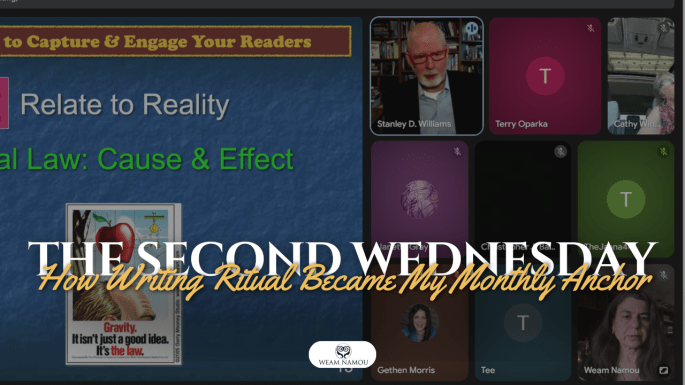
Every second Wednesday of the month, from 11 AM to 12 PM EST, writers from all over gather online for an hour. Not to critique manuscripts or workshop scenes. Just to breathe. To remember why we started this in the first place. To set intentions and remind ourselves that we’re not alone in this work.

And thanks to the Authors Guild, it’s completely free.

How It Started

In 2018, I became an Authors Guild ambassador when the organization launched its regional chapter initiative. The Authors Guild is the nation’s oldest and largest writing organizationโ€”they fight for copyright protections, provide legal support for contract reviews and disputes, and offer professional resources and community for writers across the country

The regional chapter program aimed to create supportive local communities for writers in cities like Detroit, Chicago, Cleveland, Philadelphia, and Seattle. As the Detroit ambassador, I wanted to create something that felt personal. Something that honored what I saw writers needing most: consistency, encouragement, and a space to just be.

One day, I was brainstorming with the Authors Guild’s Manager of Regional Chapters. I mentioned that I’d been running workshops focused on intention-setting and creative practiceโ€”rituals that helped writers reconnect with their voice and vision.

She said, “Why don’t you turn it into a monthly online meeting?”

That conversation became Writing Ritual.

What Happens in Writing Ritual

Writing Ritual is an hour-long virtual gathering. We don’t workshop. We don’t critique. We focus on the practice of writingโ€”the mindset, the discipline, the ritual of showing up even when it’s hard.

Each month, we explore themes like setting clear intentions for your writing, overcoming creative blocks, building sustainable habits, and honoring your voice when the world tells you to conform.

It’s a space to pause. To reflect. To ask yourself, Why am I doing this? What story am I trying to tell? What am I afraid of?

And to hear other writers ask the same questions.

Why This Matters to Me

Writing can be so isolating. You sit alone with your thoughts, your doubts, your ideas. You wonder if anyone will care about what you’re creating. You question whether you’re good enough, whether it’s worth it, whether you should keep going.

I’ve been there. I still go there sometimes.

But what I’ve learned over the years is that community changes everything. Not a community that judges or competes, but one that simply witnesses. That says, I see you. I’m here too. Keep going.

Over the years, I’ve watched writers join hesitantlyโ€”unsure if it’s “for them”โ€”only to become regulars who protect this hour fiercely. They tell me it keeps them grounded. That it helps them remember their purpose when everything else feels chaotic.

One writer told me, โ€œThis hour every month brings me back to why I even started writing โ€” it reminds me that my stories matter.โ€

That’s what I hoped for when we started.

My Own Struggle with Ritual

I’ll be honest. There have been months where I almost canceled Writing Ritual. Where I thought, I’m too busy. I have too much on my plate. Maybe people won’t notice if I skip this month.

But then I’d show up. And so would they. And I’d remember why I created this in the first place.

Because I need it too.

I need the reminder that writing isn’t just about productivity or publishing. It’s about staying connected to the part of myself that has something to say. The part that believes stories matter.

Writing Ritual has become my anchor. The one thing that, no matter what else is happening, reminds me to slow down and remember why I started this work.

If You’re Looking for This

If you’re a writer who feels scattered, overwhelmed, or disconnected from your purposeโ€”Writing Ritual is for you.

If you’ve been meaning to start that project but keep putting it offโ€”this is for you.

If you just want an hour each month where you’re not alone in this workโ€”this is for you.

We meet every second Wednesday of the month from 11 AM to 12 PM EST. It’s free. You don’t have to be an Authors Guild member to attend, though I highly recommend joining if you’re serious about your writing career.

A Final Thought

For more than 20 years, I’ve shared my work through books, workshops, retreats, seminars, and personal consultations. I love helping writers and creatives develop their voice, strengthen their craft, and bring their unique vision into the world.

Writing Ritual is an extension of that missionโ€”a space where writers can gather, set intentions, and support each other in this beautiful, challenging work we’ve chosen.

I hope you’ll join us.

To learn more about my work and offerings, visit weamnamou.com/services 

Weam
Returning to Sacred Ground: Remembering My Teacher Lynn Andrews

There are places that hold memory. Not just in photographs or stories, but in the land itself. In the soil, the air, the way the light falls at dusk.

This past fall, I returned to one of those places. Lynn Andrews’ home in Arizona.

Lynn was my teacher. The woman who helped me find my voice again when I thought I’d lost it forever.

Years ago, struggling with writer’s block, juggling motherhood and the weight of watching my birth country torn apart by war, I picked up her book Writing Spirit. One phone call to ask for literary advice turned into four years in her shamanic Mystery School, a journey that would transform everything. I’ve written about this experience in my four-part memoir series, Healing Wisdom for a Wounded World, because Lynn’s teachings didn’t just help me write again. They helped me live again.

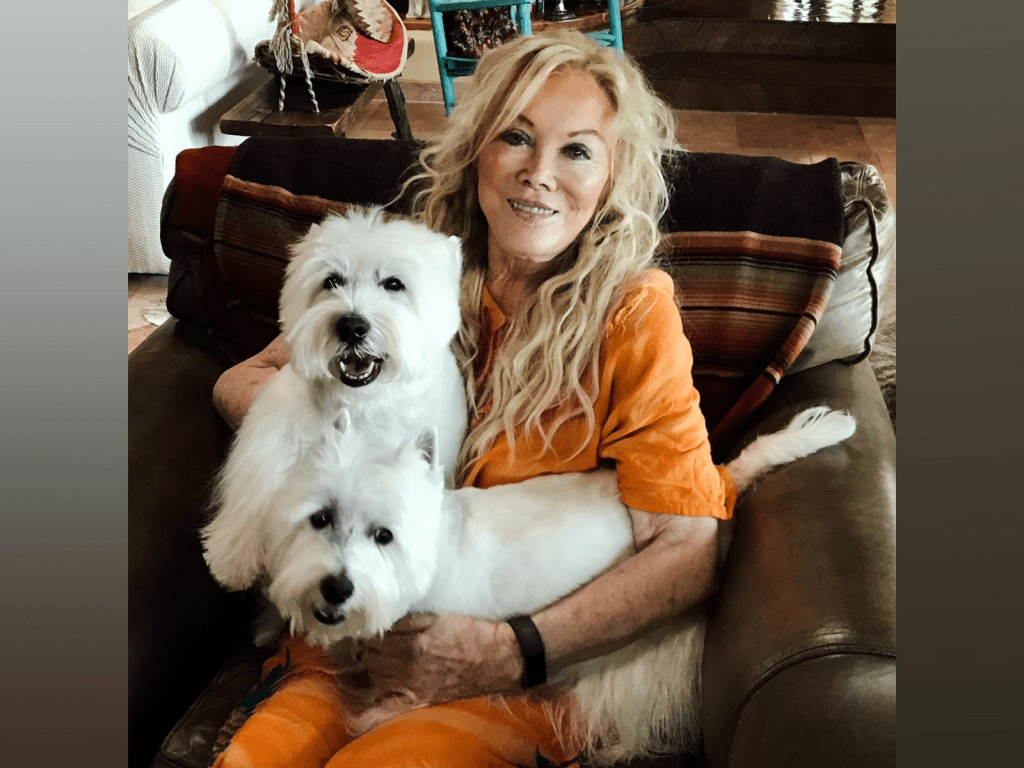
Lynn passed away two years ago, but her legacy lives on. Her daughter, Vanessa, now carries forward her mother’s work, honoring the wisdom that has touched so many lives across the world.

The Teacher I Never Expected to Find

Lynn V. Andrews was a New York Times bestselling author who wrote 21 books chronicling her three decades of study with shaman healers on four continents. Her journey began in the 1970s when she traveled to northern Canada seeking a sacred marriage basket and encountered Agnes Whistling Elk and Ruby Plenty Chiefs, Native American healers who would become her teachers and change the course of her life.

What started as a quest for an artifact became a spiritual awakening, one she shared with the world through her Medicine Woman Series. In books like Medicine Woman, Jaguar Woman, and Star Woman, she chronicled her experiences with the Sisterhood of the Shields, 44 women healers from cultures across the globe, from Panama to Nepal to Australia.

For thousands of years, these women have practiced, guarded, and handed down sacred feminine teachings from shaman to apprentice, mother to daughter. The Sisterhood remained hidden, appointing Lynn as their public messenger.

When I read her books for the first time, I recognized something in them. A truth I’d been searching for without knowing it.

A School Without Walls

In 1993, Lynn founded what she called “The Way of the Wolf,” a four-year Mystery School without walls. She created this program so that people around the world could access these ancient teachings without leaving their homes, without uprooting their lives.

I was one of those students.

When I joined the Mystery School, I thought I was signing up to heal my writer’s block. I had no idea I was about to confront wounds I didn’t even know I carried, wounds from my childhood in Iraq, from the trauma of war, from trying to fit into a culture that didn’t fully understand where I came from.

The school taught me how to see energy. How to heal the blocks within myself. How to remember who I was beneath all the conditioning and fear.

Lynn used to say, “Everyone has indigenousness in them, not just Native Americans.” She believed that ancient wisdom lives in all of us, across every culture and continent. That we are all keepers of Earth and memory. As a Chaldean woman carrying 5,000 years of Mesopotamian heritage, her words gave me permission to honor my own ancestral roots, to see that my story, too, was sacred.

Under the Arizona Sky

When our group arrived at Lynn’s home this fall, I felt her presence everywhere. In the red rocks. In the vast Arizona sky. In the quiet spaces between words.

We gathered under the stars one of the nights. Lying on the earth, looking up at the endless expanse of sky, I felt something shift. The desert has a way of stripping everything unnecessary away. Out there, under those stars, there was no room for pretense. Only truth.

I thought about all the times Lynn had told us: “You are not separate from the Earth. You are her daughter.”

Lying there, I understood what she meant. The land was holding us. The way a mother holds her child.

Vanessa, Lynn’s daughter, now tends to this sacred space, shedding light on the work her mother began, keeping the teachings alive for those who seek them. Watching her honor her mother’s legacy reminded me of the responsibility we all carry to pass on what we’ve learned, whether through books, teachings, or simply the way we live our lives.

With Vanessa, Lynn’s Daughter, During Our Visit to Arizona

Honoring Her Legacy

I’m now creating a documentary about Lynn’s teachings called Indigenous Wisdom: Keepers of the Ancient Ways. Part of it will be filmed at her home, weaving together her voice, her legacy, and the global reach of her message.

Because Lynn’s work was never meant to stay in one place. It was meant to travel, like seeds on the wind, landing wherever hearts were ready to receive it.

The documentary will honor not just Lynn’s journey with Agnes Whistling Elk, Ruby Plenty Chiefs, and the other teachers she wrote about in books like Crystal Woman: Sisters of the Dreamtime and Windhorse Woman, but also the universal truth she taught: that sacred feminine wisdom exists in every culture. That we all carry ancestral knowledge. That healing ourselves heals the world.

What the Journey Taught Me

Visiting Lynn’s home again reminded me of something I often forget in the rush of daily life: sacred spaces hold us, even when we’re not physically there.

The teachings I received in her Mystery School didn’t end when I graduated. They live in me. In how I write. In how I parent. In how I show up in the world.

Over the years, I’ve learned that healing isn’t linear. That we return to the same lessons again and again, each time at a deeper level. That transformation isn’t about becoming someone new. It’s about remembering who we’ve always been.

Standing in the place where Lynn lived, where she prayed, where she gathered women from around the world to remember their power, I felt the full weight of that gift.

For Those Who Are Seeking

If you’re curious about Lynn’s teachings, I encourage you to explore her work. Her books are available both in print and as ebooks, and her school continues to welcome new students.

There are also gatherings held throughout the year, like the Spring Gathering in Michigan, where students and apprentices come together to continue the work.

For me, writing my memoir series Healing Wisdom for a Wounded World was my way of honoring Lynn and sharing what her teachings did for my life. If any part of this resonates with you, I’d love for you to explore that journey with me.

A Final Thought

As I left Arizona, I looked back at the land one last time. The red rocks. The wide sky. The quiet that holds everything.

Lynn used to say, “The Earth is always speaking. We just have to remember how to listen.”

I’m still learning how to listen. But I know now that sacred ground doesn’t just exist in faraway places. It exists wherever we choose to remember. Wherever we choose to return. Wherever we choose to honor what came before us and what will come after.

Thank you, Lynn. For the teachings. For the courage. For showing me and so many others the way home.

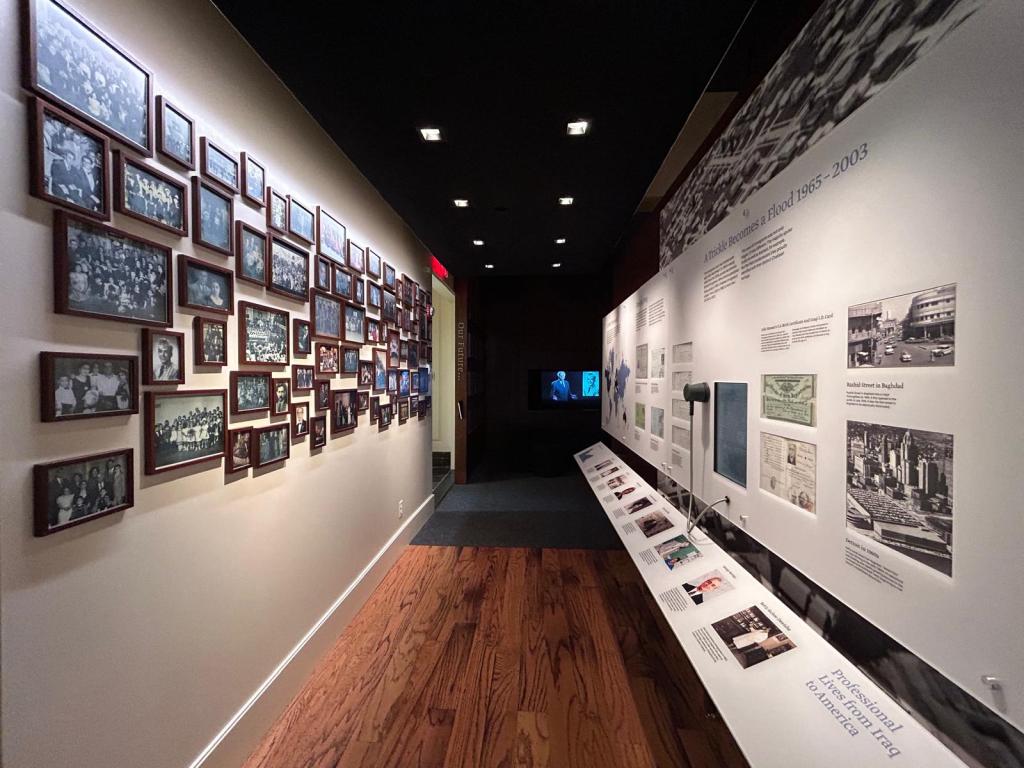
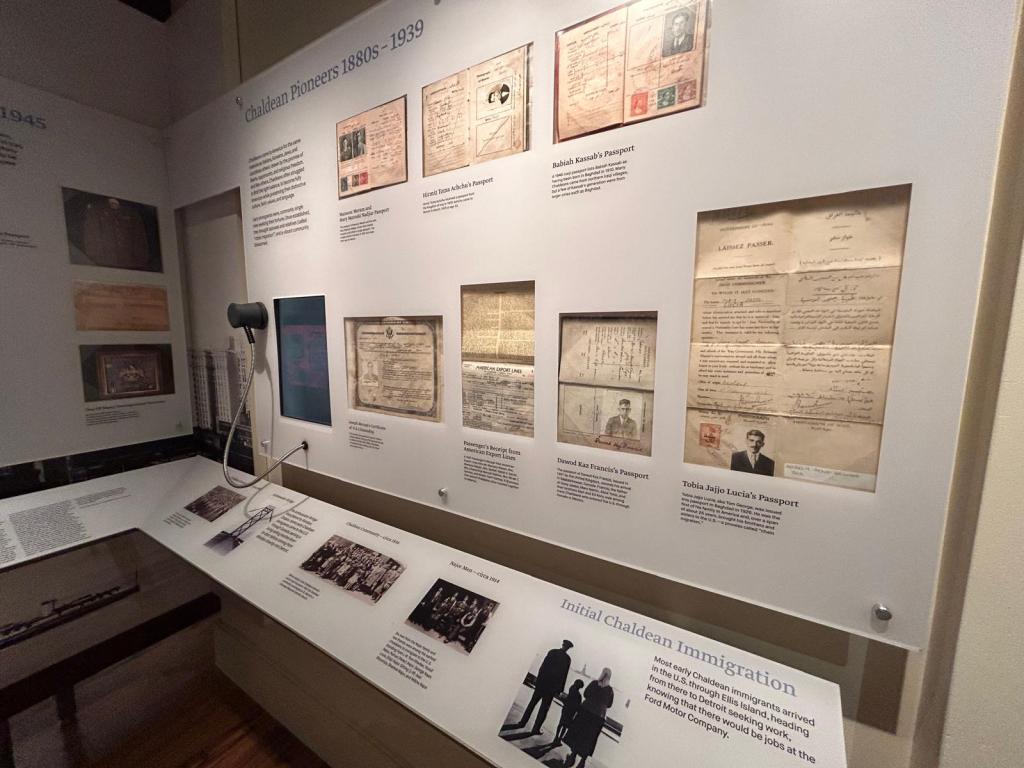
HOW COMMUNITY SHAPED MY CALLING AT THE CHALDEAN MUSEUM

There’s a moment that happens when you step into a role you were meant for. Everything that felt difficult before suddenly makes sense. Everything you struggled to understand becomes clear. It’s not that the work is easy, it’s that it feels right.

That’s what happened when I became the Executive Director of the Chaldean Cultural Center and Museum.

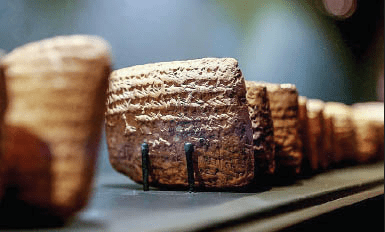
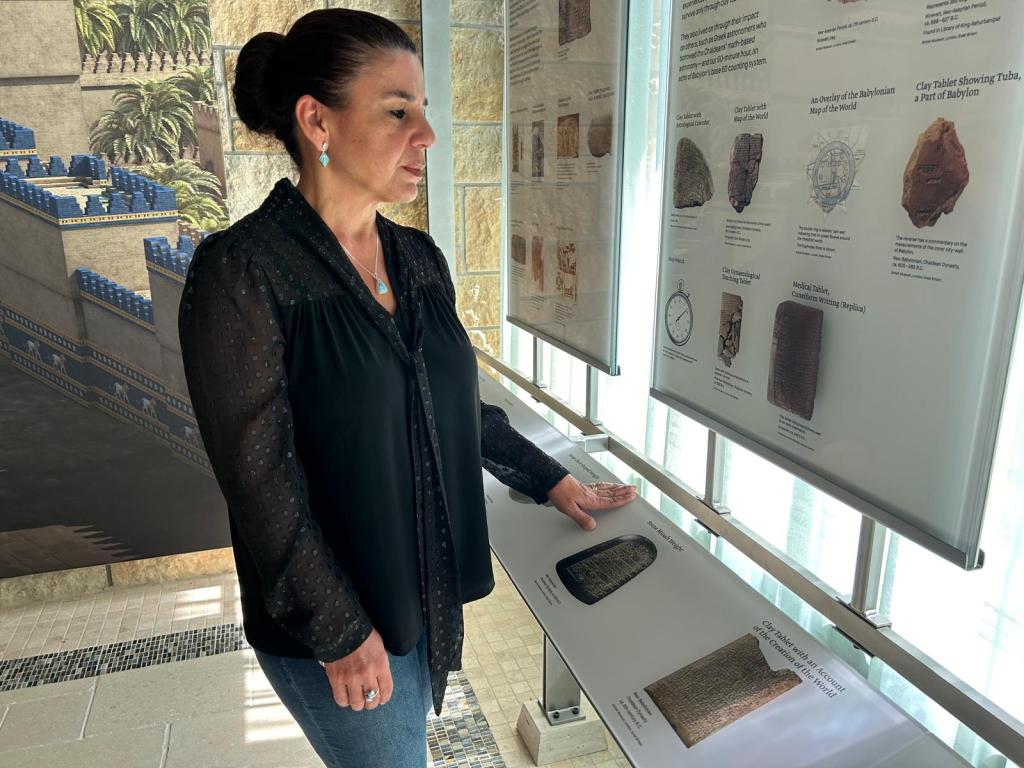
….she opened the entrance door to the museum. Before I reached the threshold, the sound of a mysterious foreign yet familiar music snuck through the doors like a streak of incense. Its pure and holy rhythm transported me to another world, one belonging to the ancients and the underground, where the spirits of my parents and ancestors greeted me, as if to say, โ€œWelcome to our past.โ€ I entered the ancient gallery of the museum, imbued with the colors of copal blue, olive green, and gold that subtly represented that region and its surrounding Tigris and Euphrates Rivers.ย 

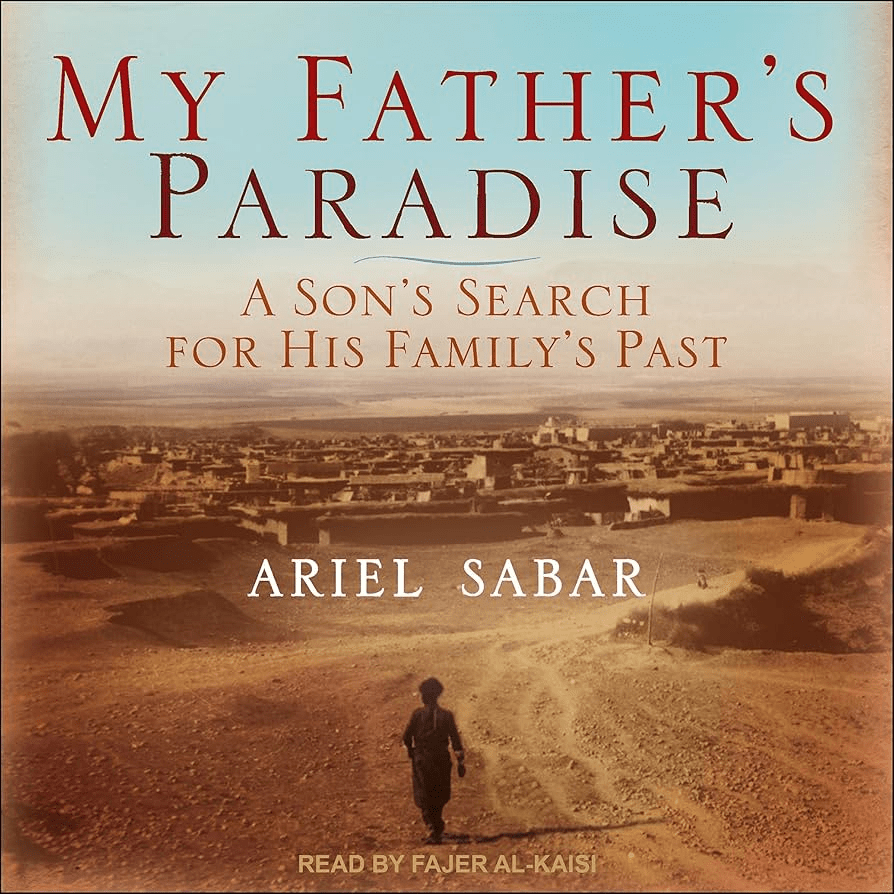
Judy explained that this was the Ancient Gallery, one of five of the museumโ€™s galleries. It focuses on the five main empires that ruled in ancient Mesopotamia: the Sumerian; the Akkadian; the Babylonian; the Assyrian; and the Neo-Babylonian (Chaldean). The Ancient Gallery was a couple hundred feet, whereas the land it represented was about three hundred miles long and about fifteen hundred miles wide. We started with the Sumerians, and I was immediately transported to the stories of the people and places Iโ€™ve been reading about for over a decade, my people, my birthland, which I had heavily researched when writing my thirteenth and most recent book, Mesopotamian Goddesses: Unveiling Your Feminine Power. The book was published just four months prior to my visit to the museum and a month prior to my motherโ€™s death. From that point forward, most of what Judy said and what I heard were two different things. I began to float along spontaneous streams of consciousness, my mind randomly taking me to where it wanted to go. Words Iโ€™d read over in the past suddenly appeared, organized into a partly historical, partly personal description of the Sumerians, who around 3500 BC, moved to the land between the Tigris and Euphrates Rivers in southern Mesopotamia, now called Iraq.ย 

– Chaldean Museum isย Chapter 12

Finding My Place

I’ve written before about my journey to this role, how I trained to be a docent at Cranbrook and struggled, how I served as Vice President of Detroit Working Writers and learned about community building. Each experience prepared me, but it wasn’t until I stepped into the Chaldean Museum that I understood what I’d been preparing for.

This wasn’t just a job. This was my calling.

As a Chaldean woman, I carry the stories of my ancestors in my bones. The ancient Mesopotamians, the Neo-Babylonians, the people who invented the wheel, developed agriculture, and gave us the first recorded writer in history, a princess and priestess named Enheduanna. This is my heritage. These are my people.

And suddenly, I wasn’t just learning someone else’s history. I was preserving my own.

What the Museum Taught Me

Leading the Chaldean Cultural Center and Museum taught me something profound about the relationship between community and personal growth. You can’t separate the two. We don’t grow in isolation. We grow when we’re part of something bigger than ourselves.

The museum became more than a building filled with artifacts. It became a gathering place. A touchstone for Chaldeans in the diaspora who needed to remember where they came from. A bridge between generations, where elders could pass down stories and young people could claim their heritage.

Every program we developed, every exhibit we created, every event we hosted was about community. About bringing people together. About saying, “You belong here. Your story matters. Your culture deserves to be preserved and celebrated.”

The Joy of Preservation

Being Executive Director meant carrying a beautiful responsibility. The Chaldean community has maintained its culture, language, and traditions for over 5,000 years. Our language, Aramaic, is one of the oldest living languages in the world. Our traditions connect us directly to ancient Mesopotamia.

The museum was about honoring that continuity. About celebrating the resilience and beauty of a culture that has thrived across millennia. About making sure that this rich heritage continues to be shared, celebrated, and passed down to future generations.

And I didn’t have to do it alone. That’s what community does. It distributes the joy. It shares the celebration. It says, “We’ll do this together.”

Community members donated artifacts from their families, each piece carrying stories of love and survival. Elders volunteered their time to share wisdom accumulated over lifetimes. Young people showed up eager to learn and connect with their roots. Scholars contributed research. Artists created works that honored our heritage. Everyone brought something to the table.

Leadership Through Service

My ancestors believed in a mindset of service. They saw their gifts and talents not as personal achievements but as tools to serve the greater good. Leading the museum taught me what that really means.

Leadership isn’t about being in charge. It’s about serving the community you lead. It’s about listening more than speaking. It’s about creating space for others to contribute their gifts. It’s about holding the vision steady while allowing others to help shape how that vision comes to life.

Every decision I made as Executive Director, I made with the community in mind. Not “What do I want?” but “What does the community need? What will serve our people best? What will ensure our culture thrives for the next generation?”

That’s what service looks like in practice.

How Community Made Me Grow

When I look back at my time leading the Chaldean Cultural Center, I see how much I grew. Not because I was working hard, though I was. Not because I was talented, though I brought my skills. But because the community lifted me up and helped me become more than I thought I could be.

Community members inspired me with their questions and insights. They offered perspectives that broadened my understanding. They encouraged me to reach for higher standards. They celebrated every victory with me and supported me through every challenge.

I learned to speak publicly with confidence because I was speaking about something that mattered deeply. I learned to advocate passionately because I was advocating for a community I loved. I learned to think strategically because the opportunity to make a difference was so meaningful.

But more than skills, community taught me about identity. About what it means to be Chaldean in America. About the sacred responsibility of carrying forward ancient wisdom in a modern world. About the healing that happens when we reconnect with our roots.

I grew because I was rooted in something larger than myself.

The Circle of Growth

Here’s what I’ve learned about community and growth. They feed each other in a circle that never ends.

Community helps you grow. You become more capable, more confident, more clear about your purpose. And then your growth serves the community. You bring back what you’ve learned. You lift others up. You create space for them to grow too.

And their growth feeds the community. And the community continues to flourish. And the circle goes on.

This is how cultures thrive. This is how movements build. This is how positive change happens. Not through isolated individuals working alone, but through communities of people committed to growing together.

Why This Matters Now

We live in a time when many people are searching for connection and meaning. There’s a growing hunger for authentic community, for spaces where we truly belong.

My time at the Chaldean Museum reminded me that community isn’t just nice to have. It’s essential. We need each other, not just for survival but for thriving, for becoming our fullest selves.

We need spaces where we belong. We need people who share our values. We need communities that call us to be our best selves and celebrate who we’re becoming.

Whether it’s a cultural center, a writers’ organization, a faith community, a neighborhood group, or a circle of friends, find your community. Show up for it. Contribute to it. Let it shape you. Let it inspire you. Let it hold you when you need support and celebrate with you when you reach milestones.

That’s where growth happens. In the fertile soil of community.

Gratitude for the Journey

I’m grateful for my time leading the Chaldean Cultural Center and Museum. Grateful for the community that trusted me with their stories. Grateful for the elders who shared their wisdom with such generosity. Grateful for the young people who showed up hungry to learn and eager to connect. Grateful for the board members, volunteers, donors, and supporters who believed in the mission and made everything possible.

That experience transformed me. It taught me who I am and what I’m capable of. It connected me to my ancestors and to my purpose. It showed me what’s possible when people come together in service of something sacred.

And it reminded me that we don’t grow alone. We grow in community. Always.

125 YEARS OF DETROIT WORKING WRITERS – THE POWER OF WOMEN UNITED

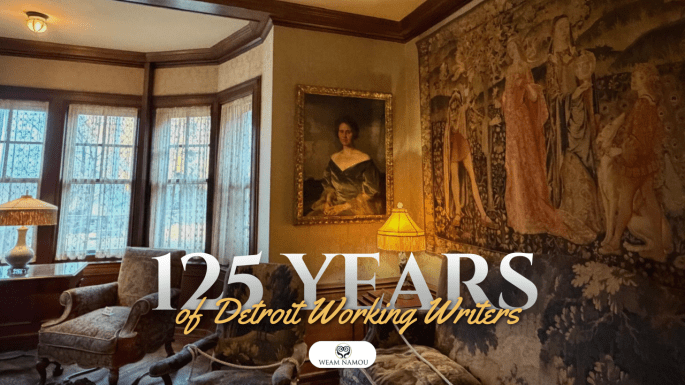
Earlier this week, I attended a celebration that reminded me why community matters. Detroit Working Writers turned 125 years old, and the anniversary event was held at the beautiful Cranbrook House and Gardens.

[The DWW 125 anniversary was at Cranbrook House and Gardens]

I served as Vice President of DWW from 2017 to 2019, and being back among this community of writers felt like coming home. The evening was filled with readings, conversations, and reflections on what this organization has meant to so many writers over more than a century.

I loved hearing once again how it all began. 

13 Women Who Refused to Wait

Detroit Working Writers was founded in 1900 by 13 professional women writers. Thirteen women who saw a need and decided to fill it. Thirteen women who refused to accept the limitations placed on them simply because of their gender.

What they created became the oldest continuously operating writers’ organization in Michigan. Think about that. 125 years of unbroken support for writers. Through two world wars, the Great Depression, social upheavals, technological revolutions, and a global pandemic. This organization has never stopped showing up for writers.

During the event, I learned something that shocked me. In the 1970s, not that long ago at all, women attending certain professional events and newspaper gatherings couldn’t enter through the main door. They had to use a separate entrance. A side door. As if their presence needed to be hidden or minimized.

Can you imagine? The 1970s. Many of us were alive then. Our mothers, our aunts, our older sisters were navigating a world that literally made them use different doors.

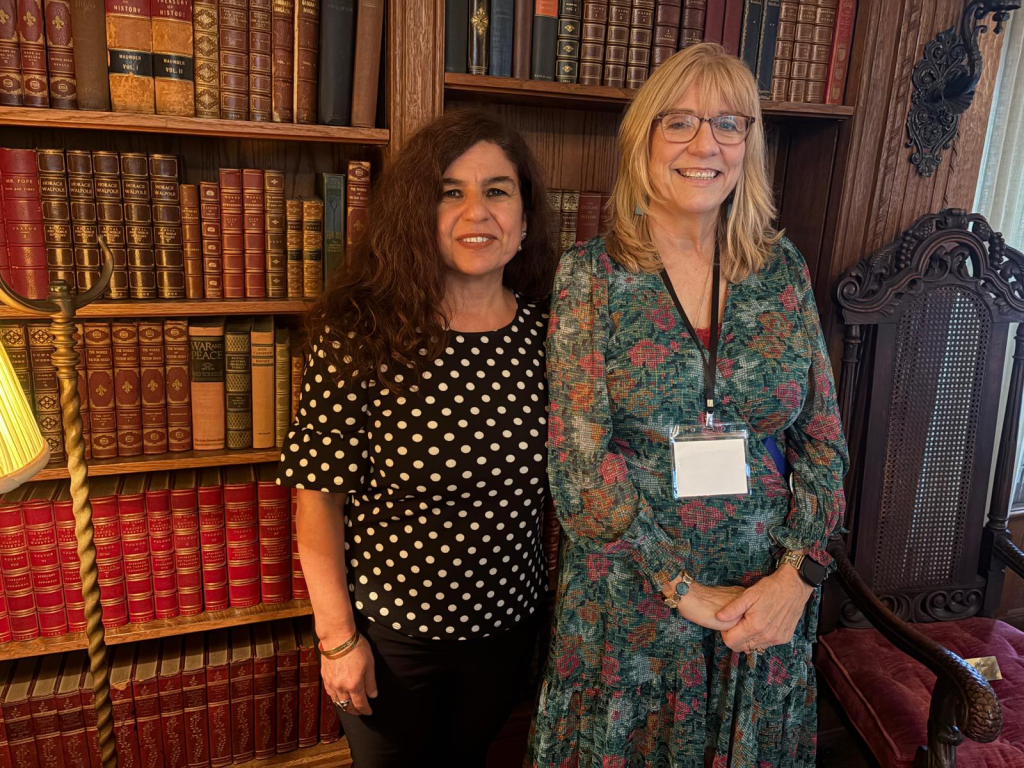
[With DWW President Laura Hedgecock]

These 13 founding women faced even more restrictions when they started DWW. But they moved forward anyway. They created something that has now lasted 125 years. They built a space where women writers could gather for mutual support and professional development, where voices could be heard and work could be celebrated.

That’s the power of community. That’s the power of women who refuse to be stopped.

What DWW Offers Writers

Over the decades, Detroit Working Writers has provided so much more than just meetings. Monthly gatherings feature readings, critiques, and workshops. The organization has hosted annual contests and awards, published anthologies of members’ work, and offered scholarships for aspiring writers. Guest speakers from the publishing industry share insights. Networking opportunities open doors.

But beyond all the programs and structure, what DWW really offers is something simpler and more profound. It offers belonging.

Throughout the evening, writer after writer shared how being part of Detroit Working Writers helped them grow. How the community gave them courage to keep going when rejection letters piled up. How feedback from other members sharpened their craft. How knowing they weren’t alone in this solitary profession made all the difference.I felt the same way during my time as Vice President.

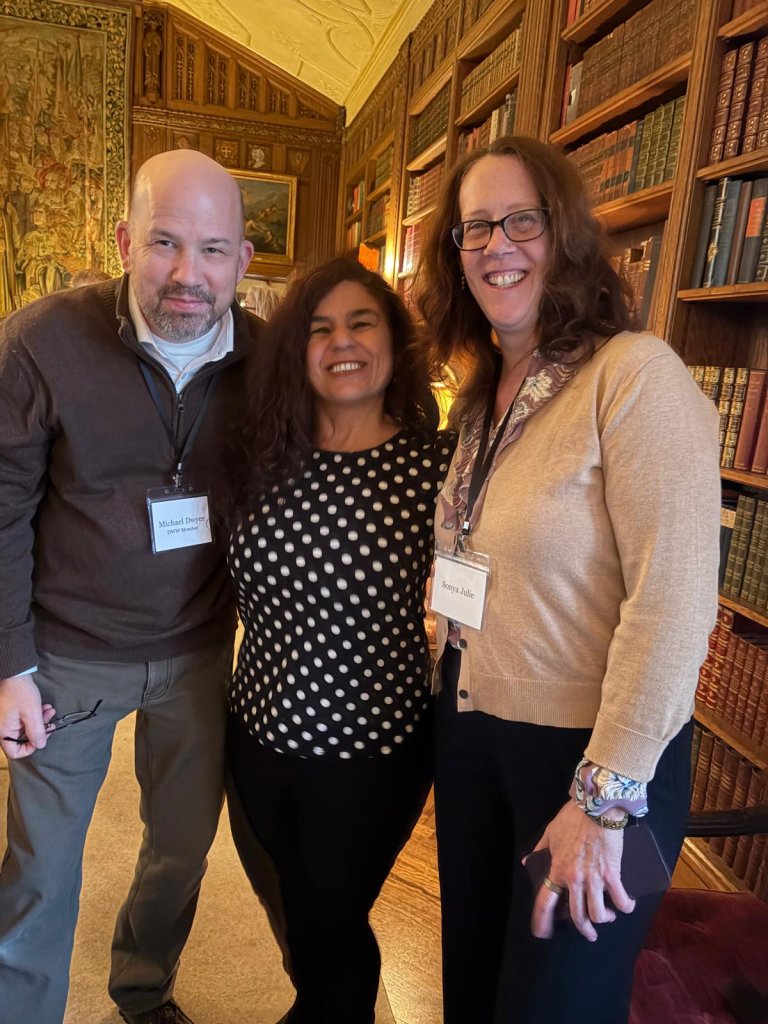
[DWW member Michael Dwyer and Sonya Julie]

Writing can be lonely. You sit alone with your thoughts, your words, your doubts. You face rejection alone. You struggle through blocks and dry spells alone. But when you’re part of a community like DWW, you’re not really alone. You have people who understand, who’ve been there, who believe in you even when you don’t believe in yourself.

That’s what these 13 women created. Not just an organization, but a lifeline for writers who needed to know they belonged somewhere.

My DWW Journey

My time with Detroit Working Writers was formative. It taught me about leadership, about showing up consistently, about the work it takes to keep a community thriving. It connected me with writers whose passion and dedication inspired me to keep pushing forward with my own work.

[With Linda K Sienkiewicz]

Being part of DWW also prepared me for what came next in my journey. Shortly after my time as Vice President, I became the Executive Director of the Chaldean Cultural Center and Museum. The skills I developed at DWW, the understanding of what it means to preserve history and build community, all of that came with me.

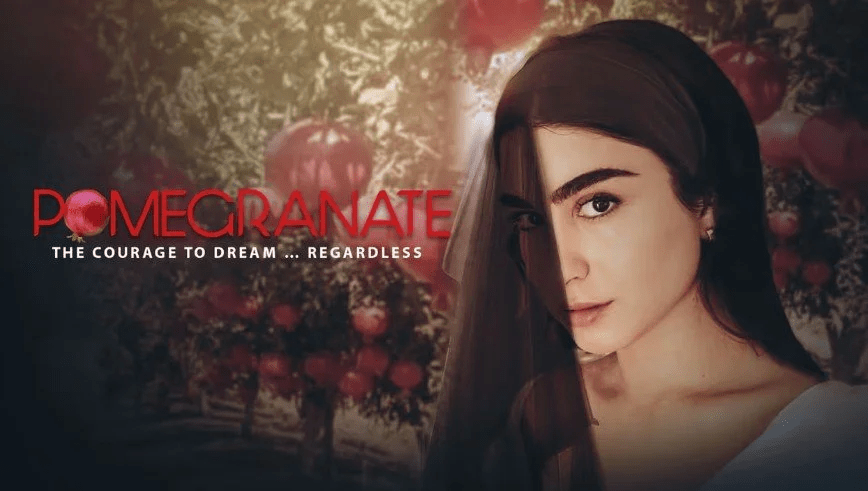
And the creative work continued too. My film Pomegranate, which journalist Gina Joseph beautifully described as “Little Baghdad meets My Big Fat Greek Wedding,” was born from the same commitment to storytelling and community that I learned at DWW. The same belief that our stories matter, that they deserve to be told with care and authenticity.

Nothing is ever wasted. Every community we’re part of teaches us something. Every role we step into prepares us for the next one.

The Thread That Connects Us All

What those 13 women understood in 1900 is what we still need to understand today. We’re stronger together. We go further together. We create lasting change together.

One woman with a dream is powerful. Thirteen women with a shared vision? Unstoppable.

And 125 years later, their vision is still alive. Still supporting writers through monthly meetings and annual celebrations. Still giving members a platform. Still nurturing the next generation of storytellers. Still opening doors, the main ones this time, for anyone who needs a community of people who understand what it means to put words on a page and send them out into the world.

What This Means for All of Us

You don’t have to be a writer to understand the lesson here. Whatever your calling, whatever your passion, whatever you’re trying to build or create or accomplish, you need community.

You need people who believe in what you’re doing. You need people who’ve walked the path before you and can show you the way. You need people who are walking alongside you right now, facing the same struggles, celebrating the same victories.

Don’t try to do it alone. Don’t think you have to prove you can make it without help. The strongest people I know are the ones who let themselves be supported, who show up for community, who give and receive in equal measure.

Gratitude

Standing in that room at Cranbrook, surrounded by writers who are carrying forward what those 13 women started, I felt deeply grateful.

Grateful for the founders who had the courage to begin. Grateful for every president, every board member, every volunteer who kept it going through 125 years of change and challenge. Grateful for the writers who show up month after month, who share their work, who support each other through rejection and triumph alike.

And grateful for my own time as part of this community. It shaped me. It prepared me. It reminded me that we don’t get where we’re going alone.

Here’s to 125 years of Detroit Working Writers, the oldest continuously operating writers’ organization in Michigan. Here’s to the 13 women who started it all. Here’s to every writer who’s been part of this community and every writer who will join in the years to come.

And here’s to the power of women united. When we come together, when we refuse to be limited, when we build something lasting, we change the world.

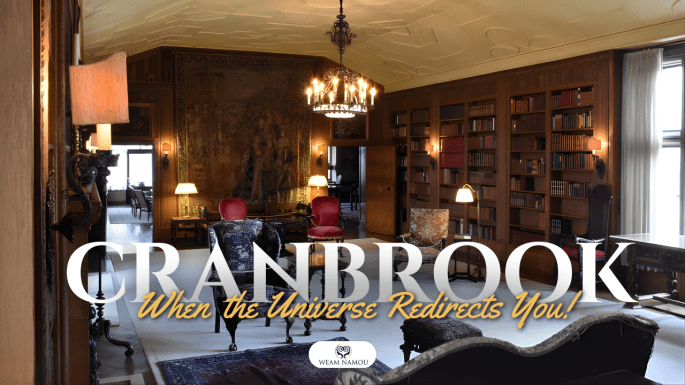
CRANBROOK – WHEN THE UNIVERSE REDIRECTS YOU

This week, I found myself back at Cranbrook House and Gardens for the 125th anniversary celebration of Detroit Working Writers. Walking through those familiar rooms stirred up memories I hadn’t thought about in years.

Cranbrook holds a special place in my story, though not in the way I originally imagined. Years ago, I trained to become a docent there. I was drawn to the estate’s beauty, the carefully preserved history, the stories embedded in every room. I thought this was where I was meant to be.

But the universe had other plans.

When Things Don’t Click

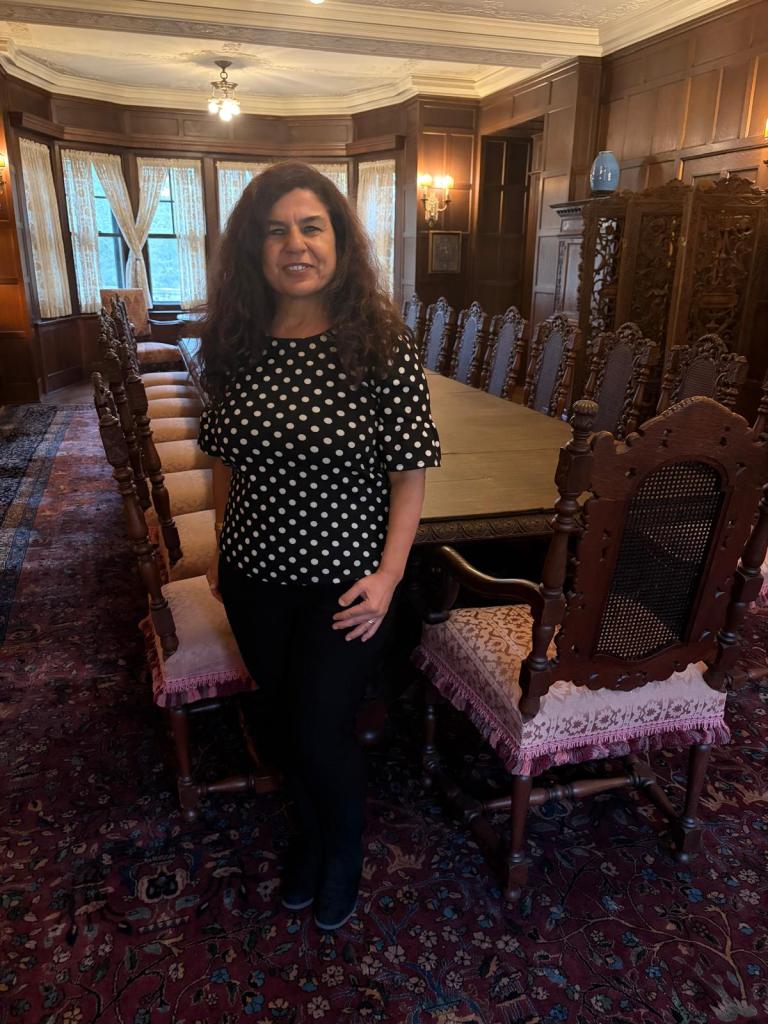
During the docent training, we were each assigned a room to memorize. Every week, we’d practice presenting as if we were actual docents, working toward that official role. I remember standing in the dining room, trying to absorb every detail, every story, every piece of furniture.

Here’s what I wrote about that experience in Little Baghdad, Chapter 17:

“As I envisioned the meals that took place around the dining table, I heard the docent explain that we were each assigned a script with a room to memorize for the next meeting. Each week, we’d play docent as a means to attaining true docent status. Fear crept in. I don’t retain information very well unless the topic truly matters to me. Otherwise, I tend to freeze. And lo and behold, that was exactly what happened when I stood there in the center of puzzled looks from the rest of the docents-in-training, unable to recall anything about the dining room except that the maid spilt soup on one of the sons and Mrs. Booth’s silverware had ‘Nelly’ etched on the reverse of each of the pieces, the name that her family called her. This reminded me of Nelly Olson in Little House on the Prairie.

That night, walking to my car in the cold quiet winter night, I reflected on the house. โ€ฆ By the time my feet reached my car, I’d made up my mind. I can’t do this.”

I felt embarrassed. Disappointed in myself. I’m usually good at retaining information, at learning new things. Why was this so hard? What was wrong with me?

I never became a docent at Cranbrook.

Then Everything Changed

Not long after that experience, I became the Executive Director of the Chaldean Cultural Center and Museum.

And suddenly, everything that had been difficult at Cranbrook became effortless.

The history of my people, the artifacts, the stories of ancient Mesopotamia, the journey of the Chaldean community. I absorbed it all naturally. I could speak about our culture, our contributions to civilization, our struggles and triumphs without needing to memorize scripts. It just flowed.

This wasn’t about capability or intelligence. It was about calling.

The Spiritual Lesson

When I talk about spirituality, this is what I mean. It’s not always about rituals or meditation, though those have their place. Sometimes spirituality shows up in the simple recognition of where you belong versus where you’re trying to force yourself to fit.

At Cranbrook, I was pushing. At the Chaldean Museum, I was flowing.

That’s the difference between being in alignment and being out of alignment. Your body knows. Your spirit knows. Even when your mind is still trying to convince you that you should make it work.

The struggle I experienced at Cranbrook wasn’t failure. It was guidance. The universe was redirecting me, saying, “Not this path. Keep looking. Your purpose is waiting somewhere else.”

Nothing is Wasted

Looking back now, I see how that experience prepared me in ways I didn’t understand at the time. The docent training taught me about preservation, about honoring history, about the importance of telling stories with care and accuracy.

I used all of that at the Chaldean Museum. I just used it for my own people, my own culture, my own calling.

Nothing is ever wasted. Every detour teaches us something. Every closed door points us toward the one that’s meant to open.

Coming Full Circle

Standing in Cranbrook House this week, years after that difficult realization in the cold parking lot, I felt grateful. Grateful that I listened to that inner voice telling me I didn’t belong there. Grateful that I didn’t force myself to keep going just to prove I could do it.

If I had become a Cranbrook docent, I might never have stepped fully into my role at the Chaldean Cultural Center. I might never have dedicated myself so completely to preserving and sharing the stories of my ancestors.

Sometimes the things that don’t work out are the biggest blessings.

A Message for You

If you’re struggling right now in a place where you thought you belonged, pay attention. Not all struggle is meant to be pushed through. Some struggle is a message.

Ask yourself: Am I struggling because I’m growing, or am I struggling because I’m in the wrong place?

Growth struggle feels hard but purposeful. Misalignment struggle feels hard and hollow.

Trust that inner knowing. Trust that if something isn’t clicking, maybe it’s because something better is waiting. Something that will feel like coming home instead of trying to belong.

Your calling isn’t something you have to force. When you find it, you’ll know. Not because it’s easy, but because even when it’s hard, it feels right.

The universe is always guiding us. Sometimes through open doors. Sometimes through closed ones.

Both are blessings.

Chaldean – Kabbalah Connection

Good autumn morning,

I’m watching the tree leaves and metal chimes dance to the wind as I sit at my computer and begin my next book. My children are off to school, my husband is at work, and my dog is still sleeping. The house is quiet, and the tea is hot. I normally drink coffee but I’ve got a sore throat that needs some healing.

It has been a while since I wrote in my blog, and I miss it. It’s wonderful to be busy with wonderful things, but it can also be exhausting. So, I will try to slow down and spend more time writing in my blog as I listen to the leaves and metal chimes dance to the wind.

I’m remembering my teacher, Lynn V. Andrews, who passed away in 2022, and how her spirit recently interacted with me. Someone from Lynn’s four-year Mystery School reached out to me about participating in a summit called “From Silence to Mastery” which takes from November 14 to 20 (the information for this free event is below)

The summit is led by Daniel Rosenstein, a life-coach and healer. When I met with him, I learned that his Jewish mother was born in Baghdad and had to leave Iraq during the 1948 forced deportation. I was born in Baghdad, and we had to leave the country in 1980 for political and religious reasons. Daniel and I quickly realized that Divine Providence had brought us together.

Daniel had learned about the Chaldeans from Kabbalism. For instance, Chaldean and Kabbalistic numerology are ancient systems of divination and self-exploration that offer profound insights and the potential to reveal hidden truths about ourselves and the universe.

Noblewoman Helena Petrovna Blavatsky, in her โ€œTheosophical Glossaryโ€ entry for โ€œKabalistโ€ explains that Kabala is an unwritten or oral tradition and that the kabalist is a student of “secret science,” identical with that of the Chaldeans, and includes at the same time much of the Persian wisdom, or โ€œmagicโ€ . . . Some show it as coming from the Biblical Patriarchs, Abraham, and even Seth; others from Egypt, others again from Chaldea.โ€

In โ€œThe Secret Doctrine Dialoguesโ€ (p. 498) she says โ€œIn the Chaldean Kabbalah, in the Book of Numbers, you have the wisdom of the Hebrew initiates . . . The Chaldean Kabbalah, moreover, the Book of Numbers, agrees perfectly with the eastern arrangement, and disagrees with the present orthodox Kabbalah in its diagrams. . . . I had a rabbi who had the real Book of Numbers โ€“ and there is another; I have only seen two in my life, and I donโ€™t think there exist more. He had fragments of the Chaldean Kabbalah.โ€

“We have asked of the secret doctrines of the Chaldeans, of the Egyptians, of the Hebrews, the secrets of the transfiguration of dogmas.” In his ” Histoire de la Magie,” p. 5, Eliphas Levi writes also : ” The key of knowledge has been abandoned to children, and as was to be expected, this key is mislaid and as good as lost.”

Daniel and I talked about the Tree of Life, its powerful symbol found in various religious, philosophical, and cultural traditions, and how we’re all from the same source, but use different terms to describe the same thing; ie, Energy, God, Universe, Spirit. People demonize what they don’t understand and spend so much time arguing and fighting about things when we’re all from the same Source.

Please use this link to register for From Silenced toย Self-Mastery” Virtual Summit:ย Click here to Register for the Free Summit

You can catch my Interview on November 14th.

From Silence to Self-Mastery Summit, happening from November 14th to November 20th. This event is a unique opportunity to dive deep into powerful insights, tools, and strategies from some incredible experts to help you unlock your true potential and embrace self-mastery.

Each day of the summit, youโ€™ll receive access to 4 new video interviews featuring inspiring speakers, each sharing their transformative journeys and personal tools for growth. And each speaker is offering a special free gift exclusively for summit attendees!

Watch Pomegranate Online Sunday – La Femme Independent Film Festival (Paris, France)

Pomegranate was chosen as an Official Selection by La Femme Independent Film Festival (Paris, France). At 7 pm PDT, they will screen it worldwide (online) on Sunday, August 20 at 7 pm PST. Viewers vote for films they like most and the winner is then screened in person in Paris, France later this year.

Click here for tickets: https://filmfreeway.com/LaFemmeIndependentFilmFestival/tickets?welcome=true

Their trusted platformย Magicaย Cinรฉmathรจqueย  is an international platform and art house for the independent films based in London, Paris and Hollywood. Their audiences from all over the world, ” Europe, USA, Canada, Australia, India, China, Japan, Korea, and MENA

To date, the film has had the following awards / selections (of course, we all know there’s more to come โ˜บโค

* New York International Women Festival – Winner of all Categories for Best Feature Film Directed by a Woman

* Luleรฅ International Film Festival (Sweden) (Winner – will screen in December)

* Birsamunda International Film Awards (India)- Winner for Best Actress – Sam Rahmani

* Birsamunda International Film Awards (India) – Winner for Best Feature Film on Women

*San Diego International Film Awards (Semi-Finalist)

* San Jose Independent Film Festival (Semi-Finalist)

* La Femme Independent Film Festival (Paris, France) (Official selection)

* Castle Film & Media Award (Rome, Italy) (Official Selection)

Indigenous Wisdom of the Chaldeans

The echoes of my ancestors reside in the silence of the early mornings and nights, telling me to keep telling our stories, to bring to life what was buried from thousands of years ago, and to share what’s new and being planted for the future. I listen and oblige even when I’m uncertain whether this really matters. I simply oblige as I have surrendered myself the process, a process which every day introduces me to a new part of my history as I use my skills and talents to serve.

The journey has led to meeting friends around the world, who have shared with me a wealth of knowledge, including the history of Diodorus Siculus, a Greek Historian and Scholar who wrote about the Chaldeans.

The older I grow, the more I realize the importance of honoring and documenting our stories, which similarly like many ancient ethnic groups, have much wisdom that everyone can learn and benefit from. The stories I write are not about Chaldeans, but the human spirit, as was expressed by these reviewers for “Little Baghdad: an Endangered People in an American City.”

These are some of the reviews expressed by Chaldeans and non-Chaldeans alike.

โ€œThis beautiful and enriching book integrates Weamโ€™s life into an arc which is worth reading as she navigates life from a youngster in Iraq, immigration to USA, family and individual growth with a diverse community that surrounds her. Weaved into the stories are journeys of various groups, such as Native Indians, and their long-forgotten life along with traditions that have changed with each generation. My favorite things about the book are the human thoughts, the written and silenced words, and the different emotions that come to life in unique situations.โ€   Asmaa Jamil, co-author of Kingdom of Treasures series and a screenplay writer

โ€œLittle Baghdad is a must-read! Weam takes her reader on a rare journey that embraces Namouโ€™s historical roots that go back to the formations of the first recorded cities over 7,000 years ago to the complexities of modern day urban life. Along the way, she shares the most important aspects of society to preserve and how to do so.โ€ Roy Gessford, Author, Preserving the Chaldean Aramaic Language and Founder, Let in the Light Publishing
Click HERE to purchase Little Baghdad!

Every month, I interview remarkable individuals on a weekly basis for the Virtual Discussion Series in partnership with Unique Voices in Films, the Chaldean Cultural Center, CMN TV and U of M [Detroit Center].

Upcoming Interviews for This Month

Check out my YouTube channel where you can watch the interviews live and subscribe. Be sure to set reminders/alerts so you can stay updated on Live and uploaded content.

You can also now find me on Tik Tok, where Iโ€™m letting loose and sharing morsels of my life.

When Women Ruled in the Middle East

Although weโ€™ve been led to believe otherwise, women in ancient Mesopotamia had more rights and independence than women in those regions have today. They contributed to building the cradle of civilization and, unlike in modern eras, they were revered. As a result their lands flourished. 

The shift away from, and the attempt to destroy, feminine consciousness has caused so much pain and suffering for the people in my birth country of Iraq.  It has led to the gradual and systematic demise of my ancestors. During  my younger years, I experienced much trauma in that land where the principal hit me for skipping Saddam’s parade and  not knowing the answer to a question. We lived in constant fear. In contrast, in the United States I was coddled and supported by teachers and mentors so that I could follow my dreams, even though many of them had the โ€œwhite skinโ€ that is often criticized for having privileges that others do not.  As a result, I became an author, filmmaker, and have held many prestigious positions, which I go more in depth with in this article: https://voyagemichigan.com/interview/meet-weam-namou-of-sterling-heights/

Through a lot of healing work, Iโ€™ve gotten past the traumas but every once in a while something happens that brings the pain to surface once again. The recent tragic loss of a 22-year-old Iranian woman Mahsa Amini is one such incident. On September 16, Mahsa was arrested by the morality police for not wearing her hijab correctly. She died in the hospital in Tehran, Iran, due to police brutality according to witnesses. Her death has resulted in a series of large-scale protests across the country, putting a focus on violence against women in the Islamic Republic of Iran.  On October 1st, demonstrations were held worldwide in 130 cities to show solidarity with the women and men protesting in Iran, many who have lost their lives. 

The idea that women today have to risk and lose their lives for basic human rights hurts my heart. I think about their struggles, the people we left behind in Iraq, like my childhood best friend, Niran, who I wasnโ€™t able to say goodbye to because we fled in secrecy. I once asked my mom if sheโ€™d heard any news about Niran and her family and she said that Saddam forced them out of their home because of their Iranian roots. I often think about her and wonder where she ended up. 

From left to right: My friend Maysa in white, myself in red, and my friend, Niran, in blue

I watch the news and see women rising up, fighting for their freedom, while a broadcaster like Mehdi Hasan, host on MSNBC and NBC, says that we should stand with Iranian women protesting for their freedom, but emphasizes the hijab is a choice. He claims that โ€œeveryone wants to push their own agenda right now, their own hobby horse, while Iranian women risk their lives in the streetsโ€ฆโ€

My heart continues to weep for that land because it feels to me that the majority of its population continues to be in denial. My book event for Pomegranate was canceled last year because the Muslim community was against the storyline; a Muslim woman wanting to remove her hijab. They even refused to read the book. This happened here in the United States, 11 days before the Taliban captured Kabul. 

The Pomegranate film is led by women talent who represent the communities  in the story.  It was nurtured by well known figures in the film industry, including Scott Rosentfelt, the producer of Home Alone. The cancellation was the result of a fear to offend a highly conservative group that is not even supported by the majority of its own community.  It was the result of fearing the beauty and strength that women possess, which is a blessing, as well as their spiritual essence. 

Now more than ever, it’s important for the world to learn about the contributions and stories of women in Ancient Mesopotamia. In doing so, you will help heal old wounds and create a more harmonious way of life. You can learn about these women by reading the book Mesopotamian Goddesses. Then blast their names everywhere and teach young children about their amazing contributions to society! https://www.amazon.com/Mesopotamian-Goddesses-Unveiling-Feminine-Power/dp/1945371803/ref=sr_1_4?crid=9S4X11LV7JRJ&keywords=Weam+Namou&qid=1664815327&qu=eyJxc2MiOiIyLjQ4IiwicXNhIjoiMi40MSIsInFzcCI6IjEuNTkifQ%3D%3D&sprefix=weam+namou%2Caps%2C86&sr=8-4

Artwork circulating the Internet of Mahsa Amini

Every month, I interview remarkable individuals on a weekly basis for the Virtual Discussion Series in partnership with Unique Voices in Films, the Chaldean Cultural Center, CMN TV and U of M [Detroit Center].

Check out my YouTube channel where you can watch the interviews live and subscribe. Be sure to set reminders/alerts so you can stay updated on Live and uploaded content.

You can also now find me on Tik Tok, where Iโ€™m letting loose and sharing morsels of my life.


Interview with khalil murrell, poet

khalil murrell grew up in Camden, NJ, wedged between a meat factory, Walt Whitman’s house and the county jail. He has an MFA from Sarah Lawrence College and ran programs for the Dodge Poetry Festival & Program for many years. He now works in educational leadership, and writes poetry and essays on race, racism and masculinity. khalil currently lives in Newark, where he’s improving his Spanish and dreams of South America.