Reconnect with Nature: Chaldean Insights for Today

This article, written by me, was first published by Words of the Earth as “Adopt a Mindset of Service” on May 15, 2025: Link to the original article.

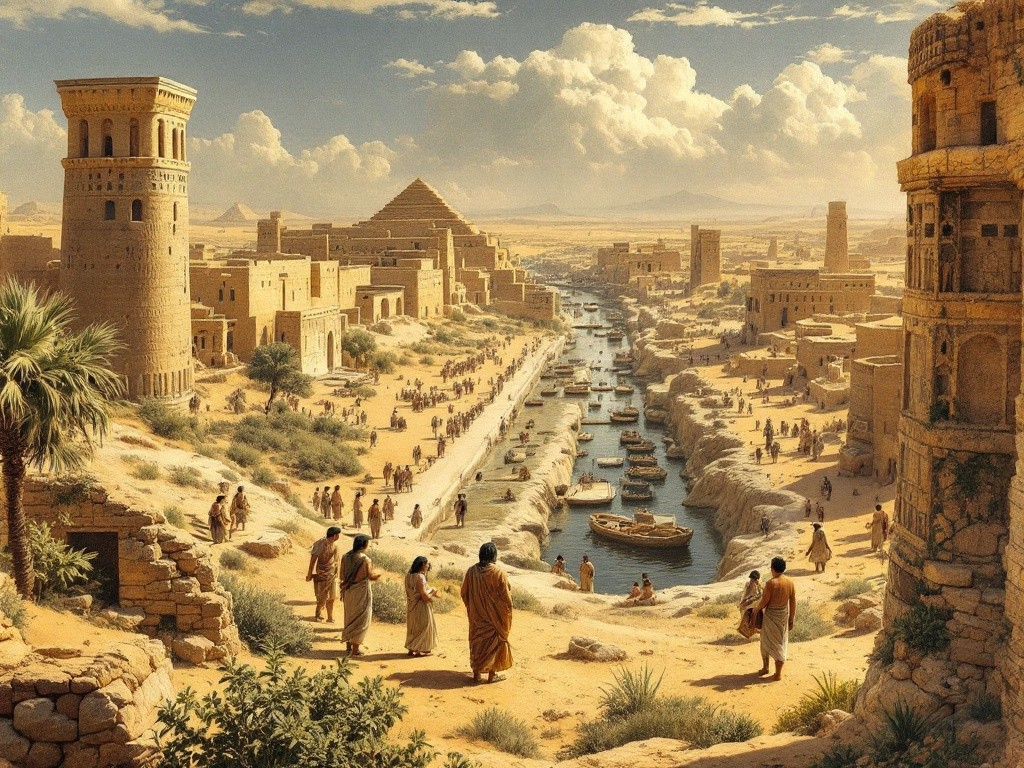
As a Chaldean, or Neo-Babylonian, I am inspired by my ancestors, who made extraordinary contributions to civilization. From inventing the wheel and developing agriculture to recording the first writer in history–a princess and priestess named Enheduanna–Chaldeans laid the foundations of human progress. They were astronomers who studied the stars to understand their place in the universe and believed in using their gifts in service to others. This ethos of service and ingenuity offers valuable guidance for living sustainably today.
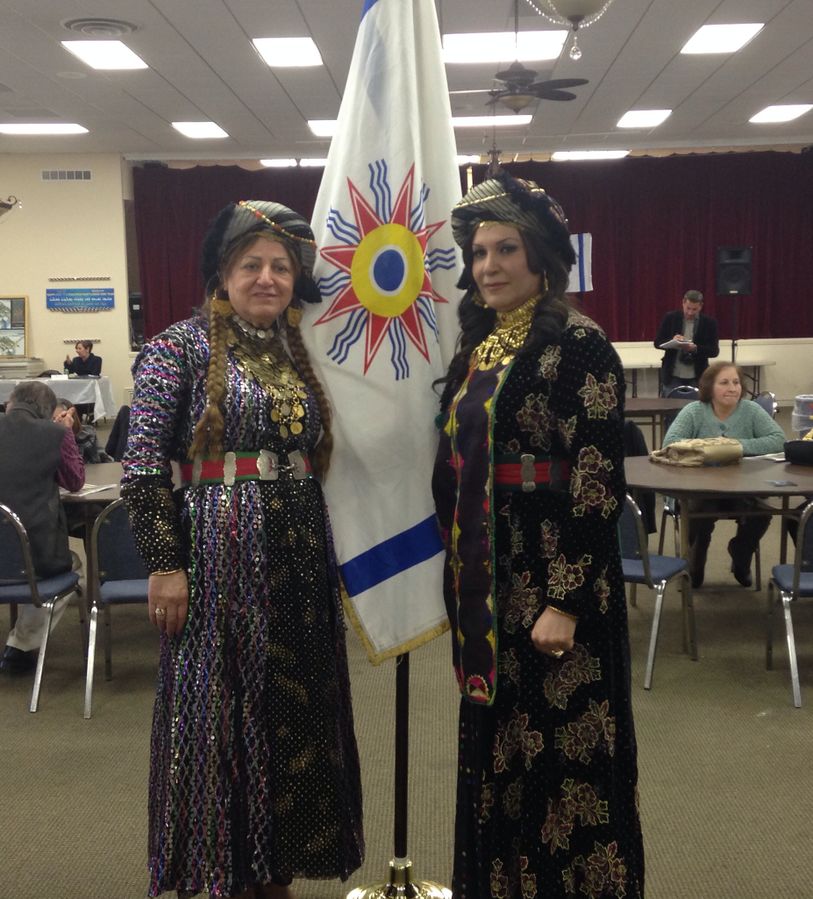
I took a picture of these women during an Akitu Festival at St. Joseph Chaldean Church

Like Native Americans, Chaldeans had a deep respect for nature and understood the interconnectedness of all life. They lived in harmony with the Earth, recognizing that survival depended on balance and reciprocity. Their world also fostered a greater balance between male and female energies, with men and women working together for the higher good. Revisiting these ancient values, alongside modern methods, can teach us how to live more sustainably. Here’s how their wisdom, and my own experiences, influence my approach to sustainability:

Adopt a Mindset of Service: My ancestors saw service as a fundamental duty, believing every action impacts the greater whole. Sustainability begins with this mindset–reducing waste, conserving resources, and contributing to the planet’s well-being.

Reconnect with Nature: As agricultural pioneers, they understood the importance of working with the land. Planting gardens, supporting local farmers, and eating seasonally are simple ways to honor this connection while reducing our footprint.
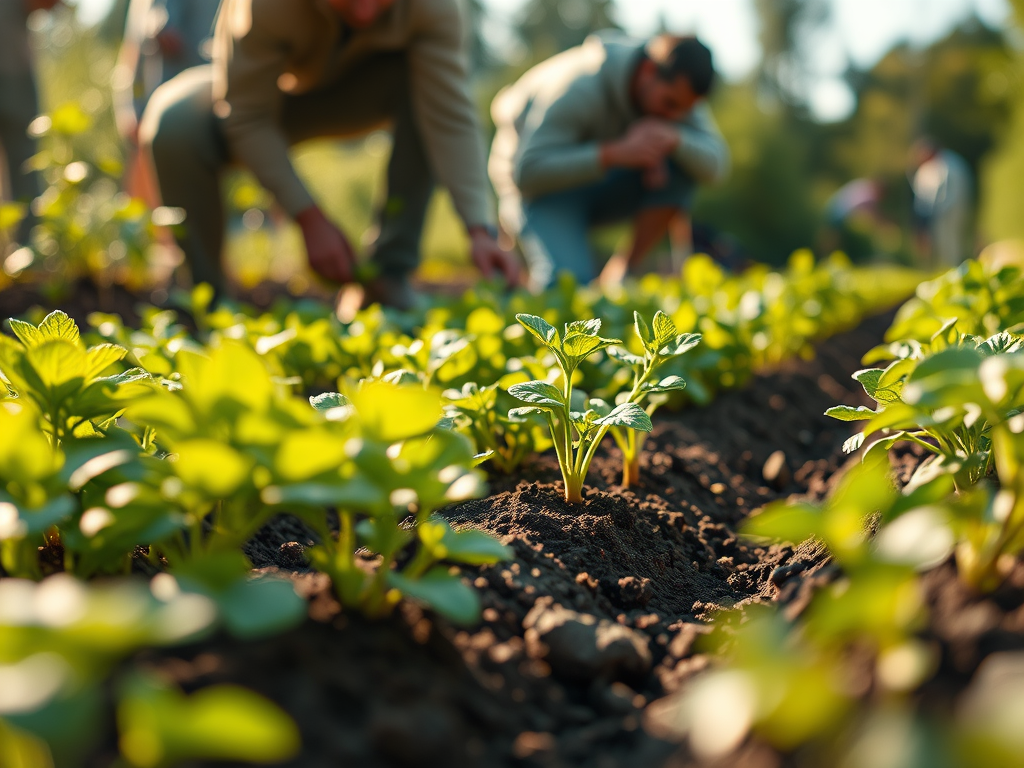
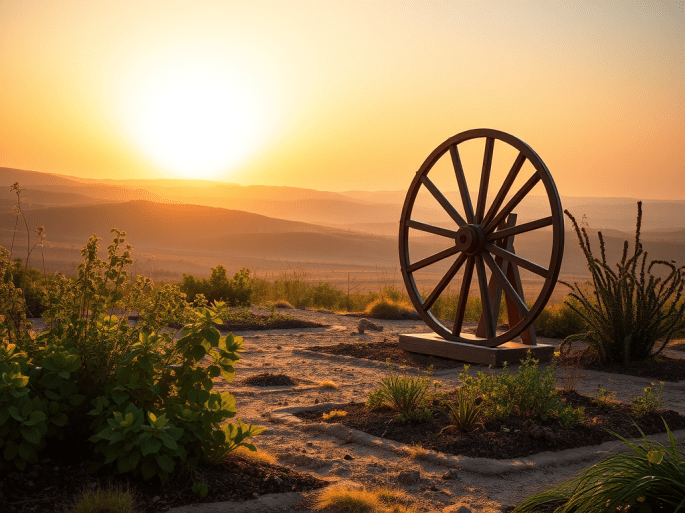
Innovate Simply: Mesopotamians invented tools like the wheel and irrigation systems. Today, we can prioritize energy-efficient solutions, reduce consumption, and creatively repurpose resources–practices that blend innovation and simplicity.

Embrace Interconnectedness: Astronomers by nature, my ancestors viewed the universe as an interconnected whole. Likewise, sustainability requires recognizing that every choice–what we buy, how we eat, how we travel–affects the Earth.

Share Stories and Knowledge: Enheduanna, the first recorded writer, reminds us of the power of storytelling. Sharing knowledge creates awareness and inspires others to embrace sustainable practices.

The Chaldeans rebuilt after immense challenges, demonstrating resilience and adaptability. They did so by blending ancient wisdom with modern practices to create a sustainable world rooted in balance, service, and respect for the Earth.
Chaldean Mysticism and Universal Wisdom

In a world that often equates opulence with material wealth, it is essential to remember that true opulence transcends the physical. It is about the richness of our connection to the divine, the depth of our understanding of universal laws, and the ability to live in harmony with the sacred forces that govern existence. As a Chaldean, I am deeply inspired by the ancient wisdom of my ancestors, who were renowned as astrologers, astronomers, mathematicians, and magicians. Their knowledge was not merely intellectual—it was soulful, mystical, and transformative.

The Legacy of Chaldean Wisdom

The Chaldeans, also known as the Neo-Babylonians, were pioneers in understanding the mathematical and cosmic principles that underpin the universe. According to Rhonda Byrne in The Secret, “The ancient Babylonians and their great prosperity have been well documented by scholars. They are also known for creating one of the Seven Wonders of the World, the Hanging Gardens of Babylon. Through their understanding and application of the laws of the Universe, they became one of the wealthiest races in history.”

This profound legacy speaks to the Chaldean mastery of universal laws, which they saw not as abstract concepts but as living truths that could be applied to every aspect of life. They understood the sacred geometry of the cosmos, the rhythms of the stars, and the balance of energies that govern existence. Their wisdom was both scientific and spiritual, rooted in a deep reverence for the divine order.

Spiritual Opulence: A Modern Perspective

My teacher, Lynn V. Andrews, often spoke about “spiritual opulence,” a state where sacred wisdom becomes accessible to everyone, inviting us to connect deeply with the divine—however we define it. She described this era as the “time of the magical eye,” a moment in history when the veil between the physical and the spiritual is thinner than ever. In this time, nothing stands between us and the Great Spirit, God, Goddess, or the creative source of all beauty and abundance.

Spiritual opulence is about tapping into this divine connection and allowing it to transform every facet of our lives. It is not limited to religious practices or rituals; it is a way of being that integrates the mystical with the mundane. It is seeing the sacred in the ordinary and recognizing that the same universal laws that govern the stars also govern our thoughts, actions, and relationships.

The Science of Mysticism: Chaldean Contributions to Modern Understanding

The Chaldeans’ contributions to science and mysticism are a testament to their understanding of the universe as a unified whole. Their advancements in mathematics and astronomy were not separate from their spiritual practices; they were tools for understanding the divine order. For example:

  • Astrology and Astronomy: The Chaldeans were among the first to map the heavens, recognizing the influence of celestial bodies on earthly events. They saw astrology not as superstition but as a science that revealed the interconnectedness of the cosmos.
  • Mathematics: Chaldean mathematicians developed sophisticated systems for measuring time and space, including the 360-degree circle and the concept of zero. These innovations were rooted in their understanding of balance and harmony, principles that are essential to both mathematics and spirituality.
  • Magic and Mysticism: For the Chaldeans, magic was not about illusions or tricks—it was the art of aligning oneself with universal laws to manifest desired outcomes. This mystical practice was grounded in their deep knowledge of energy, intention, and the power of the human mind.

These ancient teachings remain profoundly relevant today. They remind us that the universe operates according to principles that are both scientific and spiritual, and that by understanding and applying these principles, we can create lives of abundance, harmony, and purpose.

An Invitation to Reflect and Connect

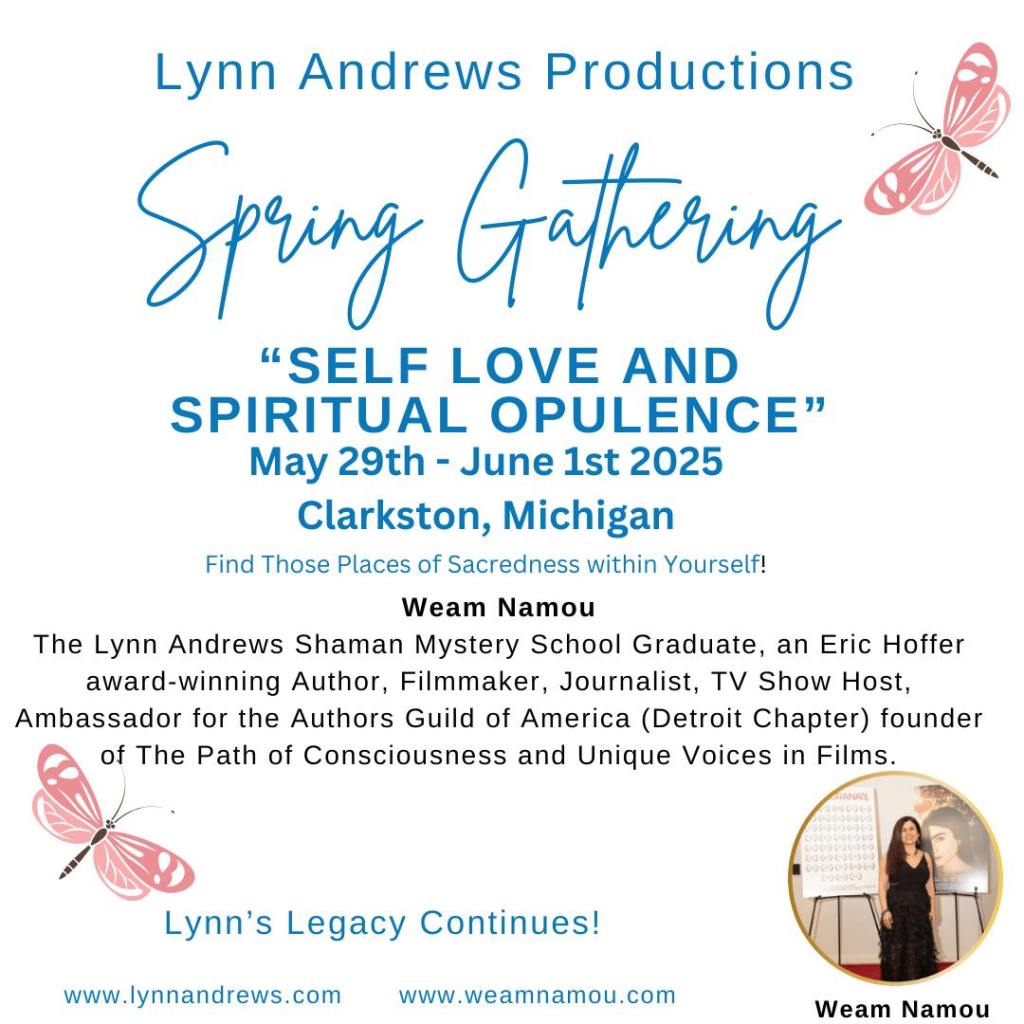
As I prepare to lead a retreat inspired by Lynn V. Andrews’ teachings and my Chaldean heritage, I invite you to reflect on the concept of spiritual opulence. Ask yourself:

✨ What does “spiritual opulence” mean to you?
✨ How do you experience connection with the divine in your daily life?
✨ What ancient wisdom or personal practices help you align with the universal laws of abundance and harmony?

This retreat is an opportunity to explore these questions together, blending the mystical teachings of my ancestors with the sacred wisdom of modern spirituality. It is a chance to step into the “time of the magical eye,” where nothing stands between us and the divine, and where we can co-create lives of beauty, creativity, and sacred abundance.

Let’s continue this journey of discovery, honoring the wisdom of the past while embracing the possibilities of the present. Together, we can embody the true meaning of spiritual opulence and align ourselves with the infinite potential of the universe.

💖 I look forward to exploring this sacred path with you. Click here to learn more!

Happy International Women’s Day ❤️

Dear readers,

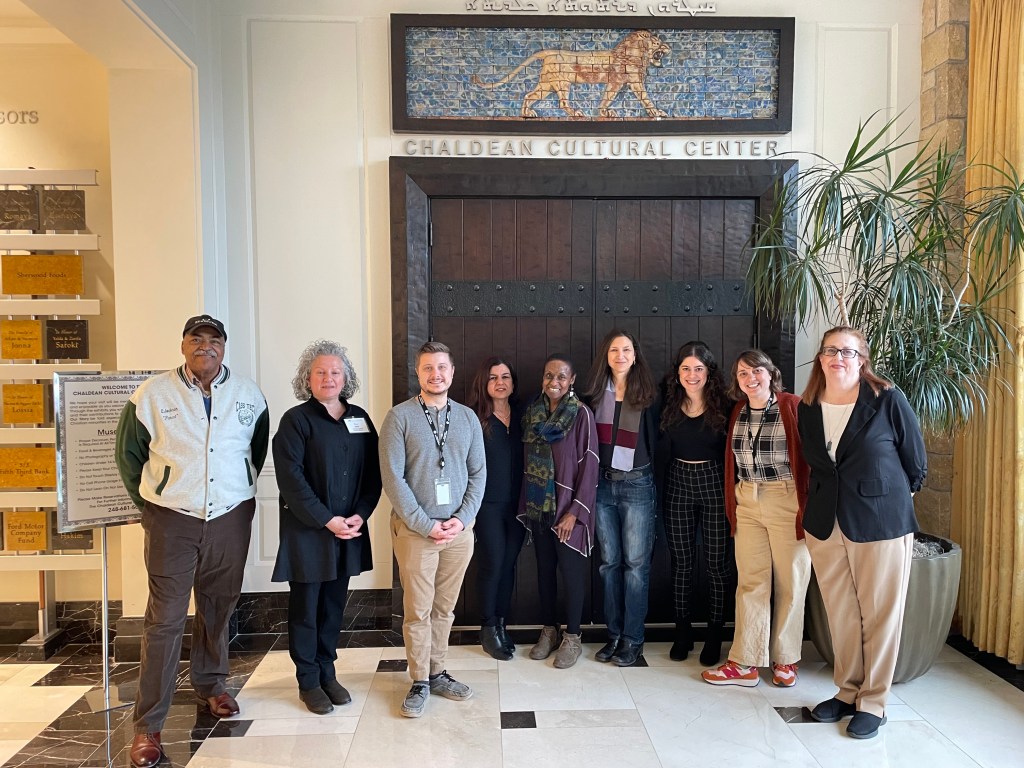
Today the Detroit Historic Designation Advisory Board visited the Chaldean Cultural Center! It was a wonderful visit that included a tour of the Chaldean Museum, beautiful dialogue, and of course chai and tekhratha (meat and cheese pastries)!

The board is using Underrepresented Communities Grant from the park service to fund an historic property survey of Detroit sites related to Arab and Chaldean community history. Based on community feedback, a site related to Arab and Chaldean history will become a listed place in the National Register.

During the tour, I shared with them, as I share with everyone who visits the museum, the story of Enheduanna, the first writer in recorded history. The daughter of King Sargon, she was a princess, priestess, and poet. I also shared the story of Gula, the goddess of healing, and Ninkasi, the goddess of beer, and the list goes on and on, and all are included in my book Mesopotamian Goddesses: Unveiling Your Feminine Power.

“Have you posted about these women today?” a lady asked. “It’s International Women’s Day!”

“No, I haven’t,” I said.

“You should!”

“Women were oppressed for a long time, and men were not,” another women else said. “That’s why there isn’t a day designated for men..”

So, here I am, for the first time in five months, writing a blog post, a post to give gratitude to and honor all the women in my life who have raised and supported me. To recognize the women of ancient times which history tried to silence. To be thankful for living in a time and place where people want to hear and uplift the voices of women, those living and those of our past.

To learn more about Mesopotamian Goddesses, click here: