


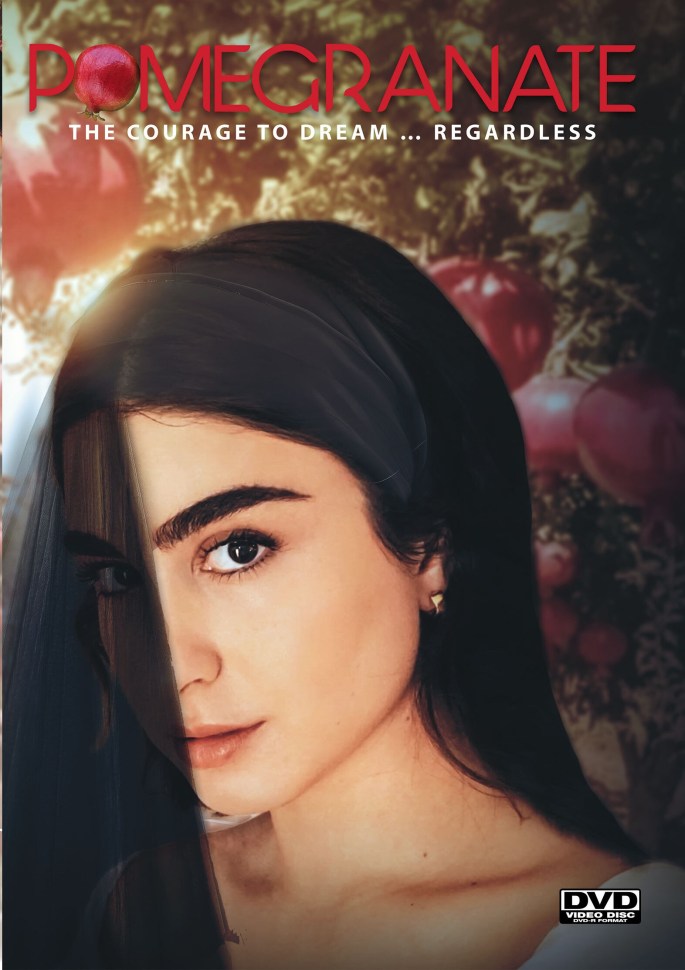
A few weeks ago, my film Pomegranate was shown in a class at the United States Naval Academy as part of their engagement series. The film has been screened in many places, but this particular experience left a profound impact on me, not only because of the thoughtful questions and discussions that followed but also because of one student—a young woman with Palestinian roots who interviewed me afterward.
A Shared Mission to Change the Narrative
Our interview began with the usual questions about the film’s themes and creative process, but it quickly turned into a deeply personal conversation that extended far beyond the allotted time. She spoke about her desire to change the narrative surrounding the Arab world, to break down barriers and dispel the negativity that often dominates the discourse. I realized how much we had in common—not just in our aspirations but in the struggles we’ve faced as women of Middle Eastern backgrounds trying to tell stories that challenge stereotypes.
Both of us were deeply affected by the events of October 7. Beyond the violence, we felt the weight of stereotypes we’ve worked so hard to dispel being reinforced and amplified. It’s disheartening to see how much of the Arab-American experience is overshadowed by narratives that don’t represent us. Those who don’t share mainstream views are often silenced, left to endure images and stories that perpetuate division rather than understanding.

The Stories They Don’t Want You to Hear
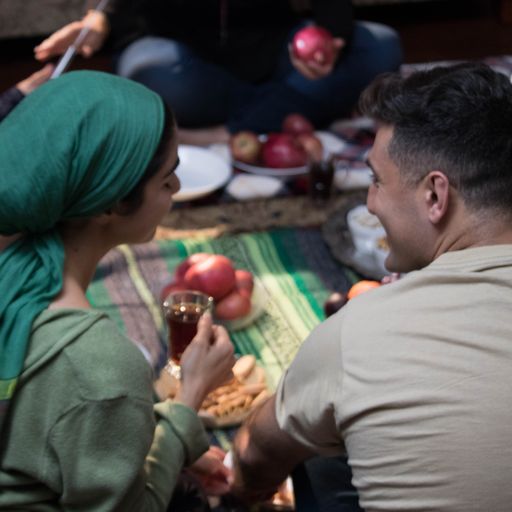
When I think about my time in Ramallah many years ago, I don’t recall the conflict as much as I remember the warmth of the people, the humor, the hospitality in every home, and the love that flowed freely between neighbors. I even remember the playful flirting between handsome Israeli soldiers at checkpoints and beautiful Palestinians—a moment of humanity in the midst of tension.
These are the stories people don’t want to hear, the ones that don’t fit the divisive narratives. They don’t make headlines because they don’t serve the agendas of those who profit from conflict. And unfortunately, even within our own communities, there are challenges. Whether it’s extremists canceling a book talk about Pomegranate or others refusing to support a screening because the film promotes the idea of women making choices, it’s clear that some are more invested in controlling narratives than fostering dialogue.
But for every roadblock, there’s someone like that young woman at the Naval Academy, whose passion and praise for the film reminded me why I do what I do. She called Pomegranate a beautiful and courageous movie, and applauded me for the work. Her words stayed with me long after our conversation ended yesterday.

Embracing the Positive Feedback
For decades, I’ve faced pressures from all sides. Non-Middle Easterners have encouraged me to write stories that “sell,” focusing on sensational topics like honor killings. Meanwhile, some Middle Easterners have expected me to mask our stories, pretending that our issues don’t exist. Neither approach has served us.
Instead, I’ve chosen to focus on the beauty and authenticity of our stories, and the feedback I’ve received from audiences, such as for Pomegranate, has been overwhelmingly affirming.
From non-Middle Eastern viewers:
- “This is a genius movie.”
- “Pomegranate is a very courageous and timely production.”
- “I was on the edge of my seat throughout the entire film. The comedic relief was done perfectly and didn’t take away from the seriousness of the story.”
- “This was a strong movie, with strong characters.”
From Middle Eastern viewers:
- “I liked the way you brought the sensitive topics in an open-ended and elegant way. It wasn’t how other Arabic movies try to politicize such topics.”
- “The story was perfect. The characters were perfect. The cinematography was perfect. The editing was perfect. The music was perfect. Everything was different. Don’t change any of the team in part two.”
Moving Forward
If Pomegranate has resonated with even one person, like that young woman at the Naval Academy, then it’s all worth it. For her and for others who have commended the film, I will continue to tell stories that celebrate the humanity, love, and resilience of our communities.
The journey isn’t easy, but it’s necessary. In a world that often seeks to divide, I’ll keep focusing on the beauty and complexity of our shared experiences, breaking down barriers one story at a time.
Pomegranate, which has won over 40 international awards, is streaming in 25 countries. You can click here to find out where to watch it


 The Path of Consciousness