HOW COMMUNITY SHAPED MY CALLING AT THE CHALDEAN MUSEUM

There’s a moment that happens when you step into a role you were meant for. Everything that felt difficult before suddenly makes sense. Everything you struggled to understand becomes clear. It’s not that the work is easy, it’s that it feels right.

That’s what happened when I became the Executive Director of the Chaldean Cultural Center and Museum.

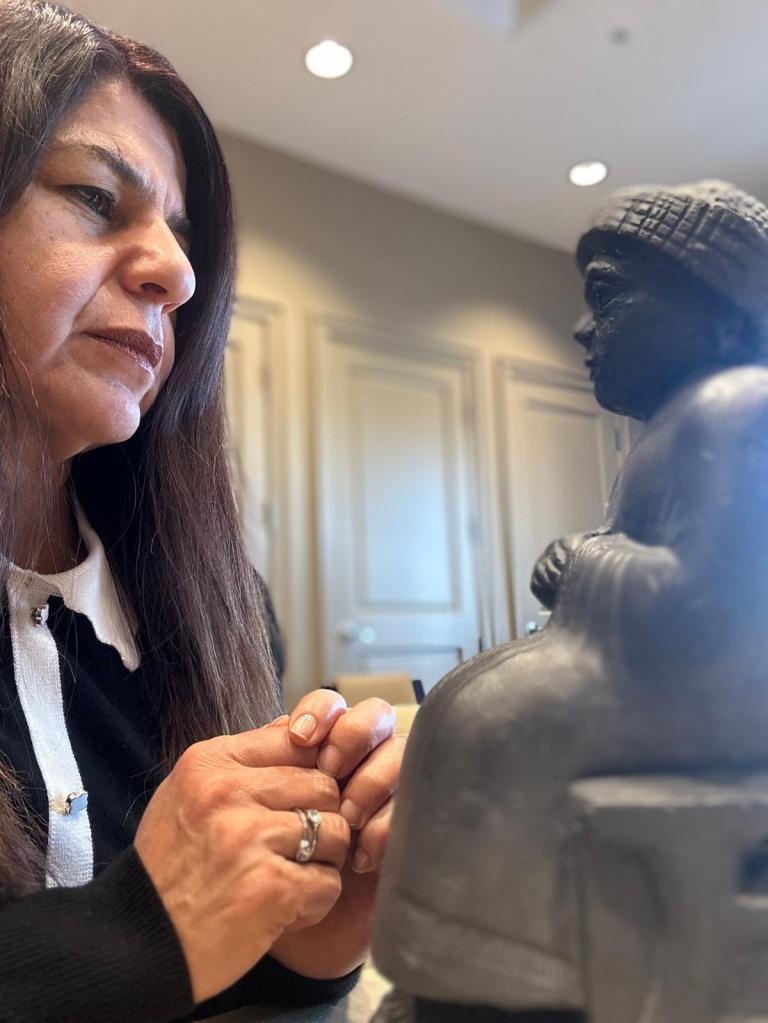
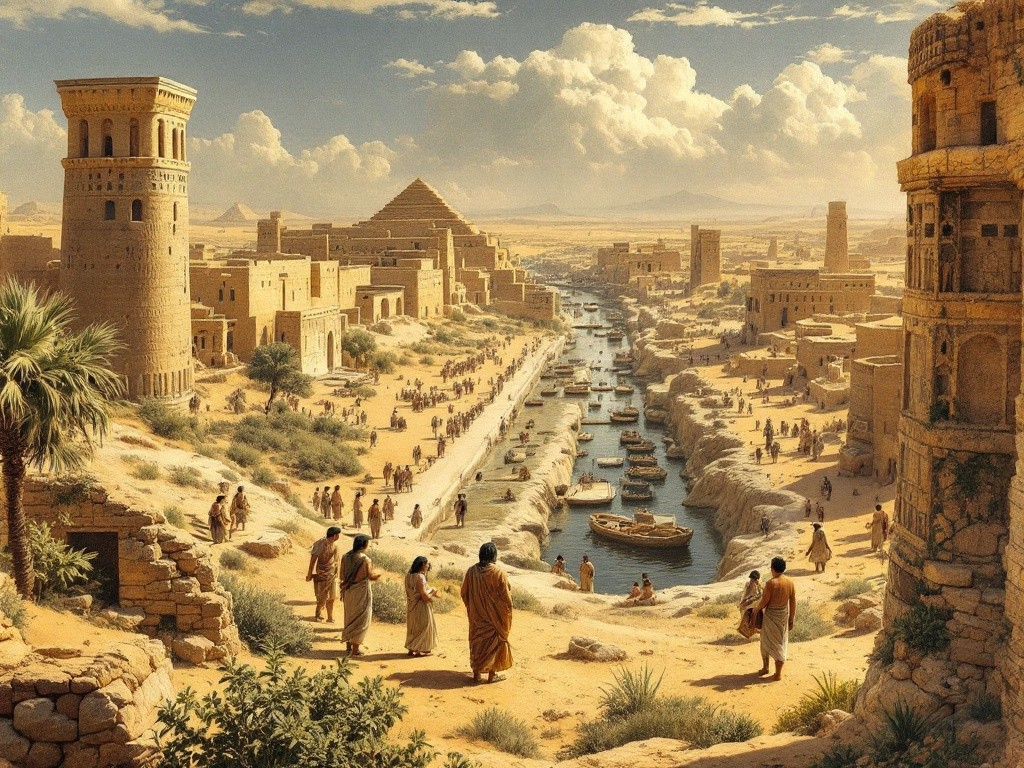
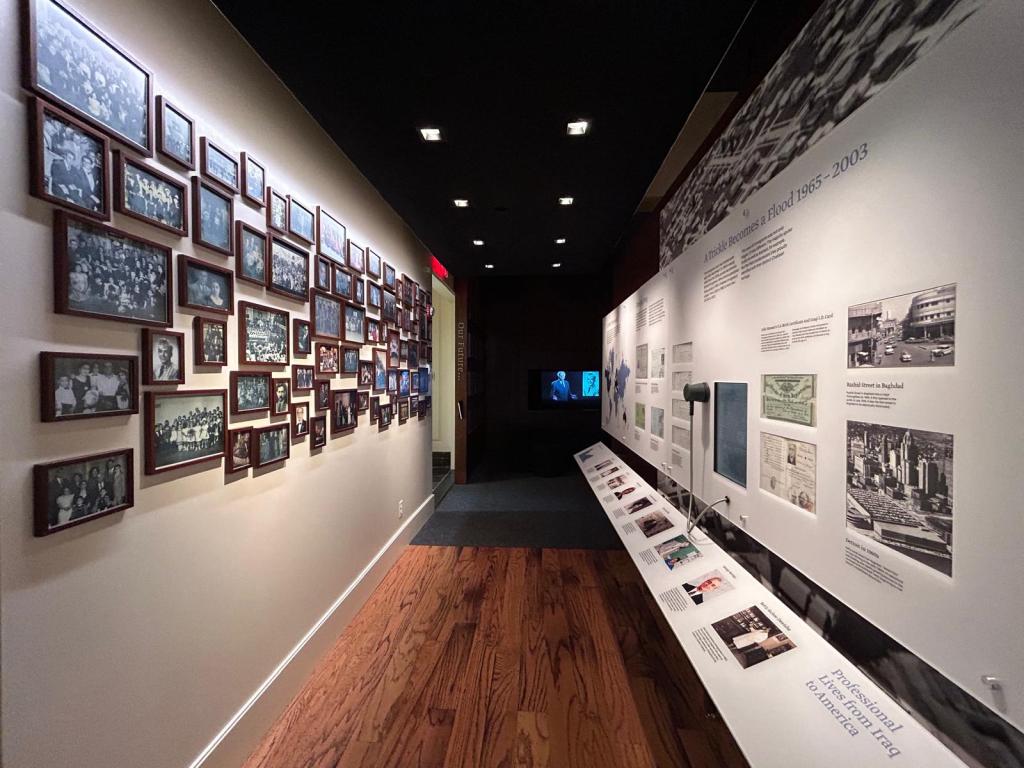
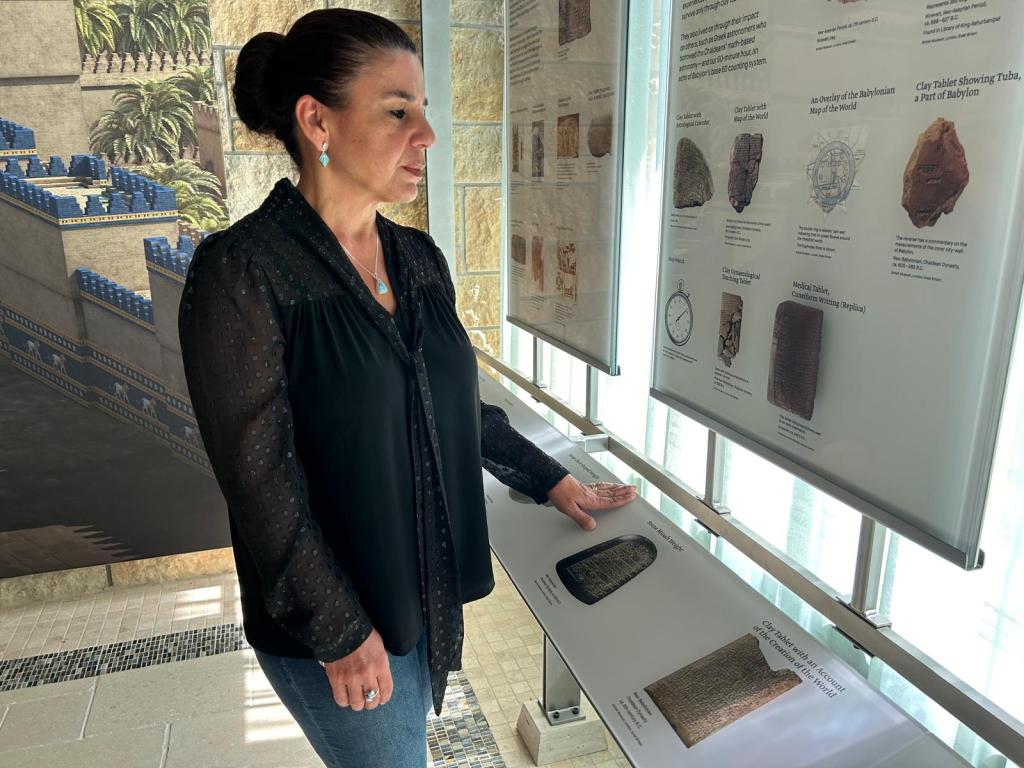
….she opened the entrance door to the museum. Before I reached the threshold, the sound of a mysterious foreign yet familiar music snuck through the doors like a streak of incense. Its pure and holy rhythm transported me to another world, one belonging to the ancients and the underground, where the spirits of my parents and ancestors greeted me, as if to say, โ€œWelcome to our past.โ€ I entered the ancient gallery of the museum, imbued with the colors of copal blue, olive green, and gold that subtly represented that region and its surrounding Tigris and Euphrates Rivers.ย 

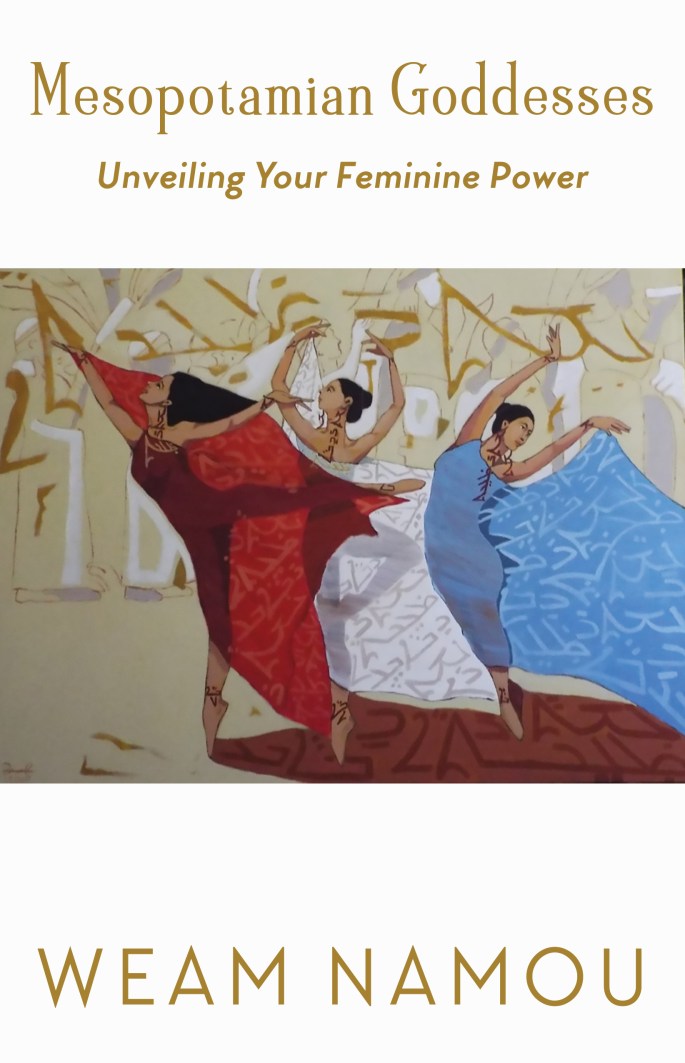
Judy explained that this was the Ancient Gallery, one of five of the museumโ€™s galleries. It focuses on the five main empires that ruled in ancient Mesopotamia: the Sumerian; the Akkadian; the Babylonian; the Assyrian; and the Neo-Babylonian (Chaldean). The Ancient Gallery was a couple hundred feet, whereas the land it represented was about three hundred miles long and about fifteen hundred miles wide. We started with the Sumerians, and I was immediately transported to the stories of the people and places Iโ€™ve been reading about for over a decade, my people, my birthland, which I had heavily researched when writing my thirteenth and most recent book, Mesopotamian Goddesses: Unveiling Your Feminine Power. The book was published just four months prior to my visit to the museum and a month prior to my motherโ€™s death. From that point forward, most of what Judy said and what I heard were two different things. I began to float along spontaneous streams of consciousness, my mind randomly taking me to where it wanted to go. Words Iโ€™d read over in the past suddenly appeared, organized into a partly historical, partly personal description of the Sumerians, who around 3500 BC, moved to the land between the Tigris and Euphrates Rivers in southern Mesopotamia, now called Iraq.ย 

– Chaldean Museum isย Chapter 12

Finding My Place

I’ve written before about my journey to this role, how I trained to be a docent at Cranbrook and struggled, how I served as Vice President of Detroit Working Writers and learned about community building. Each experience prepared me, but it wasn’t until I stepped into the Chaldean Museum that I understood what I’d been preparing for.

This wasn’t just a job. This was my calling.

As a Chaldean woman, I carry the stories of my ancestors in my bones. The ancient Mesopotamians, the Neo-Babylonians, the people who invented the wheel, developed agriculture, and gave us the first recorded writer in history, a princess and priestess named Enheduanna. This is my heritage. These are my people.

And suddenly, I wasn’t just learning someone else’s history. I was preserving my own.
What the Museum Taught Me

Leading the Chaldean Cultural Center and Museum taught me something profound about the relationship between community and personal growth. You can’t separate the two. We don’t grow in isolation. We grow when we’re part of something bigger than ourselves.

The museum became more than a building filled with artifacts. It became a gathering place. A touchstone for Chaldeans in the diaspora who needed to remember where they came from. A bridge between generations, where elders could pass down stories and young people could claim their heritage.

Every program we developed, every exhibit we created, every event we hosted was about community. About bringing people together. About saying, “You belong here. Your story matters. Your culture deserves to be preserved and celebrated.”

The Joy of Preservation

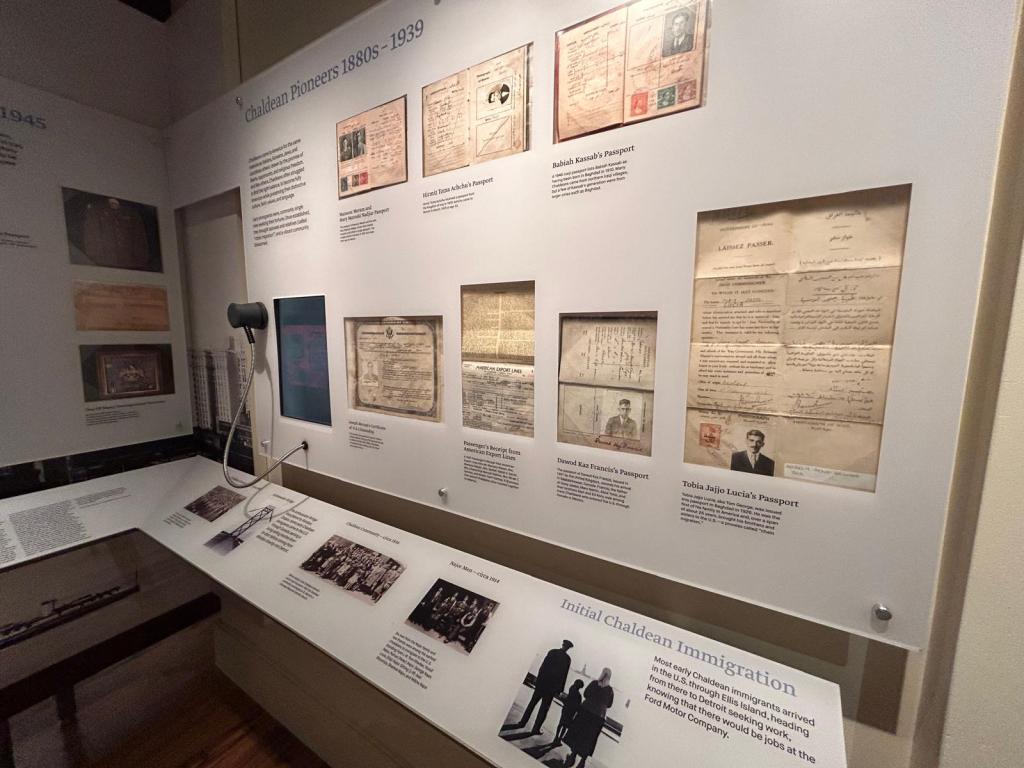
Being Executive Director meant carrying a beautiful responsibility. The Chaldean community has maintained its culture, language, and traditions for over 5,000 years. Our language, Aramaic, is one of the oldest living languages in the world. Our traditions connect us directly to ancient Mesopotamia.

The museum was about honoring that continuity. About celebrating the resilience and beauty of a culture that has thrived across millennia. About making sure that this rich heritage continues to be shared, celebrated, and passed down to future generations.

And I didn’t have to do it alone. That’s what community does. It distributes the joy. It shares the celebration. It says, “We’ll do this together.”

Community members donated artifacts from their families, each piece carrying stories of love and survival. Elders volunteered their time to share wisdom accumulated over lifetimes. Young people showed up eager to learn and connect with their roots. Scholars contributed research. Artists created works that honored our heritage. Everyone brought something to the table.
Leadership Through Service

My ancestors believed in a mindset of service. They saw their gifts and talents not as personal achievements but as tools to serve the greater good. Leading the museum taught me what that really means.

Leadership isn’t about being in charge. It’s about serving the community you lead. It’s about listening more than speaking. It’s about creating space for others to contribute their gifts. It’s about holding the vision steady while allowing others to help shape how that vision comes to life.

Every decision I made as Executive Director, I made with the community in mind. Not “What do I want?” but “What does the community need? What will serve our people best? What will ensure our culture thrives for the next generation?”

That’s what service looks like in practice.
How Community Made Me Grow

When I look back at my time leading the Chaldean Cultural Center, I see how much I grew. Not because I was working hard, though I was. Not because I was talented, though I brought my skills. But because the community lifted me up and helped me become more than I thought I could be.

Community members inspired me with their questions and insights. They offered perspectives that broadened my understanding. They encouraged me to reach for higher standards. They celebrated every victory with me and supported me through every challenge.

I learned to speak publicly with confidence because I was speaking about something that mattered deeply. I learned to advocate passionately because I was advocating for a community I loved. I learned to think strategically because the opportunity to make a difference was so meaningful.

But more than skills, community taught me about identity. About what it means to be Chaldean in America. About the sacred responsibility of carrying forward ancient wisdom in a modern world. About the healing that happens when we reconnect with our roots.

I grew because I was rooted in something larger than myself.

The Circle of Growth

Here’s what I’ve learned about community and growth. They feed each other in a circle that never ends.

Community helps you grow. You become more capable, more confident, more clear about your purpose. And then your growth serves the community. You bring back what you’ve learned. You lift others up. You create space for them to grow too.

And their growth feeds the community. And the community continues to flourish. And the circle goes on.

This is how cultures thrive. This is how movements build. This is how positive change happens. Not through isolated individuals working alone, but through communities of people committed to growing together.

Why This Matters Now

We live in a time when many people are searching for connection and meaning. There’s a growing hunger for authentic community, for spaces where we truly belong.

My time at the Chaldean Museum reminded me that community isn’t just nice to have. It’s essential. We need each other, not just for survival but for thriving, for becoming our fullest selves.

We need spaces where we belong. We need people who share our values. We need communities that call us to be our best selves and celebrate who we’re becoming.

Whether it’s a cultural center, a writers’ organization, a faith community, a neighborhood group, or a circle of friends, find your community. Show up for it. Contribute to it. Let it shape you. Let it inspire you. Let it hold you when you need support and celebrate with you when you reach milestones.

That’s where growth happens. In the fertile soil of community.

Gratitude for the Journey

I’m grateful for my time leading the Chaldean Cultural Center and Museum. Grateful for the community that trusted me with their stories. Grateful for the elders who shared their wisdom with such generosity. Grateful for the young people who showed up hungry to learn and eager to connect. Grateful for the board members, volunteers, donors, and supporters who believed in the mission and made everything possible.

That experience transformed me. It taught me who I am and what I’m capable of. It connected me to my ancestors and to my purpose. It showed me what’s possible when people come together in service of something sacred.

And it reminded me that we don’t grow alone. We grow in community. Always.
CRANBROOK – WHEN THE UNIVERSE REDIRECTS YOU

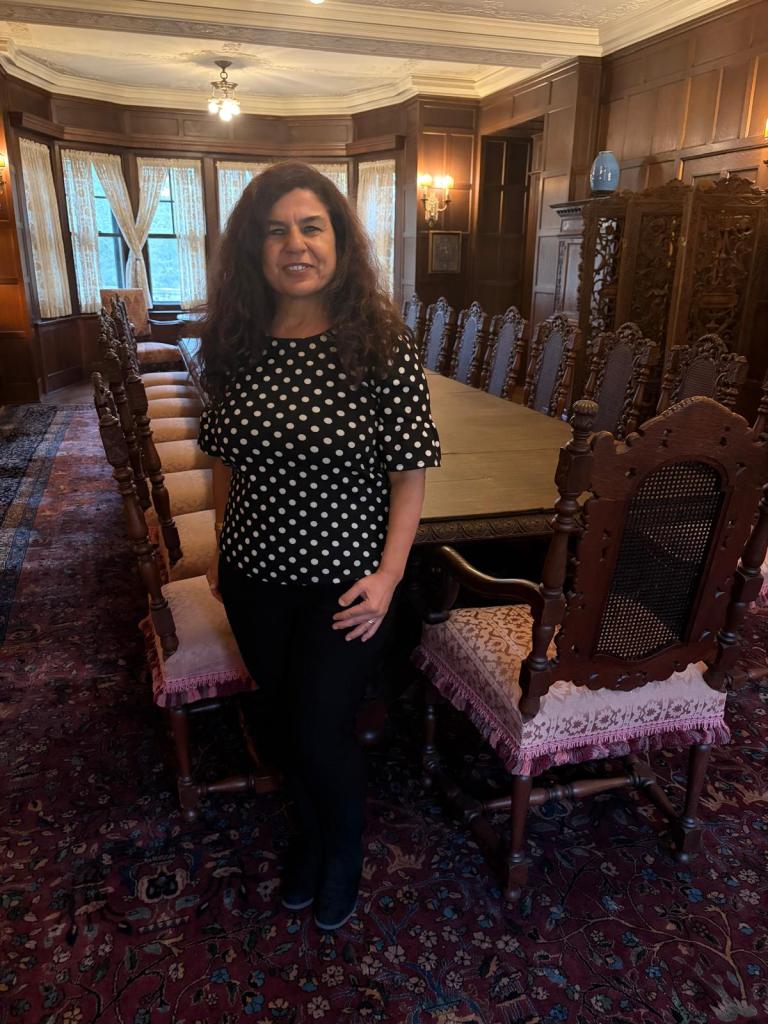
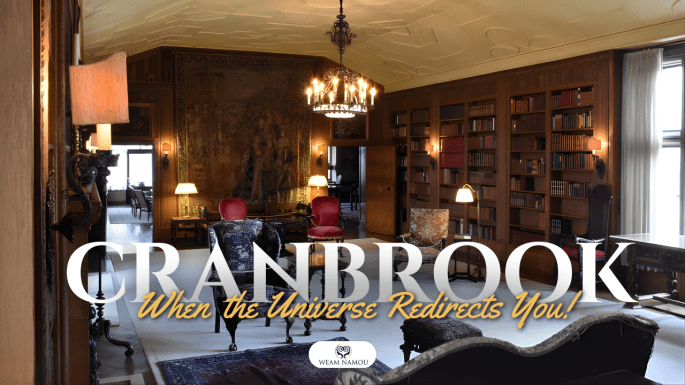
This week, I found myself back at Cranbrook House and Gardens for the 125th anniversary celebration of Detroit Working Writers. Walking through those familiar rooms stirred up memories I hadn’t thought about in years.

Cranbrook holds a special place in my story, though not in the way I originally imagined. Years ago, I trained to become a docent there. I was drawn to the estate’s beauty, the carefully preserved history, the stories embedded in every room. I thought this was where I was meant to be.

But the universe had other plans.

When Things Don’t Click

During the docent training, we were each assigned a room to memorize. Every week, we’d practice presenting as if we were actual docents, working toward that official role. I remember standing in the dining room, trying to absorb every detail, every story, every piece of furniture.

Here’s what I wrote about that experience in Little Baghdad, Chapter 17:

“As I envisioned the meals that took place around the dining table, I heard the docent explain that we were each assigned a script with a room to memorize for the next meeting. Each week, we’d play docent as a means to attaining true docent status. Fear crept in. I don’t retain information very well unless the topic truly matters to me. Otherwise, I tend to freeze. And lo and behold, that was exactly what happened when I stood there in the center of puzzled looks from the rest of the docents-in-training, unable to recall anything about the dining room except that the maid spilt soup on one of the sons and Mrs. Booth’s silverware had ‘Nelly’ etched on the reverse of each of the pieces, the name that her family called her. This reminded me of Nelly Olson in Little House on the Prairie.

That night, walking to my car in the cold quiet winter night, I reflected on the house. โ€ฆ By the time my feet reached my car, I’d made up my mind. I can’t do this.”

I felt embarrassed. Disappointed in myself. I’m usually good at retaining information, at learning new things. Why was this so hard? What was wrong with me?

I never became a docent at Cranbrook.

Then Everything Changed

Not long after that experience, I became the Executive Director of the Chaldean Cultural Center and Museum.

And suddenly, everything that had been difficult at Cranbrook became effortless.

The history of my people, the artifacts, the stories of ancient Mesopotamia, the journey of the Chaldean community. I absorbed it all naturally. I could speak about our culture, our contributions to civilization, our struggles and triumphs without needing to memorize scripts. It just flowed.

This wasn’t about capability or intelligence. It was about calling.

The Spiritual Lesson

When I talk about spirituality, this is what I mean. It’s not always about rituals or meditation, though those have their place. Sometimes spirituality shows up in the simple recognition of where you belong versus where you’re trying to force yourself to fit.

At Cranbrook, I was pushing. At the Chaldean Museum, I was flowing.

That’s the difference between being in alignment and being out of alignment. Your body knows. Your spirit knows. Even when your mind is still trying to convince you that you should make it work.

The struggle I experienced at Cranbrook wasn’t failure. It was guidance. The universe was redirecting me, saying, “Not this path. Keep looking. Your purpose is waiting somewhere else.”

Nothing is Wasted

Looking back now, I see how that experience prepared me in ways I didn’t understand at the time. The docent training taught me about preservation, about honoring history, about the importance of telling stories with care and accuracy.

I used all of that at the Chaldean Museum. I just used it for my own people, my own culture, my own calling.

Nothing is ever wasted. Every detour teaches us something. Every closed door points us toward the one that’s meant to open.

Coming Full Circle

Standing in Cranbrook House this week, years after that difficult realization in the cold parking lot, I felt grateful. Grateful that I listened to that inner voice telling me I didn’t belong there. Grateful that I didn’t force myself to keep going just to prove I could do it.

If I had become a Cranbrook docent, I might never have stepped fully into my role at the Chaldean Cultural Center. I might never have dedicated myself so completely to preserving and sharing the stories of my ancestors.

Sometimes the things that don’t work out are the biggest blessings.

A Message for You

If you’re struggling right now in a place where you thought you belonged, pay attention. Not all struggle is meant to be pushed through. Some struggle is a message.

Ask yourself: Am I struggling because I’m growing, or am I struggling because I’m in the wrong place?

Growth struggle feels hard but purposeful. Misalignment struggle feels hard and hollow.

Trust that inner knowing. Trust that if something isn’t clicking, maybe it’s because something better is waiting. Something that will feel like coming home instead of trying to belong.

Your calling isn’t something you have to force. When you find it, you’ll know. Not because it’s easy, but because even when it’s hard, it feels right.

The universe is always guiding us. Sometimes through open doors. Sometimes through closed ones.

Both are blessings.

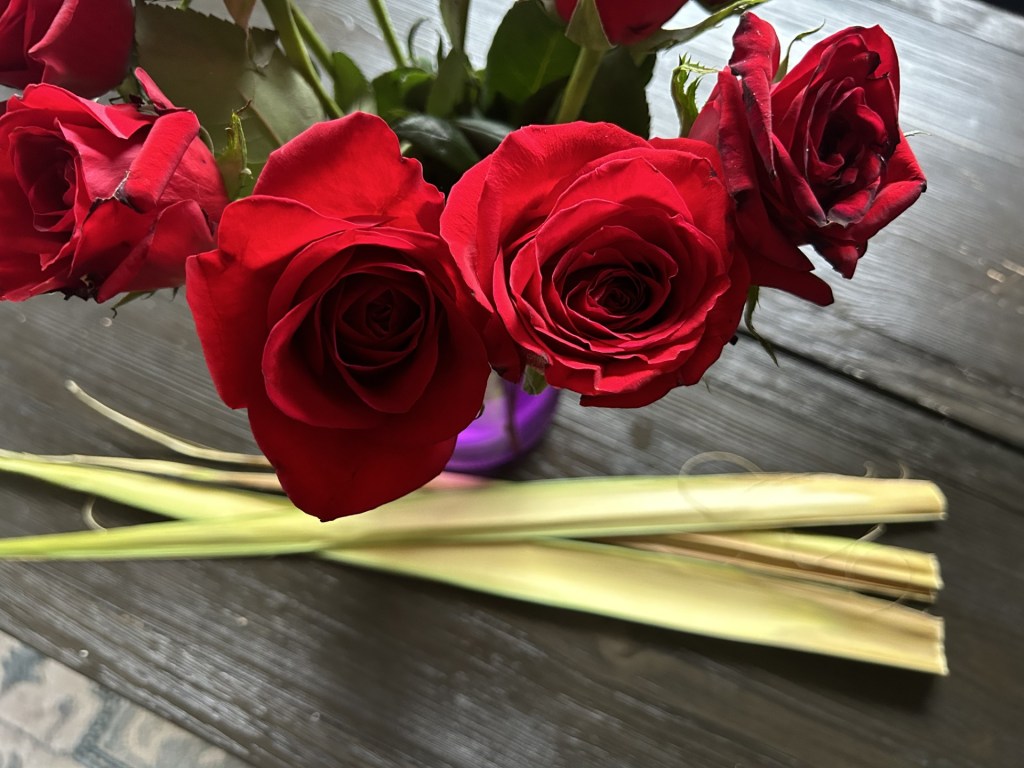
Palm Sunday at the Chaldean Church

Today, I attended Palm Sunday at a Chaldean church, a community that traces its roots back to one of the oldest Christian traditions in the world. The church was alive with devotion and joy, its walls echoing with ancient prayers and hymns sung in Aramaic, the language Jesus himself spoke. It was a moving experience, immersing myself in the faith and culture of a community with such a profound connection to history.

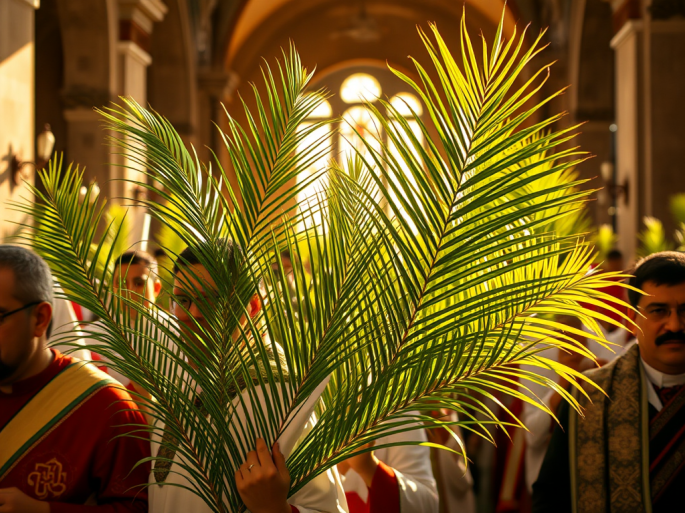
One of the most striking parts of the ceremony was the procession. Members of the congregation walked down the aisle holding palm branches, waving them high in the air as a symbol of reverence and celebration. The atmosphere was electric as women released traditional Middle Eastern mirth soundsโ€”ululationsโ€”made during happy occasions like weddings or other festivities, added a layer of cultural depth to the ritual, blending faith and heritage in a powerful way.

At the end of the celebration, everyone received a palm branch to take home. Holding that simple branch in my hand, I couldnโ€™t help but wonderโ€”what does this symbol truly mean? Was there a deeper story behind it?

When I returned home, after having a late brunch with my family, walking the dog, then taking a nap, I decided to do a bit of research. What I found was fascinating, connecting the palm branch not only to Christianity but to a much older legacy: the traditions and beliefs of ancient Mesopotamia.

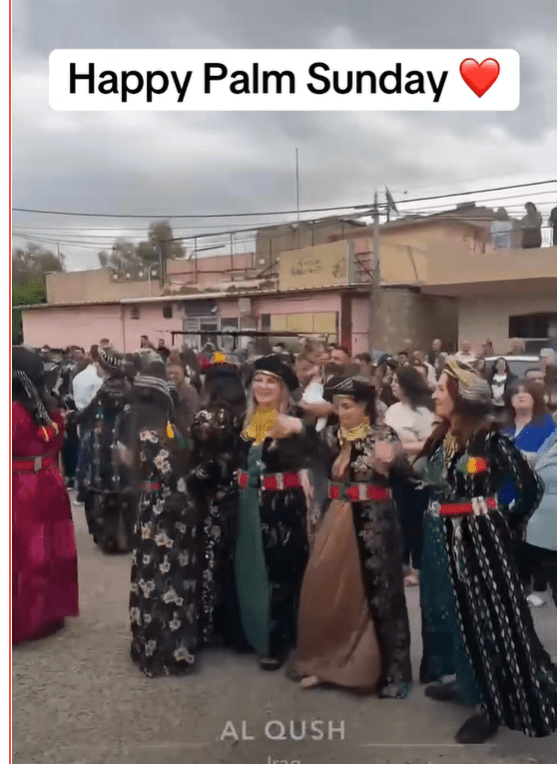
Here’s a TikTok clip of the Christian communities celebrating in Iraq. You can follow me there for more colorful clips!
https://www.tiktok.com/@weamnamou/video/7492845930249522478


The Deeper Meaning of the Palm Branch

Palm branches are central to the Christian celebration of Palm Sunday, symbolizing Jesusโ€™ triumphal entry into Jerusalem. They represent victory, peace, and eternal life. But their significance goes back much further in history, to the ancient civilizations of Mesopotamia.

In Mesopotamiaโ€”the cradle of civilization and the land that gave rise to the ancestors of todayโ€™s Chaldeansโ€”the palm tree was a powerful symbol. It represented life, fertility, and prosperity in a region where agriculture depended on the rivers and the lush vegetation they supported. The palm was sacred, appearing in religious rituals, art, and even mythology.

Palm branches were often associated with deities like Ishtar, the goddess of fertility and love, and Shamash, the sun god. They were depicted in carvings and reliefs, sometimes as part of sacred trees or in scenes of divine blessing. The palmโ€™s connection to life and renewal made it a potent emblem, one that resonated deeply with the spiritual beliefs of the time.

As Christianity emerged and spread throughout the region, it absorbed and reinterpreted some of these older symbols. The palm branch, once a sign of prosperity and divine favor in Mesopotamian culture, became a symbol of Christโ€™s victory over death and sin. On Palm Sunday, Christians around the world carry these branches as a reminder of Jesusโ€™ sacrifice and the promise of eternal life.

Imagine, the palm branch I brought home today carries that history.

The Cross: From Chaldea to Christianity

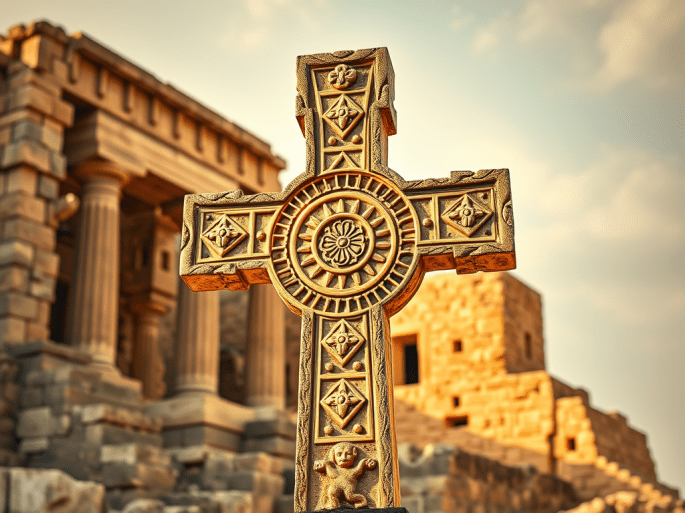
While working on the second book in my series, The Magical Museum, which explores the faith and Church history of the Chaldeans, I stumbled upon a fascinating fact: the sacred symbol of the cross, central to Christian culture, significantly predates Western religion. As a Chaldean, I find it remarkable that this symbol, so integral to my faith, also holds deep historical roots in my ancestors’ culture. The 11th edition of the Encyclopedia Britannica puts it plainly: โ€œThe cross has been used both as a religious symbol and as an ornament from the dawn of man’s civilization.โ€ This symbol appeared across ancient culturesโ€”from Scandinavia to Egyptโ€”and played a particularly prominent role in the spiritual culture of Chaldea, a civilization that flourished from 612 to 539 B.C.

The Cross in Chaldea

Ancient Chaldea, located in what is now southern Iraq and Kuwait, was one of the central cultural and spiritual hubs of the Middle Eastern world. Under the Chaldean Dynasty, rulers such as Nebuchadnezzar II rebuilt Babylon into a cultural and religious center. It was in this rich environment that the cross emerged as a symbol of spiritual significance.

The Chaldean cross began as a circular sun symbol, representing the rays of the sunโ€”a source of life and renewal. Over time, two beams crossed the circle, symbolizing the sun’s rays and marking one of the earliest recorded uses of a two-beamed cross. Eventually, the Chaldeans removed the circle, leaving only the intersecting beams. This design evolved to represent the four cardinal points of the sky, a concept deeply tied to Chaldean cosmology.

Historian G. Maspero, in History of Egypt: Chaldea, Syria, Babylonia and Assyria, speculates that the two-beamed cross may have also symbolized a man standing upright with arms outstretched. This imagery, with rounded protrusions at the ends resembling fingers, suggests that the cross was not only a cosmological symbol but also a representation of humanityโ€™s connection to the divine.

A Symbol of Rebirth

In Chaldea, the cross was closely associated with Tammuz, the sun god and husband of the goddess Ishtar. Tammuz was celebrated as a deity of fertility, renewal, and life. The Chaldeans honored him with a six-day festival at the start of the summer solstice, marking a time of rebirth and abundance. Interestingly, Tammuz’s name lives on today as the month of July in Iraqi Arabic, Levantine Arabic, the Chaldean calendar, and the Jewish calendar. Tammuz is the month of the sin of the golden calf, which resulted in Moses breaking the tablets of the Ten Commandments. References to Tammuz even appear in Arabic literature from the 9th to 11th centuries AD.

This theme of rebirth resonates strongly with Christian beliefs. The crucifixion and resurrection of Jesus Christ transformed the cross from an instrument of suffering into a symbol of redemption and eternal life. Both ancient Chaldean practices and Christian theology highlight the cross as a bridge between the physical and spiritual realms, representing renewal, transformation, and hope.

The Crossโ€™s Evolution and Legacy

The crossโ€™s journey from Chaldea to Christianity reflects the way symbols can evolve while retaining their spiritual essence. By the time of Emperor Constantine in the 4th century A.D., the cross had become a central symbol of the Christian faith. While it had once been an instrument of execution, Constantineโ€™s vision of the cross as a sign of victory transformed its meaning.

This shift mirrors the overarching narrative of Christianity: the power of God to redeem what is broken and bring forth new life. The cross, rooted in ancient history, became a unifying symbol for believers, transcending time and culture.

Embracing the Crossโ€™s History

As a Chaldean, I feel a profound connection to the journey of the cross. Its ancient origins in the culture of my ancestors remind me that faith is a thread woven through the tapestry of history, uniting humanity with the divine across time and place. Acknowledging these origins deepens our understanding of the crossโ€™s significance in Christianity, showing how Godโ€™s presence has always transcended cultural and historical boundaries.

The spiritual practices of ancient civilizations highlight a universal longing for connection with the divineโ€”a longing beautifully fulfilled in the life, death, and resurrection of Jesus Christ. By exploring these historical roots, we gain a richer appreciation of the cross not only as a symbol of faith but also as a testament to Godโ€™s eternal love and grace.

Conclusion

The cross has traveled an incredible journey, from its origins in ancient Chaldea as a sun symbol to its central role in Christianity as a sign of hope and redemption. Its history is a testament to humanityโ€™s enduring relationship with the spiritual realm and our shared desire for renewal and connection with the divine.

Exploring the crossโ€™s history allows us to embrace it as part of Godโ€™s grand narrative. The cross is not just a relic of the past but a living symbol that continues to inspire faith, hope, and love in the present.

If youโ€™d like to dive into the first book of The Magical Museum series before the second installment is released, itโ€™s the perfect time to embark on this journey through Chaldean faith and history. Stay tuned for more fascinating discoveries in the upcoming book!

Chaldean Mysticism and Universal Wisdom

In a world that often equates opulence with material wealth, it is essential to remember that true opulence transcends the physical. It is about the richness of our connection to the divine, the depth of our understanding of universal laws, and the ability to live in harmony with the sacred forces that govern existence. As a Chaldean, I am deeply inspired by the ancient wisdom of my ancestors, who were renowned as astrologers, astronomers, mathematicians, and magicians. Their knowledge was not merely intellectualโ€”it was soulful, mystical, and transformative.

The Legacy of Chaldean Wisdom

The Chaldeans, also known as the Neo-Babylonians, were pioneers in understanding the mathematical and cosmic principles that underpin the universe. According to Rhonda Byrne in The Secret, โ€œThe ancient Babylonians and their great prosperity have been well documented by scholars. They are also known for creating one of the Seven Wonders of the World, the Hanging Gardens of Babylon. Through their understanding and application of the laws of the Universe, they became one of the wealthiest races in history.โ€

This profound legacy speaks to the Chaldean mastery of universal laws, which they saw not as abstract concepts but as living truths that could be applied to every aspect of life. They understood the sacred geometry of the cosmos, the rhythms of the stars, and the balance of energies that govern existence. Their wisdom was both scientific and spiritual, rooted in a deep reverence for the divine order.

Spiritual Opulence: A Modern Perspective

My teacher, Lynn V. Andrews, often spoke about โ€œspiritual opulence,โ€ a state where sacred wisdom becomes accessible to everyone, inviting us to connect deeply with the divineโ€”however we define it. She described this era as the โ€œtime of the magical eye,โ€ a moment in history when the veil between the physical and the spiritual is thinner than ever. In this time, nothing stands between us and the Great Spirit, God, Goddess, or the creative source of all beauty and abundance.

Spiritual opulence is about tapping into this divine connection and allowing it to transform every facet of our lives. It is not limited to religious practices or rituals; it is a way of being that integrates the mystical with the mundane. It is seeing the sacred in the ordinary and recognizing that the same universal laws that govern the stars also govern our thoughts, actions, and relationships.

The Science of Mysticism: Chaldean Contributions to Modern Understanding

The Chaldeans’ contributions to science and mysticism are a testament to their understanding of the universe as a unified whole. Their advancements in mathematics and astronomy were not separate from their spiritual practices; they were tools for understanding the divine order. For example:

  • Astrology and Astronomy: The Chaldeans were among the first to map the heavens, recognizing the influence of celestial bodies on earthly events. They saw astrology not as superstition but as a science that revealed the interconnectedness of the cosmos.
  • Mathematics: Chaldean mathematicians developed sophisticated systems for measuring time and space, including the 360-degree circle and the concept of zero. These innovations were rooted in their understanding of balance and harmony, principles that are essential to both mathematics and spirituality.
  • Magic and Mysticism: For the Chaldeans, magic was not about illusions or tricksโ€”it was the art of aligning oneself with universal laws to manifest desired outcomes. This mystical practice was grounded in their deep knowledge of energy, intention, and the power of the human mind.

These ancient teachings remain profoundly relevant today. They remind us that the universe operates according to principles that are both scientific and spiritual, and that by understanding and applying these principles, we can create lives of abundance, harmony, and purpose.

An Invitation to Reflect and Connect

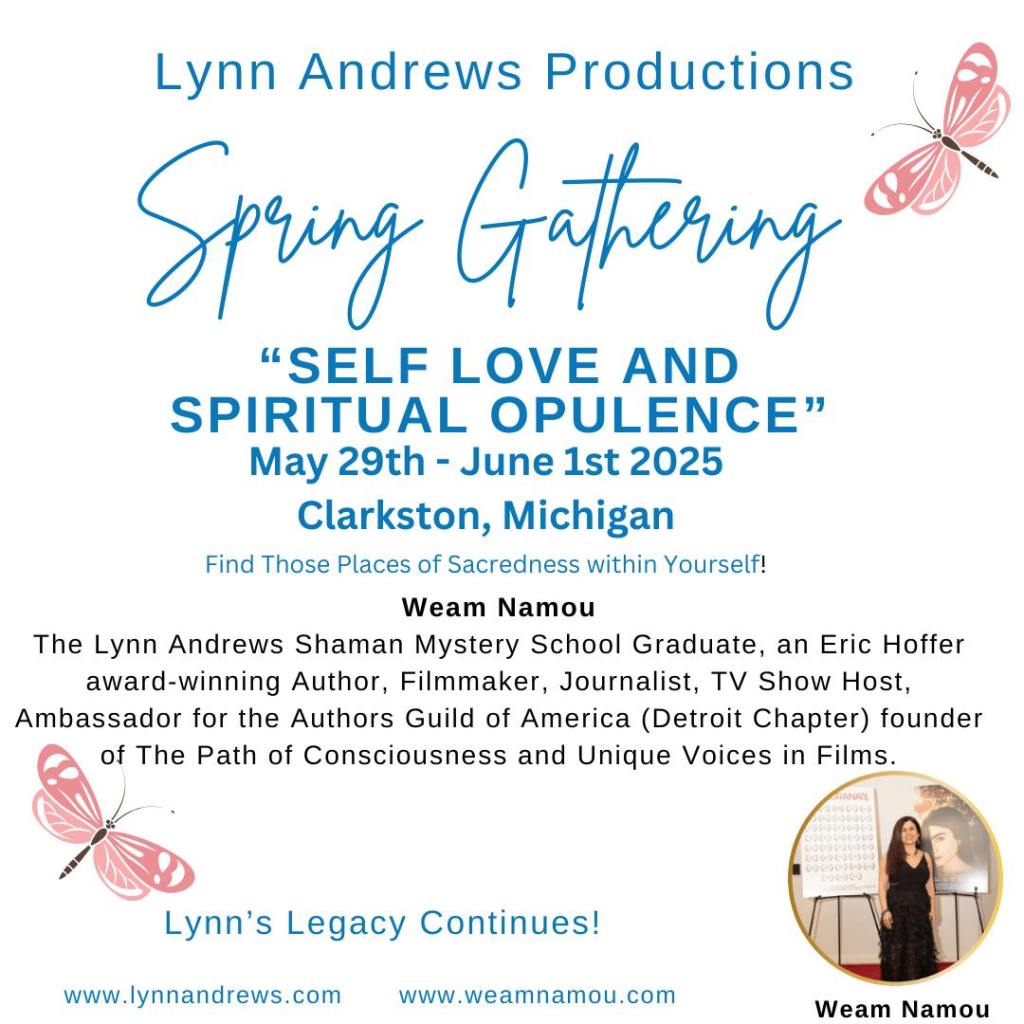
As I prepare to lead a retreat inspired by Lynn V. Andrews’ teachings and my Chaldean heritage, I invite you to reflect on the concept of spiritual opulence. Ask yourself:

โœจ What does โ€œspiritual opulenceโ€ mean to you?
โœจ How do you experience connection with the divine in your daily life?
โœจ What ancient wisdom or personal practices help you align with the universal laws of abundance and harmony?

This retreat is an opportunity to explore these questions together, blending the mystical teachings of my ancestors with the sacred wisdom of modern spirituality. It is a chance to step into the “time of the magical eye,” where nothing stands between us and the divine, and where we can co-create lives of beauty, creativity, and sacred abundance.

Letโ€™s continue this journey of discovery, honoring the wisdom of the past while embracing the possibilities of the present. Together, we can embody the true meaning of spiritual opulence and align ourselves with the infinite potential of the universe.

๐Ÿ’– I look forward to exploring this sacred path with you. Click here to learn more!

The Oneida Man – My Native American Friend

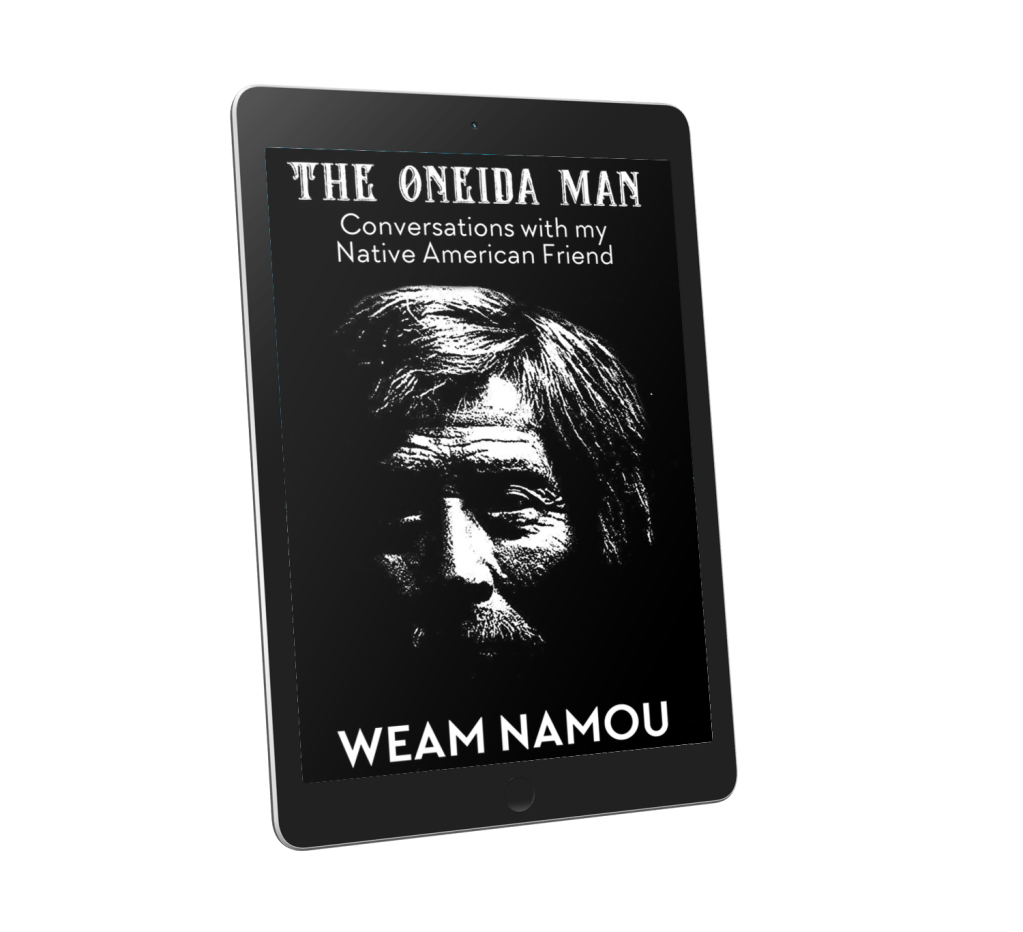
An old friend, the Oneida Man, and I share Indigenous heritage, which inspired my book about our engaging conversations. Itโ€™s available for FREE until December 3rd.

November is a time to honor the rich cultures, histories, and contributions of Indigenous peoples.

As a Chaldean, I recognize the unique languages, traditions, and deep connections to ancestral lands shared by all Indigenous people, including various groups from Mesopotamia, modern-day Iraq.

This book celebrates and uplifts these voices together.

Get your FREE copy here https://a.co/d/5Euvtpy

Here’s an excerpt from the book:
I found him peculiar, but yet, when he talked, he said in
triguing things. Some things I jotted in my journal. Others I
added later in my books, and others I turned into published
poems. One such poem is Love, Justice, and Turtle Soup

Love, Justice, and Turtle Soup

A Native American man with long hair
walked into my place of business one day
and verbally handed me a recipe,
though I did not cook at the time โ€“
and now that I do cook, I doubt
I could follow the instructions he gave to me,
though Iโ€™ll never forget the recipe.

He said, nonchalantly:
โ€œIf you want to make homemade turtle soup, you have to be careful and you must wait..
You’d want to catch a sea turtle because you get thirty or more pounds of meat from it – depending on weight. You need help too. A couple of men would do, to place the turtle inside a garbage barrel filled with fresh water. Close the lid and leave it there to starve.
It sounds brutal, I know, but there’s no other way to do it if you want to have homemade turtle soup. Sea turtles can live up to a hundred years, so it takes a while for them to die. If someone tried to slaughter them, they’d release a poison into their system that would kill anyone who ate from it. One must therefore keep the area surrounding the garbage barrel quiet so the turtle doesn’t think it has been caught by anyone but itselfโ€ฆ.
Turtles have a bad memory and will forget they were trapped.โ€

People trap each other like that and call it love.

Elephants, on the other hand, don’t forget.
If someone tried to hurt them, they come back in a hundred years to step on them.

People avenge each other like that and call it justice.

Mesopotamian Goddesses

In December of 2017, I gave a talk about Priestesses and Goddesses of Ancient Mesopotamia at the Theosophical Society, which was filled with an engaging audience who listened to me speak about an important aspect of my ancestry that is often omitted from history – the women who helped build the cradle of civilization, now called Iraq.

We’re all connected to our past. So it’s important to know what it was like in ancient Mesopotamia when females and males had a more equal status and cuneiform scripts were filled with poetry of love stories rather than wars. How did women go from being writers and poets, queens, physicians, and priestesses to, thousands of years later, being sex slaves?

I’ll recap a little history from passages from my memoir, Healing Wisdom for a Wounded World: My Life-Changing Journey Through a Shamanic School (pg 164-165):

What history books say regarding the role of women in ancient Mesopotamia is true. Most girls were trained from childhood for the traditional roles of wife, mother, and housekeeper. They learned how to grind grain, how to cook and make beverages, especially beer, and how to spin and weave cloth for clothing. But in early periods, women could own, purchase, and inherit property and engage in business for themselves. High status women, such as priestesses and members of royal families, were taught to read and write and were given significant administrative authority. A number of powerful goddesses were worshiped, and in some city states they were the primary deities.

Kubaba, a Sumerian Queen, is the worldโ€™s first recorded woman ruler in history. She was a former tavern-keeper, one of many occupations that were open to women in Mesopotamia. Kubaba was said to have reigned peacefully for one hundred years. Her symbols were the mirror and the pomegranate.

Enheduanna is the worldโ€™s first recorded writer. She wrote and taught about three centuries before the earliest Sanskrit texts, 2000 years before Aristotle and 1,700 before Confucius. She was the daughter of the great Mesopotamian king Sargon of Akkad and the high priestess of the temple of Innana, known as Ishtar, and Nanna, the Akkadian moon god, in the center of her fatherโ€™s empire, the city-state of Ur.

Enheduanna had a considerable political and religious role in Ur. She wrote during the rise of the agricultural civilization, when gathering territory and wealth, warfare, and patriarchy were making their marks. She offers a first-person perspective on the last times women in Western society held religious and civil power. After her fatherโ€™s death, the new ruler of Ur removed her from her position as high priestess. She turned to the goddess Inanna to regain her position through a poem that mentions her carrying the ritual basket:

It was in your service that I first entered the holy temple,
I, Enheduanna, the highest priestess. I carried the ritual basket,
I chanted your praise.
Now I have been cast out to the place of lepers.
Day comes and the brightness is hidden around me.
Shadows cover the light, drape it in sandstorms.
My beautiful mouth knows only confusion.
Even my sex is dust.

Enheduanna lived at a time of rising patriarchy. It has been written that, as secular males acquired more power, religious beliefs had evolved from what was probably a central female deity in Neolithic times to a central male deity by the Bronze Age. Female power and freedom sharply diminished during the Assyrian era, the period in which the first evidence of laws requiring the public veiling of elite women was made.

I also shared my ancestorโ€™s history of rich powerful females. This includes Inanna, the goddess of Sumerians who is known as Ishtar for Babylonians and Assyrians. She honored her femininity and used her power to do good for her people. She chose to leave all her possessions behind to go to the underworld which her sister was goddess of. To do so, she had to pass the seven gates (kundalini chakras) to meet her death and return to life.

Thereโ€™s Ninkasi, the ancient Sumerian goddess of beer. She symbolizes the role of women in brewing and preparation of beverages in ancient Mesopotamia. But this was not a light matter. Beer consumption was an important marker for societal and civilized virtues. Did you know that the oldest recipe for brewing beer comes from the land of Mesopotamia and that the straw was first developed by the Babylonians?

Back to Kubaba โ€“ the only queen on the Sumerian King list and one of very few women to have ever ruled in their own right in Iraqi history. She is believed to have fortified the city against invaders and made it strong. After her death she was worshiped as a goddess. Yet in later generations, Mesopotamians decided it was unnatural for a woman to uphold traditional menโ€™s roles and provided this omen to make sure no other woman dares to so improperly cross that line again: โ€œIf an androgyny is born, with both rod and vagina โ€“ omen of Kubaba, who ruled the country. The country of the king shall be ruined.โ€

Ironically, the country of โ€œthe kingโ€ was ruined because of her absence. The thirst to wipe away the feminine energy, โ€œher storyโ€, in the Middle East has succeeded, causing that region to become so imbalanced that, no matter how much U.S. and international intervention, it seems unable to heal.

Yet I believe what the Dalai Lama once said, that โ€œthe Western women will save the world.โ€ Yes, she will bring her story back to life.

After that talk at the Theosophical Society, I dug deeper into my history, retrieved more stories about queens, priestesses and goddesses from that region, and decided to incorporate them into a book. Mesopotamian Goddesses: Unveiling Your Feminine Power not only shares the stories of these women, but it’s aย transformed understanding of feminine consciousness, helping you, through powerful yet practical exercises, to manifest your dreams and create a healthy marriage within yourself, your home, and society.

You can preorder your book, or learn how you can be part of this history by visiting this link: ย https://www.publishizer.com/mesopotamian-goddesses

FRONT COVER (LATEST)