Empowering Each Other Through Storytelling

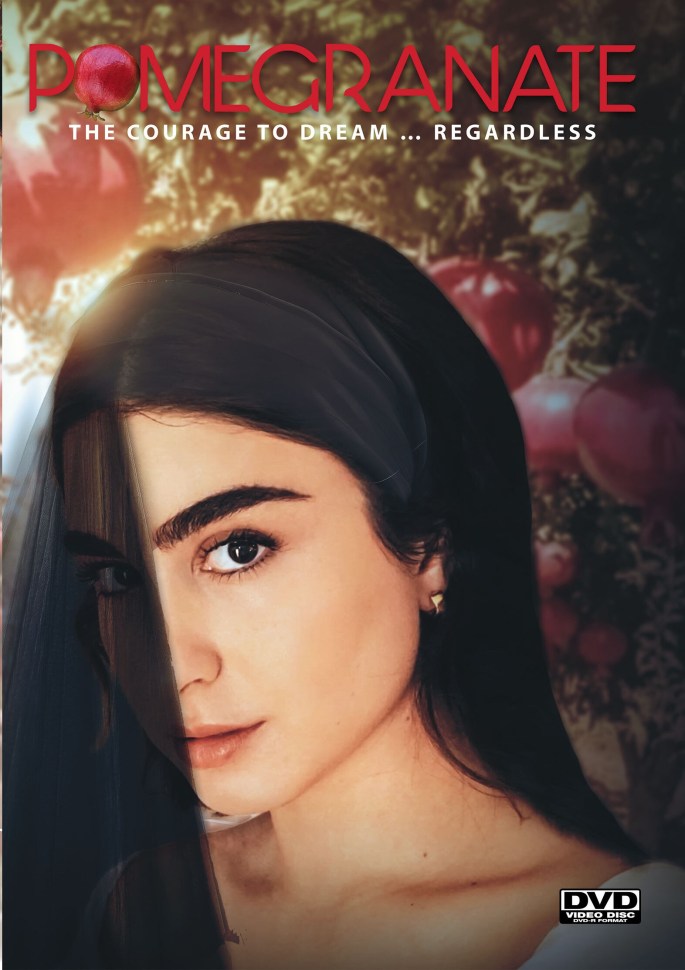
Recently, I had the honor of being interviewed by Daniel Rosenstein of Ultimate Energy Coach. It was a powerful conversation that delved deeply into topics close to my heart: my film Pomegranate, my Native American teachings, my journey of healing through shamanism, and the empowerment of women through film.

I believe that healing is important because once you heal certain tramas, you naturally become a healer to others—simply by being yourself. This truth resonates deeply with me, as healing runs through my lineage. My ancestors—my father, grandfather, and my great-grandmother Maria—were all healers. It’s a calling that has been passed down through the generations, and I feel privileged to walk this path.

Interestingly, our connection came through a mutual friend, and we discovered a fascinating coincidence: Daniel’s mother was born in Iraq and left during the 1948 Jewish Exodus. I was born in Iraq as a Chaldean (Neo-Babylonians who still speak Aramaic) and my family left due to the country’s unsettling and oppressive ways. This shared understanding of exile and roots created a deeper connection.

Seven Generations Back, Seven Generations Forward

One of the most profound topics discussed was the importance of honoring both the past and the future. Like Native American teachings, our culture emphasizes doing things “seven generations back and seven generations forward.” The blessings we experience today are the result of our ancestors’ actions, and what we do now will shape the lives of our descendants. This perspective has always been a guiding force in my life and my work.

Pomegranate and the Power of Story

During the interview, I reflected on my recent trip to Los Angeles for the premiere of Pomegranate. While driving through areas like Hollywood, I learned from Uber drivers about the diversity of these neighborhoods—home to significant Jewish, Persian, and Armenian populations. It struck me how the Jewish community is often said to “rule Hollywood,” and I thought: that’s not a bad thing. They understand the power of storytelling.

I often question why our own community doesn’t invest in storytelling. Why don’t we support the art of telling our stories, of humanizing ourselves through authentic narratives? Creative expression is healing, while destruction only leads to pain. And it’s not like we lack talent—while casting for Pomegranate, we received thousands of portfolios from incredibly talented Middle Eastern actors.

Breaking Labels and Finding Balance

Another key part of the discussion was about not putting labels on things. For example, shamanism is often misunderstood, yet it brought me closer to my Christian roots. After all, wasn’t Jesus a mystic, a healer, and someone who said, “You will do things greater than I”?

I also spoke about the importance of the men in my life who helped bring this project to life—my husband, who gave me the space to follow my dream, and incredible collaborators like Sam Sako, Scott Rosenfelt, Jamal Adams, Kevin Hewitt, and others. They stuck with this project and gave me strength when I felt like giving up.

This ties into one of the most valuable lessons I’ve learned from energy teachings: the importance of balancing the feminine and the masculine. Both energies are essential, and finding harmony between them is a cornerstone of healing.

Healing Through Creativity

Ultimately, our conversation came full circle to the idea that healing is inherently creative. By embracing creativity, we can transform not only ourselves but also the world around us. This is the heart of storytelling—connecting, humanizing, and healing.

I invite you to watch the full interview with Daniel Rosenstein here. Together, we explored the power of heritage, healing, and storytelling in ways that I hope will inspire you as much as they inspired me.

Pomegranate at the United States Naval Academy

A few weeks ago, my film Pomegranate was shown in a class at the United States Naval Academy as part of their engagement series. The film has been screened in many places, but this particular experience left a profound impact on me, not only because of the thoughtful questions and discussions that followed but also because of one student—a young woman with Palestinian roots who interviewed me afterward.

A Shared Mission to Change the Narrative

Our interview began with the usual questions about the film’s themes and creative process, but it quickly turned into a deeply personal conversation that extended far beyond the allotted time. She spoke about her desire to change the narrative surrounding the Arab world, to break down barriers and dispel the negativity that often dominates the discourse. I realized how much we had in common—not just in our aspirations but in the struggles we’ve faced as women of Middle Eastern backgrounds trying to tell stories that challenge stereotypes.

Both of us were deeply affected by the events of October 7. Beyond the violence, we felt the weight of stereotypes we’ve worked so hard to dispel being reinforced and amplified. It’s disheartening to see how much of the Arab-American experience is overshadowed by narratives that don’t represent us. Those who don’t share mainstream views are often silenced, left to endure images and stories that perpetuate division rather than understanding.

The Stories They Don’t Want You to Hear

When I think about my time in Ramallah many years ago, I don’t recall the conflict as much as I remember the warmth of the people, the humor, the hospitality in every home, and the love that flowed freely between neighbors. I even remember the playful flirting between handsome Israeli soldiers at checkpoints and beautiful Palestinians—a moment of humanity in the midst of tension.

These are the stories people don’t want to hear, the ones that don’t fit the divisive narratives. They don’t make headlines because they don’t serve the agendas of those who profit from conflict. And unfortunately, even within our own communities, there are challenges. Whether it’s extremists canceling a book talk about Pomegranate or others refusing to support a screening because the film promotes the idea of women making choices, it’s clear that some are more invested in controlling narratives than fostering dialogue.

But for every roadblock, there’s someone like that young woman at the Naval Academy, whose passion and praise for the film reminded me why I do what I do. She called Pomegranate a beautiful and courageous movie, and applauded me for the work. Her words stayed with me long after our conversation ended yesterday.

Embracing the Positive Feedback

For decades, I’ve faced pressures from all sides. Non-Middle Easterners have encouraged me to write stories that “sell,” focusing on sensational topics like honor killings. Meanwhile, some Middle Easterners have expected me to mask our stories, pretending that our issues don’t exist. Neither approach has served us.

Instead, I’ve chosen to focus on the beauty and authenticity of our stories, and the feedback I’ve received from audiences, such as for Pomegranate, has been overwhelmingly affirming.

From non-Middle Eastern viewers:

  • “This is a genius movie.”
  • Pomegranate is a very courageous and timely production.”
  • “I was on the edge of my seat throughout the entire film. The comedic relief was done perfectly and didn’t take away from the seriousness of the story.”
  • “This was a strong movie, with strong characters.”

From Middle Eastern viewers:

  • “I liked the way you brought the sensitive topics in an open-ended and elegant way. It wasn’t how other Arabic movies try to politicize such topics.”
  • “The story was perfect. The characters were perfect. The cinematography was perfect. The editing was perfect. The music was perfect. Everything was different. Don’t change any of the team in part two.”

Moving Forward

If Pomegranate has resonated with even one person, like that young woman at the Naval Academy, then it’s all worth it. For her and for others who have commended the film, I will continue to tell stories that celebrate the humanity, love, and resilience of our communities.

The journey isn’t easy, but it’s necessary. In a world that often seeks to divide, I’ll keep focusing on the beauty and complexity of our shared experiences, breaking down barriers one story at a time.

Pomegranate, which has won over 40 international awards, is streaming in 25 countries. You can click here to find out where to watch it

My Experience at Wayne County College District’s International Women’s Day Event

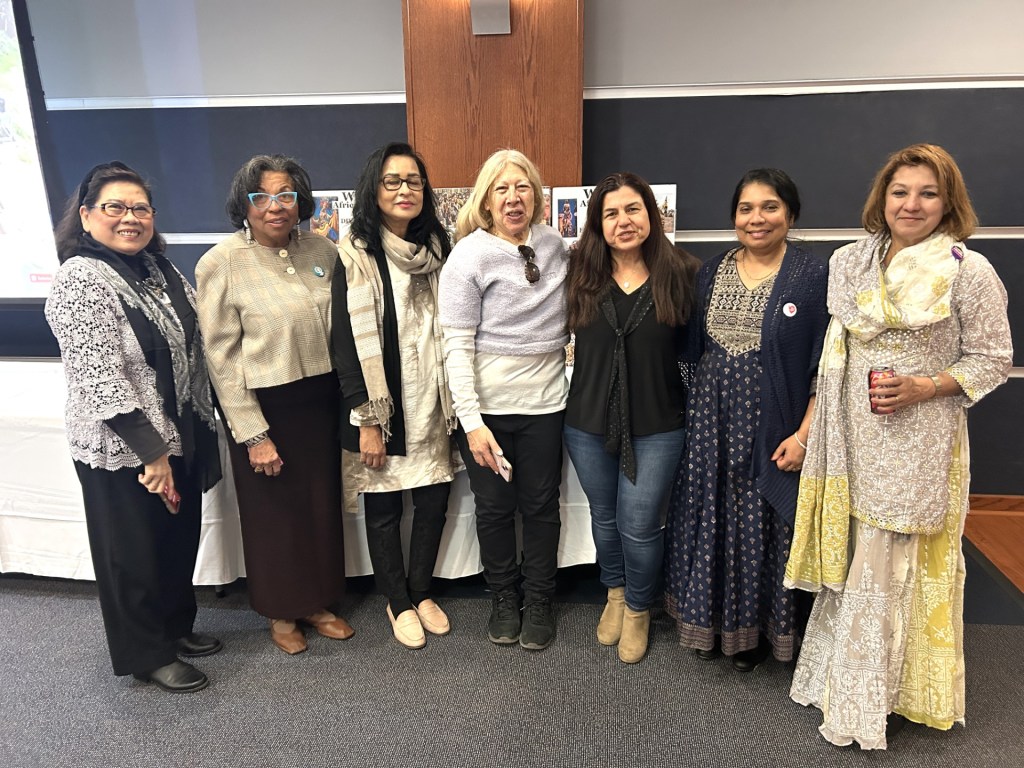
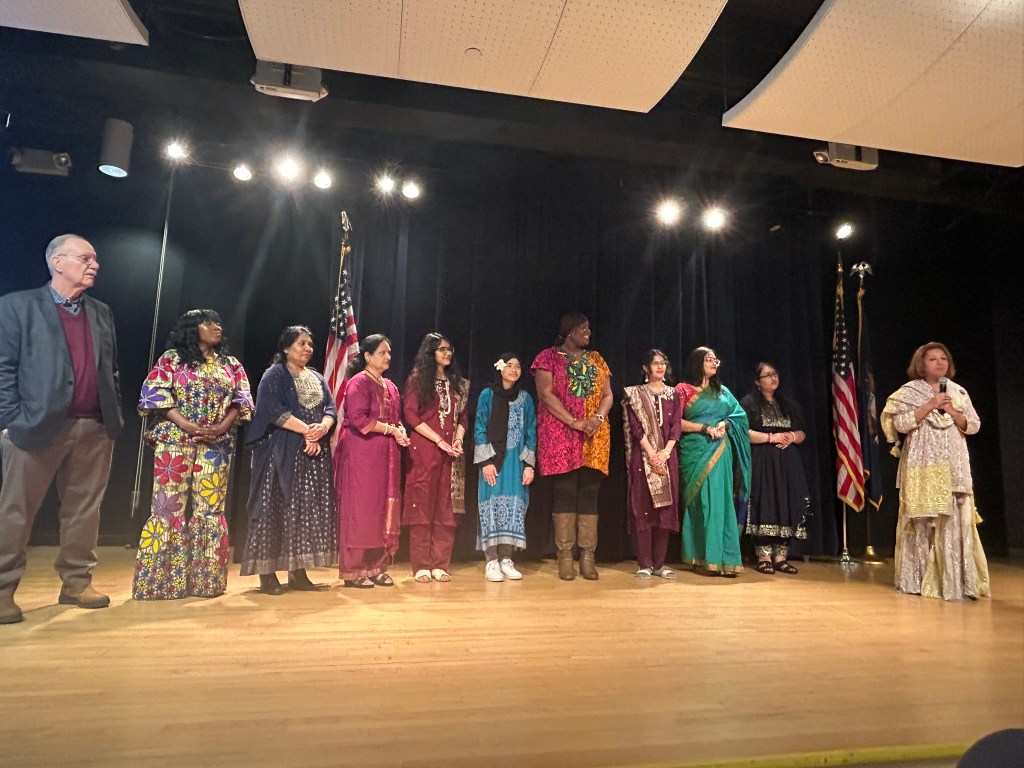
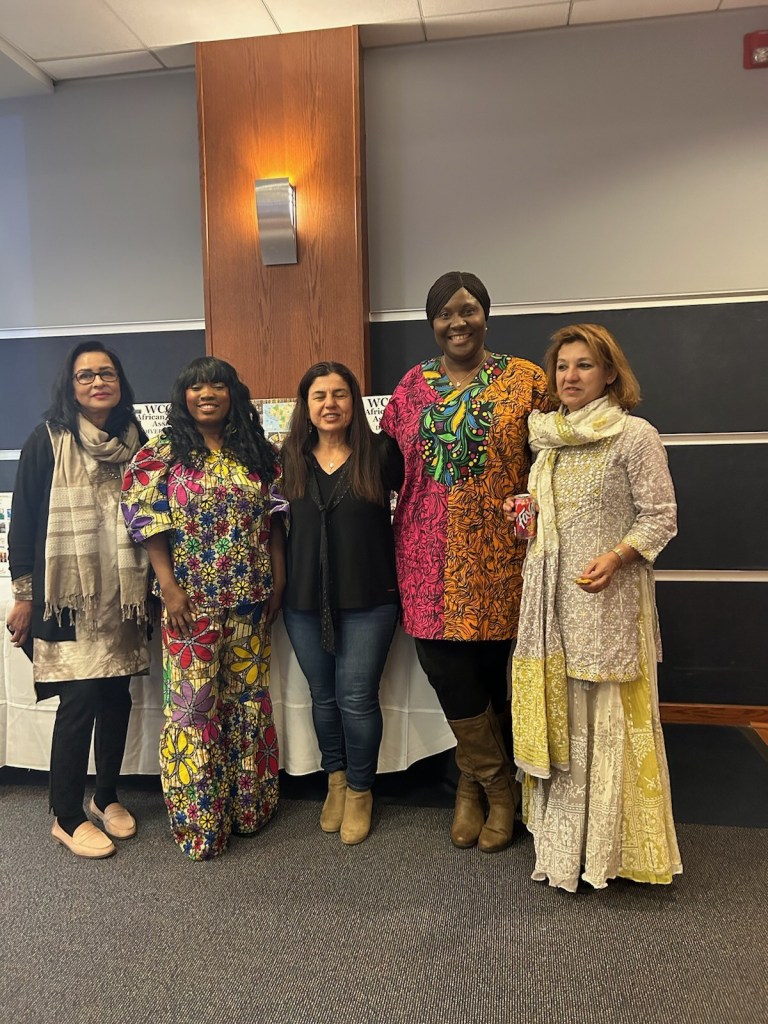
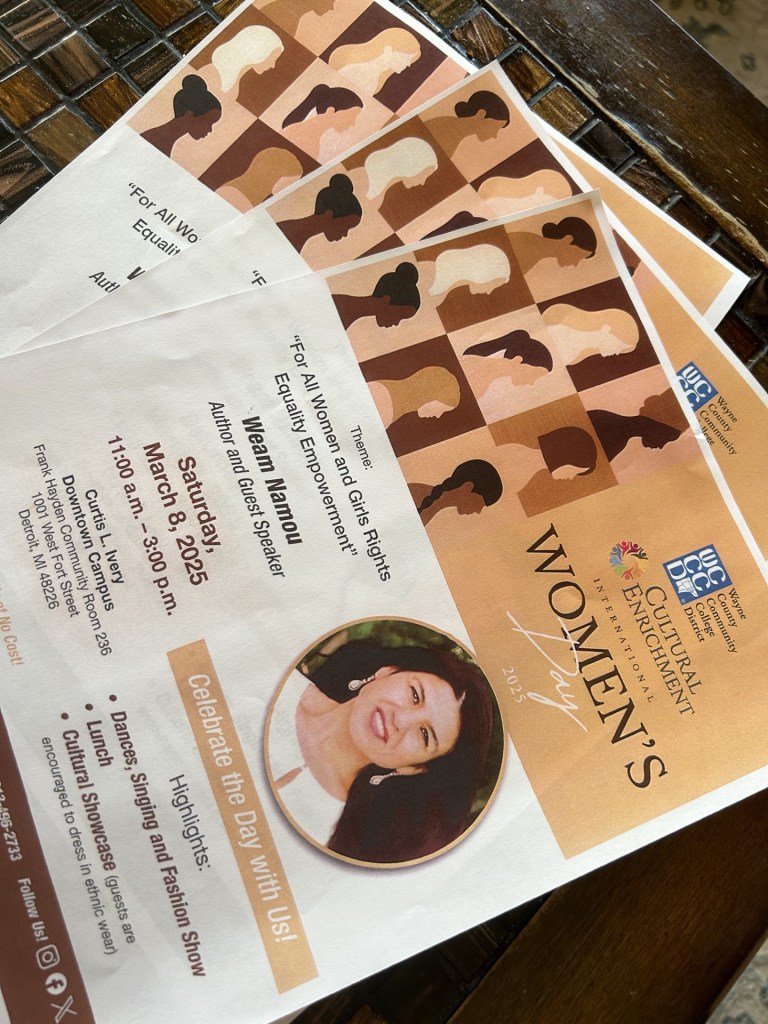
On Saturday, March 8, I had the honor of being the guest speaker at Wayne County College District’s Cultural Entrenchment event held at the Curtis L. Ivery Downtown Campus. This special gathering, coinciding with International Women’s Day, was a celebration of women’s rights, equality, and empowerment—a theme that resonates deeply with my life’s work and the spirit of my film, Pomegranate.

I want to extend my heartfelt thanks to Fidelis Teresa D’Cunha, Ph.D., for inviting me to speak at this wonderful event. It was a privilege to share my journey and connect with so many inspiring women from around the world.

The event was nothing short of extraordinary. Guests from around the world came together to celebrate their cultures, their journeys, and their shared hopes for a more equitable future. The day was adorned with vibrant Indian dance performances, a stunning fashion show, and a delicious lunch—a feast for the senses. Many attendees wore their ethnic attire, a beautiful reminder of the rich cultural diversity that makes gatherings like this so meaningful.

As I mingled with women from India (Kerala), Pakistan, Nigeria, Libya, Latin America, and beyond, I was struck by how much we share, despite the differences in our origins. One of the most fascinating discoveries of the day was meeting Christian women from regions like Pakistan. Their stories mirrored mine in surprising ways. Like me, they belong to a minority faith in their birthlands, and their narratives of perseverance and resilience felt deeply familiar.

We also discussed an interesting pattern we’ve observed in the United States: while many of us were minorities in our homelands, we now find ourselves part of a rich mosaic of cultures and communities here. In this way, the event was not only a celebration but also a moment of reflection on the strength and beauty of our shared experiences.

One of the highlights of the day was my interview with Professor Bruce Ewen, who delved into the journey of Pomegranate—the challenges, the themes, and the heart of the story. This was especially poignant as the film had just been released four days prior, on March 4, to 25 countries during Women’s History Month. To speak about the film in the context of an event celebrating women’s empowerment felt like coming full circle.

Pomegranate is a story that unites through love and beauty, offering a message of hope in a world often marked by division. It’s a film born from my own experiences and the stories of many others, reflecting the resilience of women who navigate the complexities of identity, tradition, and belonging.

If you haven’t had the chance to watch Pomegranate yet, I encourage you to do so—and tell your friends, too! Your reviews on platforms like Rotten Tomatoes, IMDb, and Letterboxd can help amplify the voices of indie films and bring stories like ours to the forefront. Here’s a list of where the film is playing https://www.freestyledigitalmedia.tv/film/pomegranate/

As I reflect on that beautiful day, I am filled with gratitude for the opportunity to share my journey and connect with so many incredible women. Together, we celebrated not just our individual cultures, but our shared humanity. That, to me, is the true essence of International Women’s Day.

Let us continue to champion the rights, equality, and empowerment of women and girls everywhere.

With love and gratitude,
Weam Namou

Chaldean Mysticism and Universal Wisdom

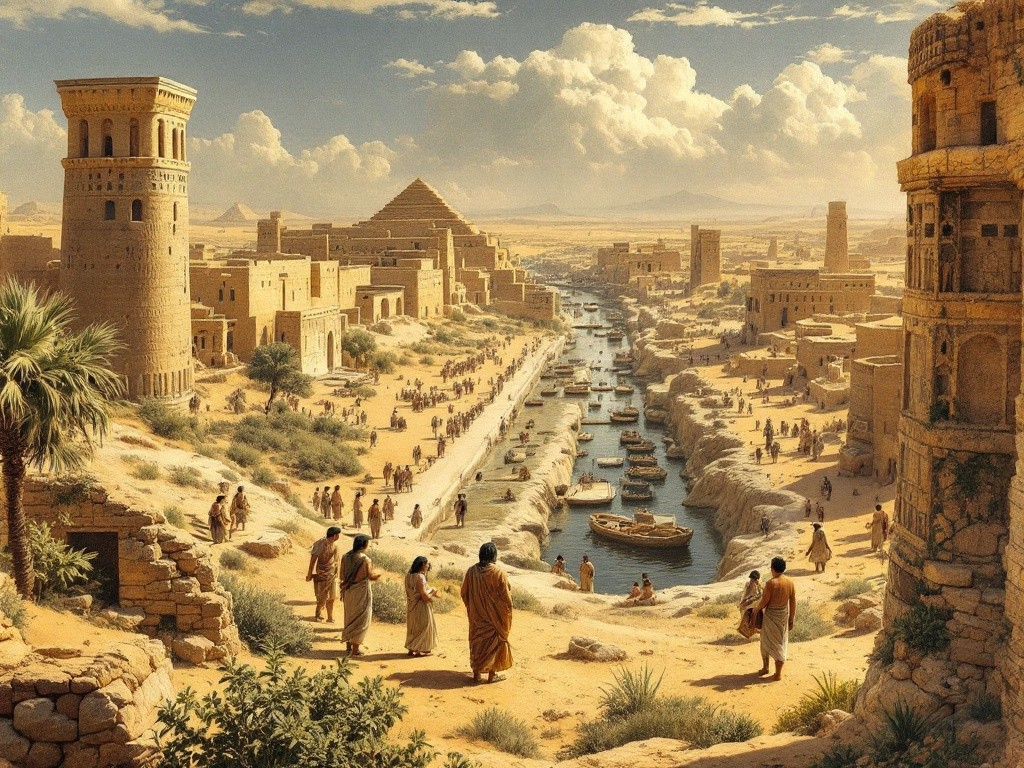
In a world that often equates opulence with material wealth, it is essential to remember that true opulence transcends the physical. It is about the richness of our connection to the divine, the depth of our understanding of universal laws, and the ability to live in harmony with the sacred forces that govern existence. As a Chaldean, I am deeply inspired by the ancient wisdom of my ancestors, who were renowned as astrologers, astronomers, mathematicians, and magicians. Their knowledge was not merely intellectual—it was soulful, mystical, and transformative.

The Legacy of Chaldean Wisdom

The Chaldeans, also known as the Neo-Babylonians, were pioneers in understanding the mathematical and cosmic principles that underpin the universe. According to Rhonda Byrne in The Secret, “The ancient Babylonians and their great prosperity have been well documented by scholars. They are also known for creating one of the Seven Wonders of the World, the Hanging Gardens of Babylon. Through their understanding and application of the laws of the Universe, they became one of the wealthiest races in history.”

This profound legacy speaks to the Chaldean mastery of universal laws, which they saw not as abstract concepts but as living truths that could be applied to every aspect of life. They understood the sacred geometry of the cosmos, the rhythms of the stars, and the balance of energies that govern existence. Their wisdom was both scientific and spiritual, rooted in a deep reverence for the divine order.

Spiritual Opulence: A Modern Perspective

My teacher, Lynn V. Andrews, often spoke about “spiritual opulence,” a state where sacred wisdom becomes accessible to everyone, inviting us to connect deeply with the divine—however we define it. She described this era as the “time of the magical eye,” a moment in history when the veil between the physical and the spiritual is thinner than ever. In this time, nothing stands between us and the Great Spirit, God, Goddess, or the creative source of all beauty and abundance.

Spiritual opulence is about tapping into this divine connection and allowing it to transform every facet of our lives. It is not limited to religious practices or rituals; it is a way of being that integrates the mystical with the mundane. It is seeing the sacred in the ordinary and recognizing that the same universal laws that govern the stars also govern our thoughts, actions, and relationships.

The Science of Mysticism: Chaldean Contributions to Modern Understanding

The Chaldeans’ contributions to science and mysticism are a testament to their understanding of the universe as a unified whole. Their advancements in mathematics and astronomy were not separate from their spiritual practices; they were tools for understanding the divine order. For example:

  • Astrology and Astronomy: The Chaldeans were among the first to map the heavens, recognizing the influence of celestial bodies on earthly events. They saw astrology not as superstition but as a science that revealed the interconnectedness of the cosmos.
  • Mathematics: Chaldean mathematicians developed sophisticated systems for measuring time and space, including the 360-degree circle and the concept of zero. These innovations were rooted in their understanding of balance and harmony, principles that are essential to both mathematics and spirituality.
  • Magic and Mysticism: For the Chaldeans, magic was not about illusions or tricks—it was the art of aligning oneself with universal laws to manifest desired outcomes. This mystical practice was grounded in their deep knowledge of energy, intention, and the power of the human mind.

These ancient teachings remain profoundly relevant today. They remind us that the universe operates according to principles that are both scientific and spiritual, and that by understanding and applying these principles, we can create lives of abundance, harmony, and purpose.

An Invitation to Reflect and Connect

As I prepare to lead a retreat inspired by Lynn V. Andrews’ teachings and my Chaldean heritage, I invite you to reflect on the concept of spiritual opulence. Ask yourself:

✨ What does “spiritual opulence” mean to you?
✨ How do you experience connection with the divine in your daily life?
✨ What ancient wisdom or personal practices help you align with the universal laws of abundance and harmony?

This retreat is an opportunity to explore these questions together, blending the mystical teachings of my ancestors with the sacred wisdom of modern spirituality. It is a chance to step into the “time of the magical eye,” where nothing stands between us and the divine, and where we can co-create lives of beauty, creativity, and sacred abundance.

Let’s continue this journey of discovery, honoring the wisdom of the past while embracing the possibilities of the present. Together, we can embody the true meaning of spiritual opulence and align ourselves with the infinite potential of the universe.

💖 I look forward to exploring this sacred path with you. Click here to learn more!

Retreat: Self Love & Spiritual Opulence

Dear Friends,

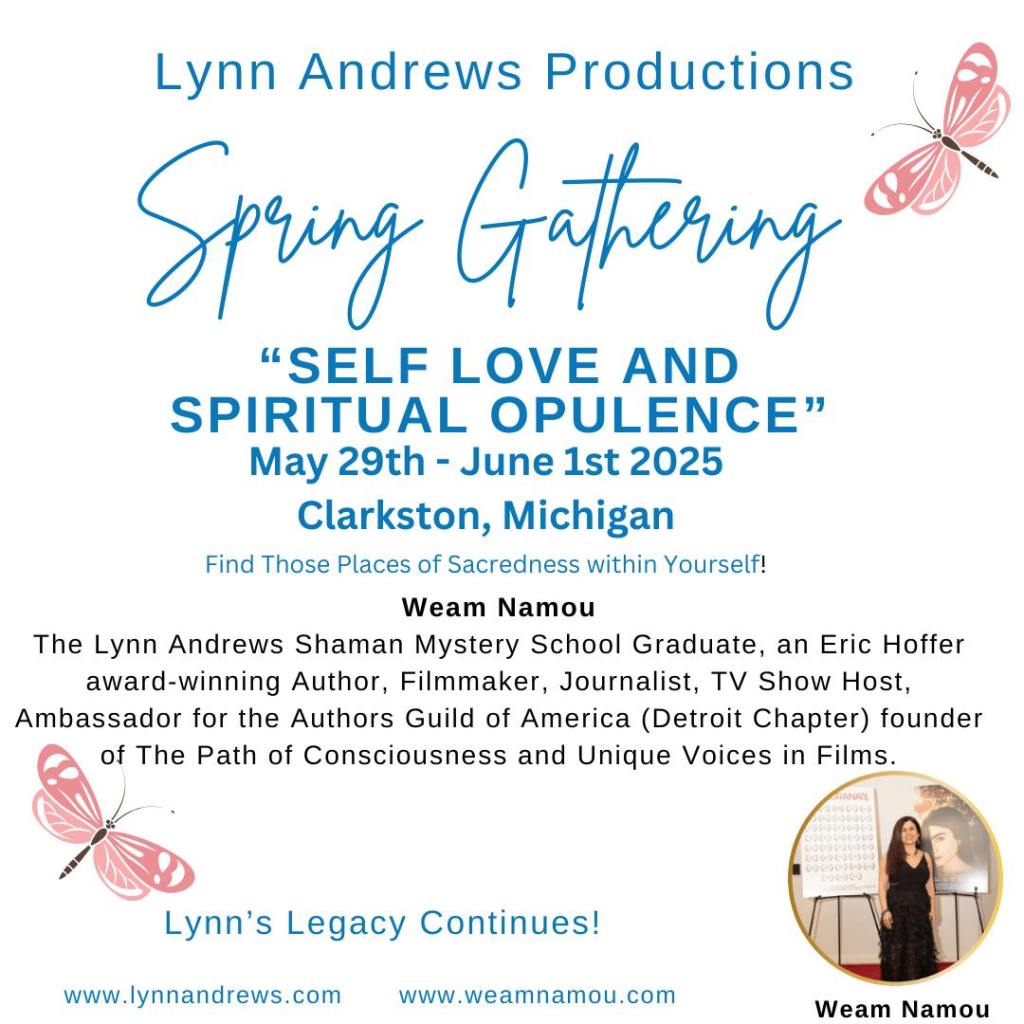
After years of hosting The Path of Consciousness Retreat—a space for profound transformation and connection—I’m thrilled to announce a new chapter in this journey. This year, I have the honor of leading Self Love & Spiritual Opulence, a Lynn Andrews retreat, at the beautiful Colombiere Retreat Center, from May 29 to June 1, 2025.

This announcement feels especially meaningful today, as it’s my teacher Lynn V. Andrews’ birthday in heaven! I’m deeply grateful for all I’ve learned from her and her mentors—ancient teachings that have brought me closer to my own heritage and spiritual path. Lynn’s work has shaped my life in countless ways, and it’s a privilege to now share her teachings in this sacred gathering.

Self Love & Spiritual Opulence invites you to embark on a journey inward, to uncover the sacred space within—the “temple” and “lodges” of your heart. Together, we’ll quiet the mental chatter that obscures your true self, reconnect with your innate worthiness, and rediscover the awe and beauty of the universe. This is not about adopting rigid beliefs, but about diving into their deeper essence—into that universal unity where all things come together.

We’ll explore the sacred void, that profound connection to the Great Spirit, which each of us carries in our own unique way. Our time together is focused on helping you find your personal gateway to fully experience this divine relationship, surrounded by beauty, wisdom, and love.

One of the most special parts of this retreat will be the Cave of Mother Wisdom Dream Lodge, a sacred space prepared for this teaching. There, you’ll experience a guided meditation created by Lynn herself, immersing yourself in the energy of her voice and her profound wisdom.

This retreat is a continuation of the sacred work I’ve done in years past, but it also feels like something entirely new—a chance to honor Lynn’s teachings while stepping forward as a leader in this tradition. It’s a joy to gather again after the long pause brought by COVID and to share this transformative experience with you.

I hope you’ll join me for this incredible journey of self-love and spiritual opulence.

Click here for details and registration! https://lynnandrews.com/pages/spring-gathering-2025-in-michigan-details

With love and gratitude,

Weam

And remember to watch my recently released film, Pomegranate! https://www.freestyledigitalmedia.tv/film/pomegranate/

Women Reshaping Middle Eastern Narratives: Pomegranate

March is Women’s History Month—a time to celebrate the achievements, resilience, and creativity of women around the world. This year, International Women’s Day (March 8) feels particularly inspiring as it coincides with the recent release to 25 countries of Pomegranate, a groundbreaking film that hit theaters on March 4. The film is not just a cinematic masterpiece; it’s a bold statement about women reclaiming and redefining Middle Eastern narratives.

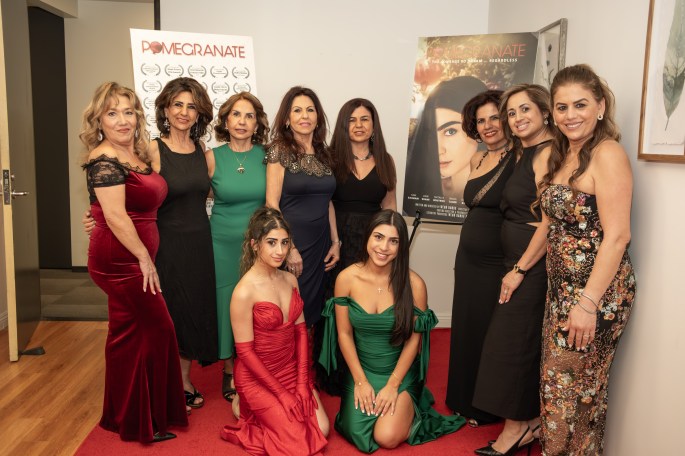
Before its wide release, Pomegranate had its exclusive premiere in Los Angeles on February 27, bringing together cast, crew, and supporters for a night of celebration. As someone who attended the premiere, I was struck by the energy in the room—a shared excitement for a film that promises to transform how Middle Eastern women’s stories are told. From the red carpet to the post-screening discussions, it was clear that Pomegranate is much more than a movie—it’s an inspiring movement.

At its core, Pomegranate is a story that centers women’s voices, their struggles, and their triumphs. The film explores themes of identity, resilience, and the power of storytelling. In an industry—and a world—that often sidelines women’s perspectives, especially in Middle Eastern contexts, Pomegranate breaks barriers by putting women at the forefront.

Click below to see where you can watch the film in 25 countries!

The Power of Representation

The Middle East has long been portrayed through a narrow lens in global media, often shaped by stereotypes that fail to capture the region’s rich diversity and complexity. Pomegranate challenges these depictions by offering a story rooted in authenticity, told through the eyes of women who refuse to be silenced.

The film is not only a celebration of Middle Eastern culture but also a reminder of the universal struggles women face and overcome. By focusing on female protagonists navigating personal and societal challenges, Pomegranate humanizes their experiences in a way that resonates across borders.

Why Pomegranate Matters

Released during Women’s History Month, Pomegranate is a timely reminder of the importance of women’s voices in shaping cultural narratives. The film’s release on March 4 is symbolic—it ties into a month dedicated to honoring women’s contributions throughout history, while also urging us to reflect on the work that still needs to be done for gender equality.

International Women’s Day, celebrated today, reminds us of the global fight for women’s rights and representation. Pomegranate amplifies this message by showcasing how women can redefine the stories told about them—and by them.

A Call to Action

The release of Pomegranate is more than just a cinematic event; it’s a call to support women storytellers and creators. As audiences, we have the power to shape what stories are told by choosing what we watch, share, and celebrate. Films like Pomegranate remind us that representation matters—and that when women take control of their narratives, the world listens.

This Women’s History Month, let’s celebrate the women who are changing the face of storytelling. Let’s amplify their voices, honor their stories, and continue pushing for a future where every woman’s perspective is valued.

If you haven’t yet seen Pomegranate, make it a priority this month. It’s more than a film—it’s a movement.

Happy International Women’s Day!

Pomegranate: A Dream Realized

After ten years of dreaming, creating, and persevering, my feature film Pomegranate will finally be released on March 4th to audiences across 25 countries. This is not just a release—it is the realization of a vision that has grown and transformed over a decade. Pomegranate is a story of identity, resilience, and cultural connection, brought to life through the voices of women, and I couldn’t be more grateful to share it with the world.

As I reflect on this journey, I am reminded of the wisdom held in the changing seasons.

Winter is the season of stillness, a time when the earth rests beneath its frost-covered blanket. It is the quiet between breaths, a sacred pause where we are invited to retreat inward and reflect on the landscapes of our lives. What have you built with your hands and heart?

Winter is the keeper of wisdom, asking us to take stock of what we have planted and nurtured—what has bloomed, what has withered, and what awaits the kiss of spring’s warmth to awaken. It is a time to cradle your accomplishments gently, to honor the path you’ve walked, and to ready yourself for the season of renewal that lies ahead.

In this quiet season, may you find beauty in the stillness, peace in the shadows, and love in the sanctuary of your soul. May you emerge from winter’s dreamscape into the golden light of spring, renewed and alive with all that you have become. Stand where you are, take in the horizon, and know that from this place, anything is possible.

As Pomegranate makes its way into the world, I carry with me the lessons of the seasons—of patience, of resilience, and of the endless potential for new beginnings.

With heartfelt gratitude,
Weam Namou

(Pomegranate will be released on March 4th in 25 countries. Stay tuned for updates and screening details!)

The Oneida Man – My Native American Friend

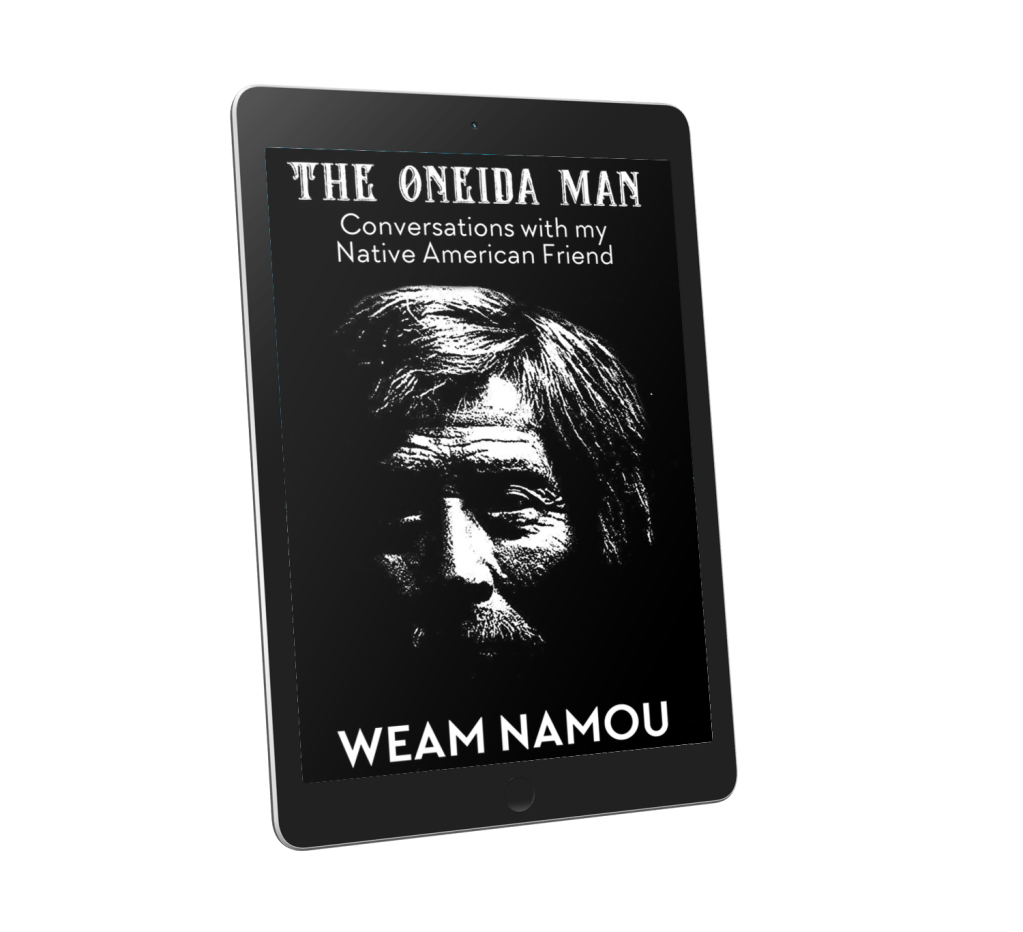
An old friend, the Oneida Man, and I share Indigenous heritage, which inspired my book about our engaging conversations. It’s available for FREE until December 3rd.

November is a time to honor the rich cultures, histories, and contributions of Indigenous peoples.

As a Chaldean, I recognize the unique languages, traditions, and deep connections to ancestral lands shared by all Indigenous people, including various groups from Mesopotamia, modern-day Iraq.

This book celebrates and uplifts these voices together.

Get your FREE copy here https://a.co/d/5Euvtpy

Here’s an excerpt from the book:
I found him peculiar, but yet, when he talked, he said in
triguing things. Some things I jotted in my journal. Others I
added later in my books, and others I turned into published
poems. One such poem is Love, Justice, and Turtle Soup

Love, Justice, and Turtle Soup

A Native American man with long hair
walked into my place of business one day
and verbally handed me a recipe,
though I did not cook at the time –
and now that I do cook, I doubt
I could follow the instructions he gave to me,
though I’ll never forget the recipe.

He said, nonchalantly:
“If you want to make homemade turtle soup, you have to be careful and you must wait..
You’d want to catch a sea turtle because you get thirty or more pounds of meat from it – depending on weight. You need help too. A couple of men would do, to place the turtle inside a garbage barrel filled with fresh water. Close the lid and leave it there to starve.
It sounds brutal, I know, but there’s no other way to do it if you want to have homemade turtle soup. Sea turtles can live up to a hundred years, so it takes a while for them to die. If someone tried to slaughter them, they’d release a poison into their system that would kill anyone who ate from it. One must therefore keep the area surrounding the garbage barrel quiet so the turtle doesn’t think it has been caught by anyone but itself….
Turtles have a bad memory and will forget they were trapped.”

People trap each other like that and call it love.

Elephants, on the other hand, don’t forget.
If someone tried to hurt them, they come back in a hundred years to step on them.

People avenge each other like that and call it justice.

Chaldean – Kabbalah Connection

Good autumn morning,

I’m watching the tree leaves and metal chimes dance to the wind as I sit at my computer and begin my next book. My children are off to school, my husband is at work, and my dog is still sleeping. The house is quiet, and the tea is hot. I normally drink coffee but I’ve got a sore throat that needs some healing.

It has been a while since I wrote in my blog, and I miss it. It’s wonderful to be busy with wonderful things, but it can also be exhausting. So, I will try to slow down and spend more time writing in my blog as I listen to the leaves and metal chimes dance to the wind.

I’m remembering my teacher, Lynn V. Andrews, who passed away in 2022, and how her spirit recently interacted with me. Someone from Lynn’s four-year Mystery School reached out to me about participating in a summit called “From Silence to Mastery” which takes from November 14 to 20 (the information for this free event is below)

The summit is led by Daniel Rosenstein, a life-coach and healer. When I met with him, I learned that his Jewish mother was born in Baghdad and had to leave Iraq during the 1948 forced deportation. I was born in Baghdad, and we had to leave the country in 1980 for political and religious reasons. Daniel and I quickly realized that Divine Providence had brought us together.

Daniel had learned about the Chaldeans from Kabbalism. For instance, Chaldean and Kabbalistic numerology are ancient systems of divination and self-exploration that offer profound insights and the potential to reveal hidden truths about ourselves and the universe.

Noblewoman Helena Petrovna Blavatsky, in her “Theosophical Glossary” entry for “Kabalist” explains that Kabala is an unwritten or oral tradition and that the kabalist is a student of “secret science,” identical with that of the Chaldeans, and includes at the same time much of the Persian wisdom, or “magic” . . . Some show it as coming from the Biblical Patriarchs, Abraham, and even Seth; others from Egypt, others again from Chaldea.”

In “The Secret Doctrine Dialogues” (p. 498) she says “In the Chaldean Kabbalah, in the Book of Numbers, you have the wisdom of the Hebrew initiates . . . The Chaldean Kabbalah, moreover, the Book of Numbers, agrees perfectly with the eastern arrangement, and disagrees with the present orthodox Kabbalah in its diagrams. . . . I had a rabbi who had the real Book of Numbers – and there is another; I have only seen two in my life, and I don’t think there exist more. He had fragments of the Chaldean Kabbalah.”

“We have asked of the secret doctrines of the Chaldeans, of the Egyptians, of the Hebrews, the secrets of the transfiguration of dogmas.” In his ” Histoire de la Magie,” p. 5, Eliphas Levi writes also : ” The key of knowledge has been abandoned to children, and as was to be expected, this key is mislaid and as good as lost.”

Daniel and I talked about the Tree of Life, its powerful symbol found in various religious, philosophical, and cultural traditions, and how we’re all from the same source, but use different terms to describe the same thing; ie, Energy, God, Universe, Spirit. People demonize what they don’t understand and spend so much time arguing and fighting about things when we’re all from the same Source.

Please use this link to register for From Silenced to Self-Mastery” Virtual Summit: Click here to Register for the Free Summit

You can catch my Interview on November 14th.

From Silence to Self-Mastery Summit, happening from November 14th to November 20th. This event is a unique opportunity to dive deep into powerful insights, tools, and strategies from some incredible experts to help you unlock your true potential and embrace self-mastery.

Each day of the summit, you’ll receive access to 4 new video interviews featuring inspiring speakers, each sharing their transformative journeys and personal tools for growth. And each speaker is offering a special free gift exclusively for summit attendees!

Happy International Women’s Day ❤️

Dear readers,

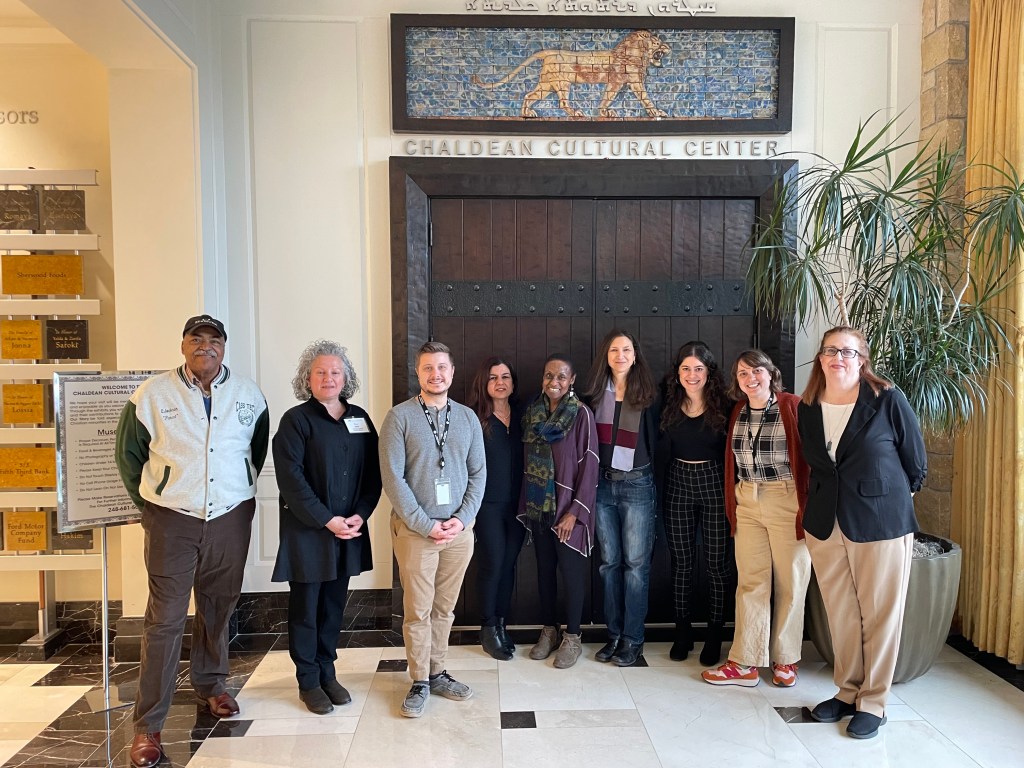
Today the Detroit Historic Designation Advisory Board visited the Chaldean Cultural Center! It was a wonderful visit that included a tour of the Chaldean Museum, beautiful dialogue, and of course chai and tekhratha (meat and cheese pastries)!

The board is using Underrepresented Communities Grant from the park service to fund an historic property survey of Detroit sites related to Arab and Chaldean community history. Based on community feedback, a site related to Arab and Chaldean history will become a listed place in the National Register.

During the tour, I shared with them, as I share with everyone who visits the museum, the story of Enheduanna, the first writer in recorded history. The daughter of King Sargon, she was a princess, priestess, and poet. I also shared the story of Gula, the goddess of healing, and Ninkasi, the goddess of beer, and the list goes on and on, and all are included in my book Mesopotamian Goddesses: Unveiling Your Feminine Power.

“Have you posted about these women today?” a lady asked. “It’s International Women’s Day!”

“No, I haven’t,” I said.

“You should!”

“Women were oppressed for a long time, and men were not,” another women else said. “That’s why there isn’t a day designated for men..”

So, here I am, for the first time in five months, writing a blog post, a post to give gratitude to and honor all the women in my life who have raised and supported me. To recognize the women of ancient times which history tried to silence. To be thankful for living in a time and place where people want to hear and uplift the voices of women, those living and those of our past.

To learn more about Mesopotamian Goddesses, click here: