Sharing My Chaldean American Story at the Charles H. Wright Museum of African American History

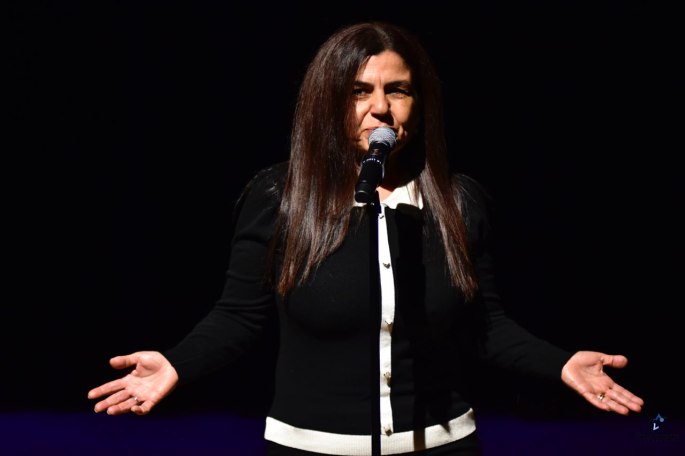
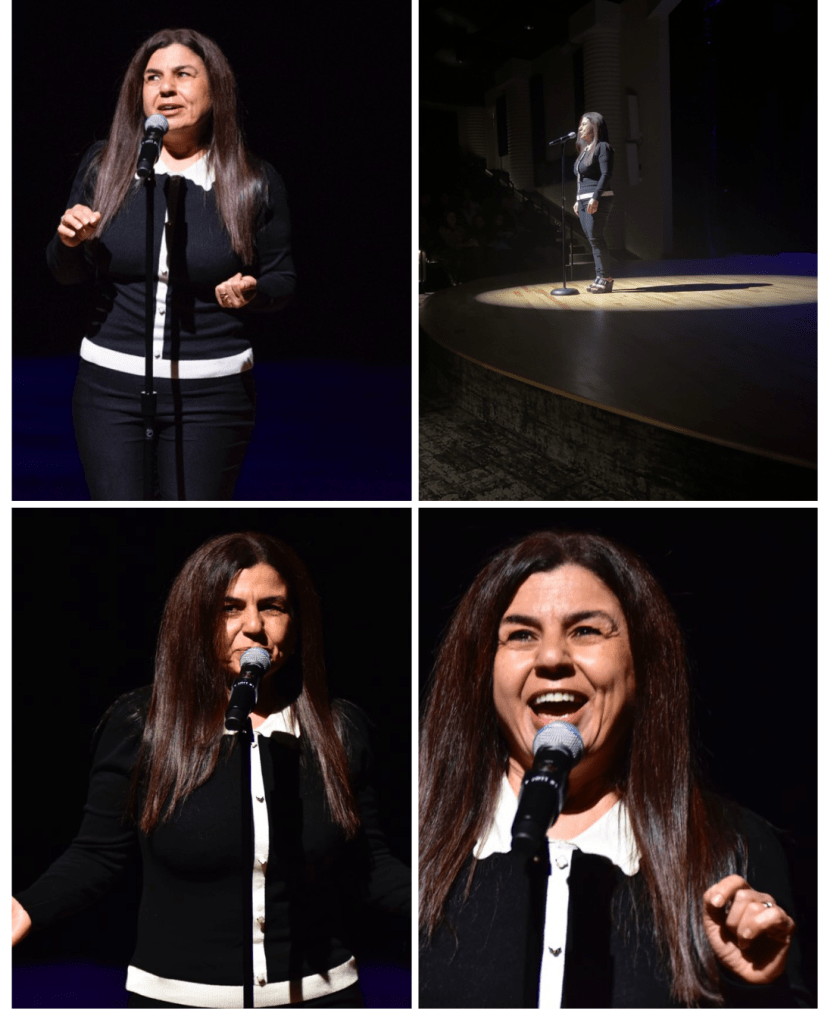
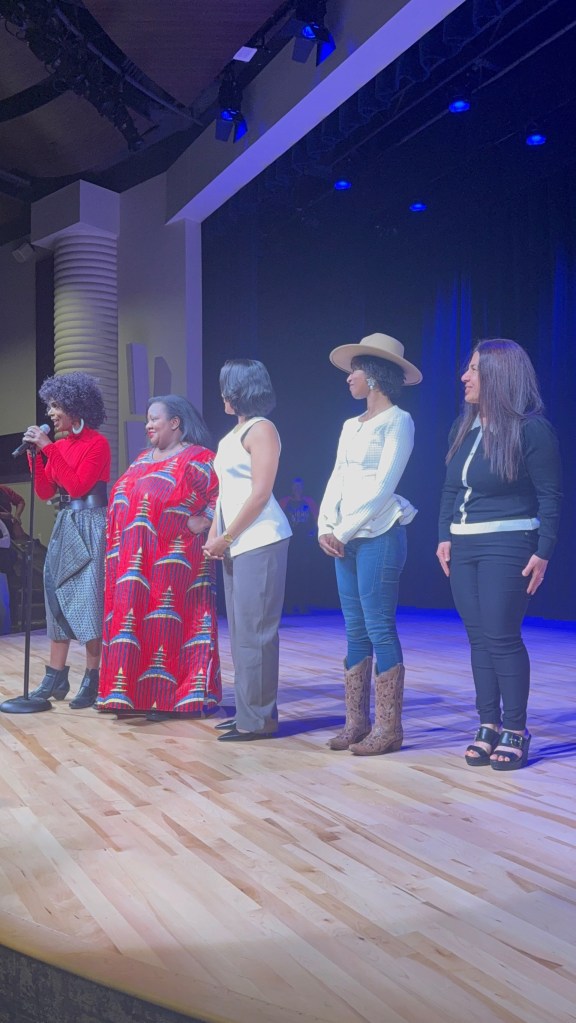
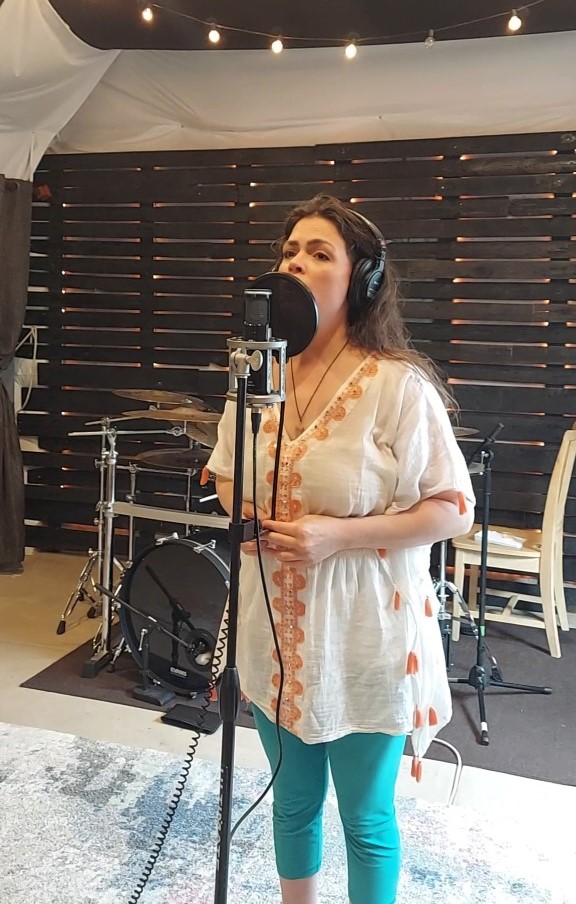
On March 21, 2025, I stood on the stage of the Charles H. Wright Museum of African American History, ready to share my story as part of The Secret Society of Twisted Storytellers (TSSOTS). This event, hosted by the visionary Satori Shakoor, was a powerful celebration of Womenโ€™s History Month. It was an evening of courage, vulnerability, and connection, where stories from diverse backgrounds came alive in front of an audience that was nothing short of extraordinary.

I brought my Chaldean American story to the stage, sharing what it was like to grow up in Iraq. I spoke about the day my school principal slapped me so hard for missing one of Saddam Husseinโ€™s parades that I passed out. That slap wasnโ€™t just a moment of physical painโ€”it was a symbol of the fear and oppression that permeated life in my homeland. It also marked the beginning of my journey toward reclaiming my voice and my power.

At one point, as I spoke about my mother and emotions overwhelmed me, I had to pause. The audience didnโ€™t just sit silentlyโ€”they held me in that moment. One woman later told me that she wanted to leave her seat, come on stage, and hug me. I felt everyoneโ€™s support, their unspoken hugs wrapping around me as I gathered myself and continued.

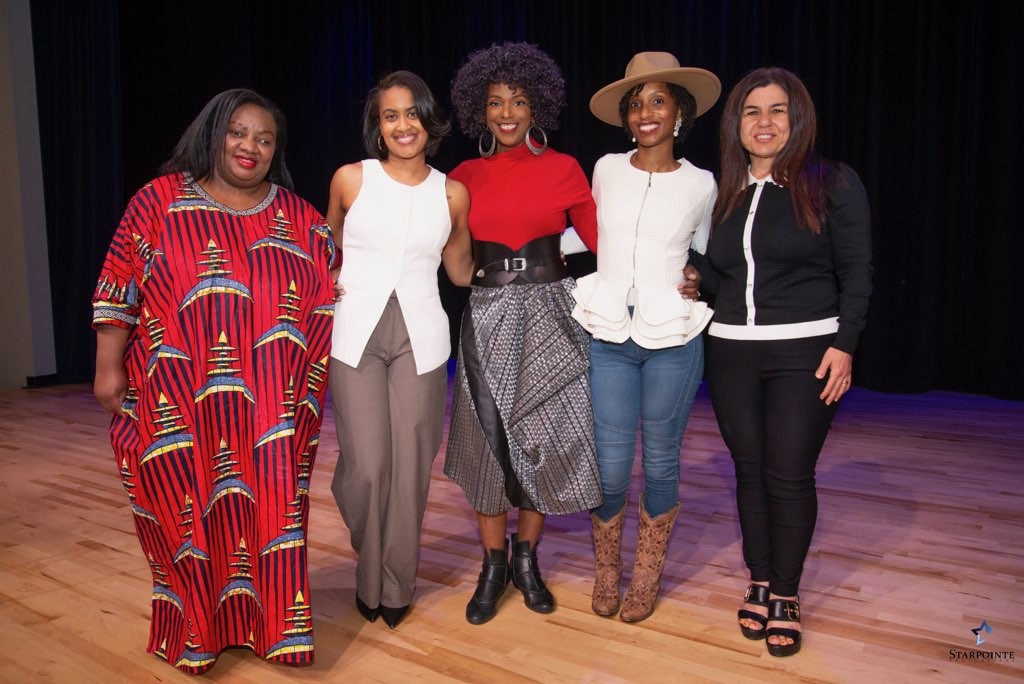
The evening wasnโ€™t just about my story, though. It was about the collective power of storytelling. I was honored to share the stage with three phenomenal women:

  • Ciera Estelle, who spoke about her journey from advocating for a bullied classmate as a young girl to becoming an educator who teaches the importance of speaking up. Her message was a powerful reminder that silence can make us complicit in injustice.
  • Tuyishime Claire Gasmgera, who offered a unique perspective on feminism from her experiences in Rwanda. She challenged Western ideas of feminism, advocating for a broader definition that empowers women to make their own choices, whether thatโ€™s activism or caring for their families. In her case, she went from hating being in the kitchen to loving it!
  • Faith Brown, whose heart-wrenching story left no one in the room untouched. As the author of The Monster that Killed His Family Twice: The Faith Green Story, she shared the unimaginable tragedy of losing her four children to her husbandโ€™s violence. Her strength was a testament to the resilience of the human spirit.

Together, we shared stories that transcended cultures and continents, united by themes of resilience and transformation.

An Extraordinary Audience

The audience that night was unlike any Iโ€™ve ever encountered. They werenโ€™t just watchingโ€”they were with me, every step of the way. Their attentiveness, their warmth, and their energy created a space where I felt safe to share even the most vulnerable parts of my story.

After the event, many came up to me to express their support. Some hugged me, others shared their own reflections, and one woman said, โ€œI felt every word you spoke.โ€ It was humbling to see how my story resonated, and it reminded me of the profound connection that storytelling can create.

The Power of Listening

What made this night truly special wasnโ€™t just the storiesโ€”it was the way the audience listened. Listening is an art form, and when itโ€™s done with intention and an open heart, it can transform both the storyteller and the listener.

Satori Shakoor opened the evening by reminding the audience of their vital role: to listen. โ€œYou have the most important job tonight,โ€ she said. And she was right. Too often, people are so focused on preparing their response that they miss the essence of whatโ€™s being shared. But that night, the audience listened with their hearts, creating a space where stories could unfold in their rawest, most authentic form.

Satoriโ€™s Vision and the Magic of TSSOTS

This is the magic of The Secret Society of Twisted Storytellers. Founded in 2012 by Satori Shakoor, TSSOTS is rooted in one of humanityโ€™s oldest and most intimate traditions: the oral art of storytelling. What began in a 45-seat performance space in downtown Detroit has grown into a global phenomenon, with standing-room-only audiences at venues like The Marygrove Theater and the Charles H. Wright Museum of African American History.

Satori herself is a powerhouse. Her warmth, wisdom, and passion for storytelling have transformed countless lives. Beyond her work with TSSOTS, sheโ€™s also a talented artist and storyteller with an upcoming film project, Confessions of a Menopausal Femme Fatale, that promises to be as impactful as her live events. Her vision is simple yet profound: to use storytelling as a tool for healing, connection, and transformation.

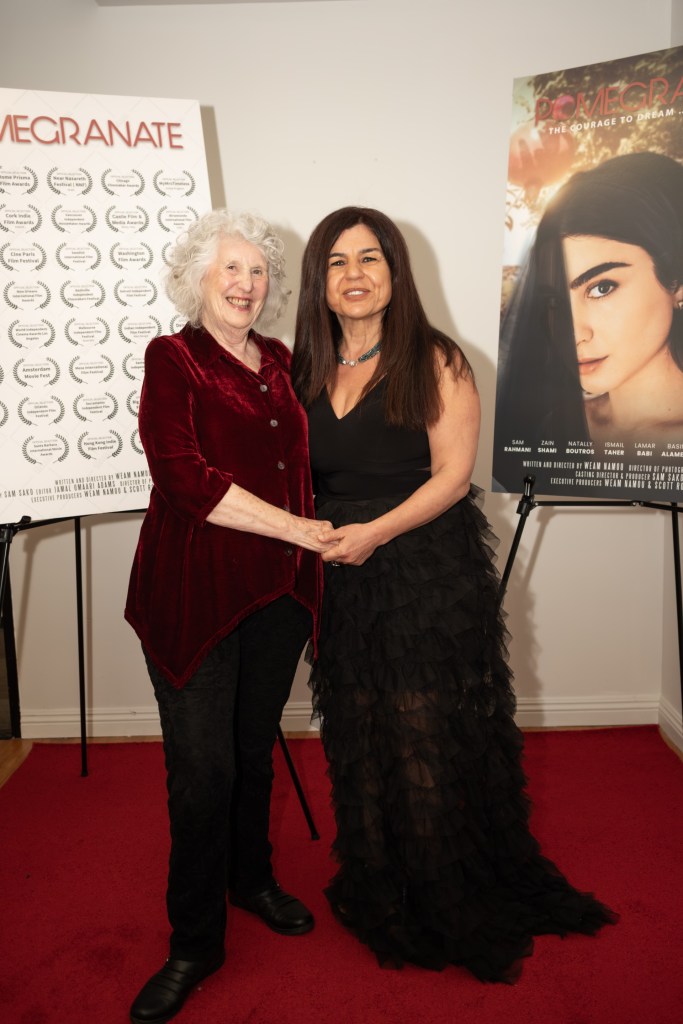
As I left the stage, I carried with me the love and support of everyone in that room. Of course, I shared my story behind Pomegranate, which, as a result of healing, I was able to accomplish. The beautiful part is that after all the encouragement and support Iโ€™ve been given by others, the icing on the cake is being able to pass it forwardโ€”through my work and simply by being me.

To learn more about The Secret Society of Twisted Storytellers or to attend future events, visit www.twistedtellers.org.

To learn more about Pomegranate, visit:

Empowering Each Other Through Storytelling

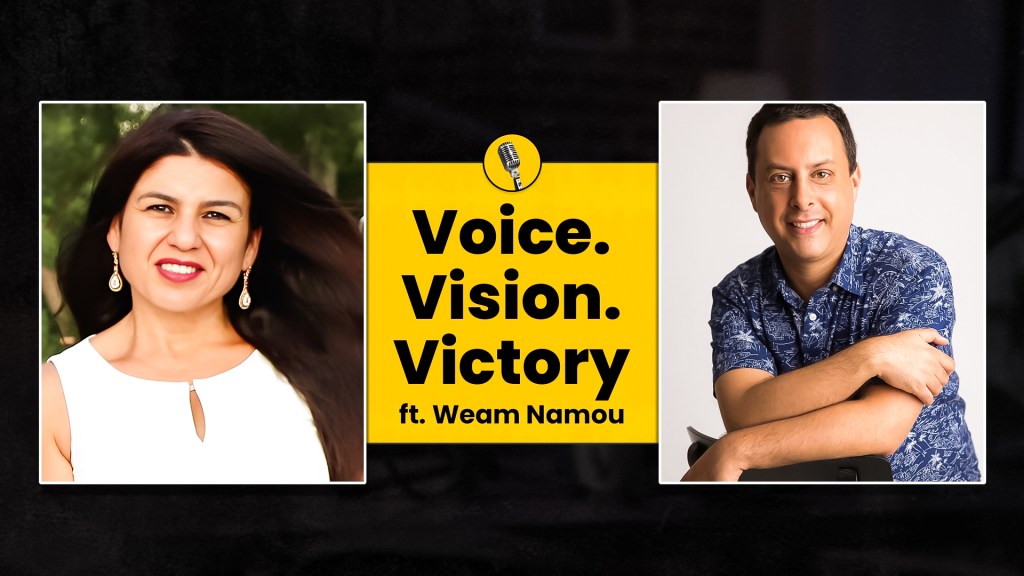
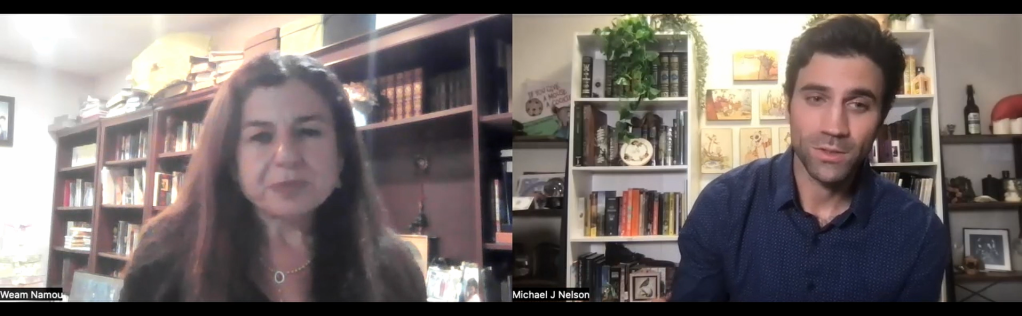
Recently, I had the honor of being interviewed by Daniel Rosenstein of Ultimate Energy Coach. It was a powerful conversation that delved deeply into topics close to my heart: my film Pomegranate, my Native American teachings, my journey of healing through shamanism, and the empowerment of women through film.

I believe that healing is important because once you heal certain tramas, you naturally become a healer to othersโ€”simply by being yourself. This truth resonates deeply with me, as healing runs through my lineage. My ancestorsโ€”my father, grandfather, and my great-grandmother Mariaโ€”were all healers. Itโ€™s a calling that has been passed down through the generations, and I feel privileged to walk this path.

Interestingly, our connection came through a mutual friend, and we discovered a fascinating coincidence: Danielโ€™s mother was born in Iraq and left during the 1948 Jewish Exodus. I was born in Iraq as a Chaldean (Neo-Babylonians who still speak Aramaic) and my family left due to the country’s unsettling and oppressive ways. This shared understanding of exile and roots created a deeper connection.

Seven Generations Back, Seven Generations Forward

One of the most profound topics discussed was the importance of honoring both the past and the future. Like Native American teachings, our culture emphasizes doing things “seven generations back and seven generations forward.” The blessings we experience today are the result of our ancestorsโ€™ actions, and what we do now will shape the lives of our descendants. This perspective has always been a guiding force in my life and my work.

Pomegranate and the Power of Story

During the interview, I reflected on my recent trip to Los Angeles for the premiere of Pomegranate. While driving through areas like Hollywood, I learned from Uber drivers about the diversity of these neighborhoodsโ€”home to significant Jewish, Persian, and Armenian populations. It struck me how the Jewish community is often said to “rule Hollywood,” and I thought: that’s not a bad thing. They understand the power of storytelling.

I often question why our own community doesnโ€™t invest in storytelling. Why donโ€™t we support the art of telling our stories, of humanizing ourselves through authentic narratives? Creative expression is healing, while destruction only leads to pain. And itโ€™s not like we lack talentโ€”while casting for Pomegranate, we received thousands of portfolios from incredibly talented Middle Eastern actors.

Breaking Labels and Finding Balance

Another key part of the discussion was about not putting labels on things. For example, shamanism is often misunderstood, yet it brought me closer to my Christian roots. After all, wasnโ€™t Jesus a mystic, a healer, and someone who said, โ€œYou will do things greater than Iโ€?

I also spoke about the importance of the men in my life who helped bring this project to lifeโ€”my husband, who gave me the space to follow my dream, and incredible collaborators like Sam Sako, Scott Rosenfelt, Jamal Adams, Kevin Hewitt, and others. They stuck with this project and gave me strength when I felt like giving up.

This ties into one of the most valuable lessons Iโ€™ve learned from energy teachings: the importance of balancing the feminine and the masculine. Both energies are essential, and finding harmony between them is a cornerstone of healing.

Healing Through Creativity

Ultimately, our conversation came full circle to the idea that healing is inherently creative. By embracing creativity, we can transform not only ourselves but also the world around us. This is the heart of storytellingโ€”connecting, humanizing, and healing.

I invite you to watch the full interview with Daniel Rosenstein here. Together, we explored the power of heritage, healing, and storytelling in ways that I hope will inspire you as much as they inspired me.

Pomegranate at the United States Naval Academy

A few weeks ago, my film Pomegranate was shown in a class at the United States Naval Academy as part of their engagement series. The film has been screened in many places, but this particular experience left a profound impact on me, not only because of the thoughtful questions and discussions that followed but also because of one studentโ€”a young woman with Palestinian roots who interviewed me afterward.

A Shared Mission to Change the Narrative

Our interview began with the usual questions about the filmโ€™s themes and creative process, but it quickly turned into a deeply personal conversation that extended far beyond the allotted time. She spoke about her desire to change the narrative surrounding the Arab world, to break down barriers and dispel the negativity that often dominates the discourse. I realized how much we had in commonโ€”not just in our aspirations but in the struggles weโ€™ve faced as women of Middle Eastern backgrounds trying to tell stories that challenge stereotypes.

Both of us were deeply affected by the events of October 7. Beyond the violence, we felt the weight of stereotypes weโ€™ve worked so hard to dispel being reinforced and amplified. Itโ€™s disheartening to see how much of the Arab-American experience is overshadowed by narratives that donโ€™t represent us. Those who donโ€™t share mainstream views are often silenced, left to endure images and stories that perpetuate division rather than understanding.

The Stories They Donโ€™t Want You to Hear

When I think about my time in Ramallah many years ago, I donโ€™t recall the conflict as much as I remember the warmth of the people, the humor, the hospitality in every home, and the love that flowed freely between neighbors. I even remember the playful flirting between handsome Israeli soldiers at checkpoints and beautiful Palestiniansโ€”a moment of humanity in the midst of tension.

These are the stories people donโ€™t want to hear, the ones that donโ€™t fit the divisive narratives. They donโ€™t make headlines because they donโ€™t serve the agendas of those who profit from conflict. And unfortunately, even within our own communities, there are challenges. Whether itโ€™s extremists canceling a book talk about Pomegranate or others refusing to support a screening because the film promotes the idea of women making choices, itโ€™s clear that some are more invested in controlling narratives than fostering dialogue.

But for every roadblock, thereโ€™s someone like that young woman at the Naval Academy, whose passion and praise for the film reminded me why I do what I do. She called Pomegranate a beautiful and courageous movie, and applauded me for the work. Her words stayed with me long after our conversation ended yesterday.

Embracing the Positive Feedback

For decades, Iโ€™ve faced pressures from all sides. Non-Middle Easterners have encouraged me to write stories that โ€œsell,โ€ focusing on sensational topics like honor killings. Meanwhile, some Middle Easterners have expected me to mask our stories, pretending that our issues donโ€™t exist. Neither approach has served us.

Instead, Iโ€™ve chosen to focus on the beauty and authenticity of our stories, and the feedback Iโ€™ve received from audiences, such as for Pomegranate, has been overwhelmingly affirming.

From non-Middle Eastern viewers:

  • โ€œThis is a genius movie.โ€
  • โ€œPomegranate is a very courageous and timely production.โ€
  • โ€œI was on the edge of my seat throughout the entire film. The comedic relief was done perfectly and didnโ€™t take away from the seriousness of the story.โ€
  • โ€œThis was a strong movie, with strong characters.โ€

From Middle Eastern viewers:

  • โ€œI liked the way you brought the sensitive topics in an open-ended and elegant way. It wasnโ€™t how other Arabic movies try to politicize such topics.โ€
  • โ€œThe story was perfect. The characters were perfect. The cinematography was perfect. The editing was perfect. The music was perfect. Everything was different. Donโ€™t change any of the team in part two.โ€

Moving Forward

If Pomegranate has resonated with even one person, like that young woman at the Naval Academy, then itโ€™s all worth it. For her and for others who have commended the film, I will continue to tell stories that celebrate the humanity, love, and resilience of our communities.

The journey isnโ€™t easy, but itโ€™s necessary. In a world that often seeks to divide, Iโ€™ll keep focusing on the beauty and complexity of our shared experiences, breaking down barriers one story at a time.

Pomegranate, which has won over 40 international awards, is streaming in 25 countries. You can click here to find out where to watch it

Chaldean Mysticism and Universal Wisdom

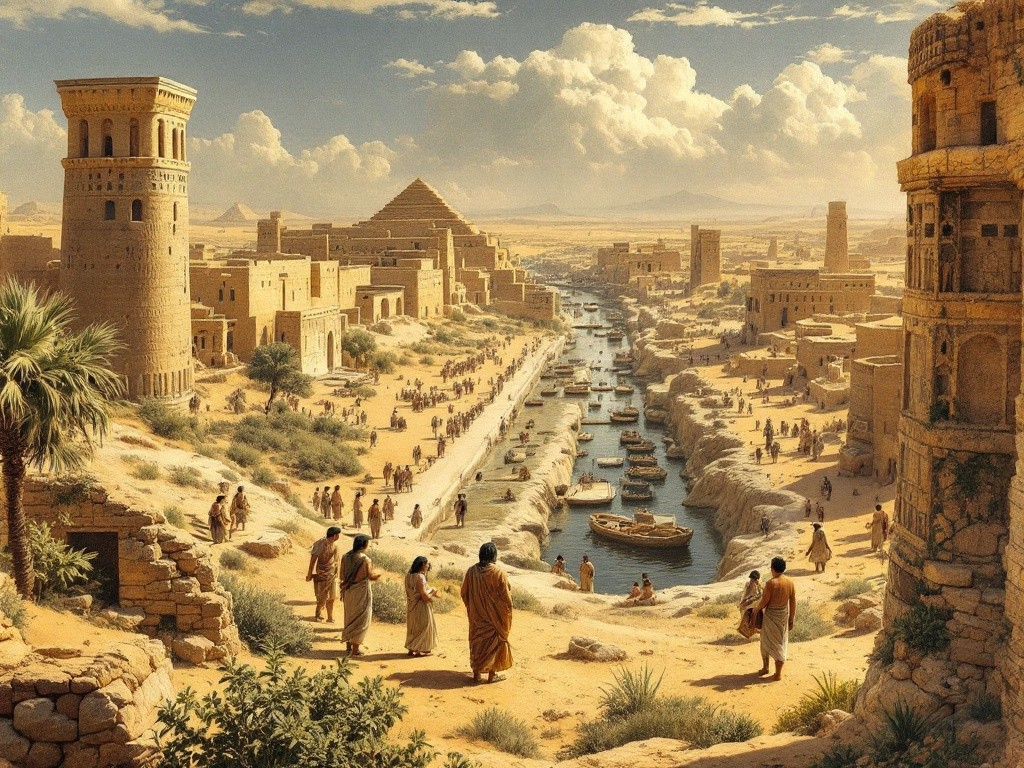
In a world that often equates opulence with material wealth, it is essential to remember that true opulence transcends the physical. It is about the richness of our connection to the divine, the depth of our understanding of universal laws, and the ability to live in harmony with the sacred forces that govern existence. As a Chaldean, I am deeply inspired by the ancient wisdom of my ancestors, who were renowned as astrologers, astronomers, mathematicians, and magicians. Their knowledge was not merely intellectualโ€”it was soulful, mystical, and transformative.

The Legacy of Chaldean Wisdom

The Chaldeans, also known as the Neo-Babylonians, were pioneers in understanding the mathematical and cosmic principles that underpin the universe. According to Rhonda Byrne in The Secret, โ€œThe ancient Babylonians and their great prosperity have been well documented by scholars. They are also known for creating one of the Seven Wonders of the World, the Hanging Gardens of Babylon. Through their understanding and application of the laws of the Universe, they became one of the wealthiest races in history.โ€

This profound legacy speaks to the Chaldean mastery of universal laws, which they saw not as abstract concepts but as living truths that could be applied to every aspect of life. They understood the sacred geometry of the cosmos, the rhythms of the stars, and the balance of energies that govern existence. Their wisdom was both scientific and spiritual, rooted in a deep reverence for the divine order.

Spiritual Opulence: A Modern Perspective

My teacher, Lynn V. Andrews, often spoke about โ€œspiritual opulence,โ€ a state where sacred wisdom becomes accessible to everyone, inviting us to connect deeply with the divineโ€”however we define it. She described this era as the โ€œtime of the magical eye,โ€ a moment in history when the veil between the physical and the spiritual is thinner than ever. In this time, nothing stands between us and the Great Spirit, God, Goddess, or the creative source of all beauty and abundance.

Spiritual opulence is about tapping into this divine connection and allowing it to transform every facet of our lives. It is not limited to religious practices or rituals; it is a way of being that integrates the mystical with the mundane. It is seeing the sacred in the ordinary and recognizing that the same universal laws that govern the stars also govern our thoughts, actions, and relationships.

The Science of Mysticism: Chaldean Contributions to Modern Understanding

The Chaldeans’ contributions to science and mysticism are a testament to their understanding of the universe as a unified whole. Their advancements in mathematics and astronomy were not separate from their spiritual practices; they were tools for understanding the divine order. For example:

  • Astrology and Astronomy: The Chaldeans were among the first to map the heavens, recognizing the influence of celestial bodies on earthly events. They saw astrology not as superstition but as a science that revealed the interconnectedness of the cosmos.
  • Mathematics: Chaldean mathematicians developed sophisticated systems for measuring time and space, including the 360-degree circle and the concept of zero. These innovations were rooted in their understanding of balance and harmony, principles that are essential to both mathematics and spirituality.
  • Magic and Mysticism: For the Chaldeans, magic was not about illusions or tricksโ€”it was the art of aligning oneself with universal laws to manifest desired outcomes. This mystical practice was grounded in their deep knowledge of energy, intention, and the power of the human mind.

These ancient teachings remain profoundly relevant today. They remind us that the universe operates according to principles that are both scientific and spiritual, and that by understanding and applying these principles, we can create lives of abundance, harmony, and purpose.

An Invitation to Reflect and Connect

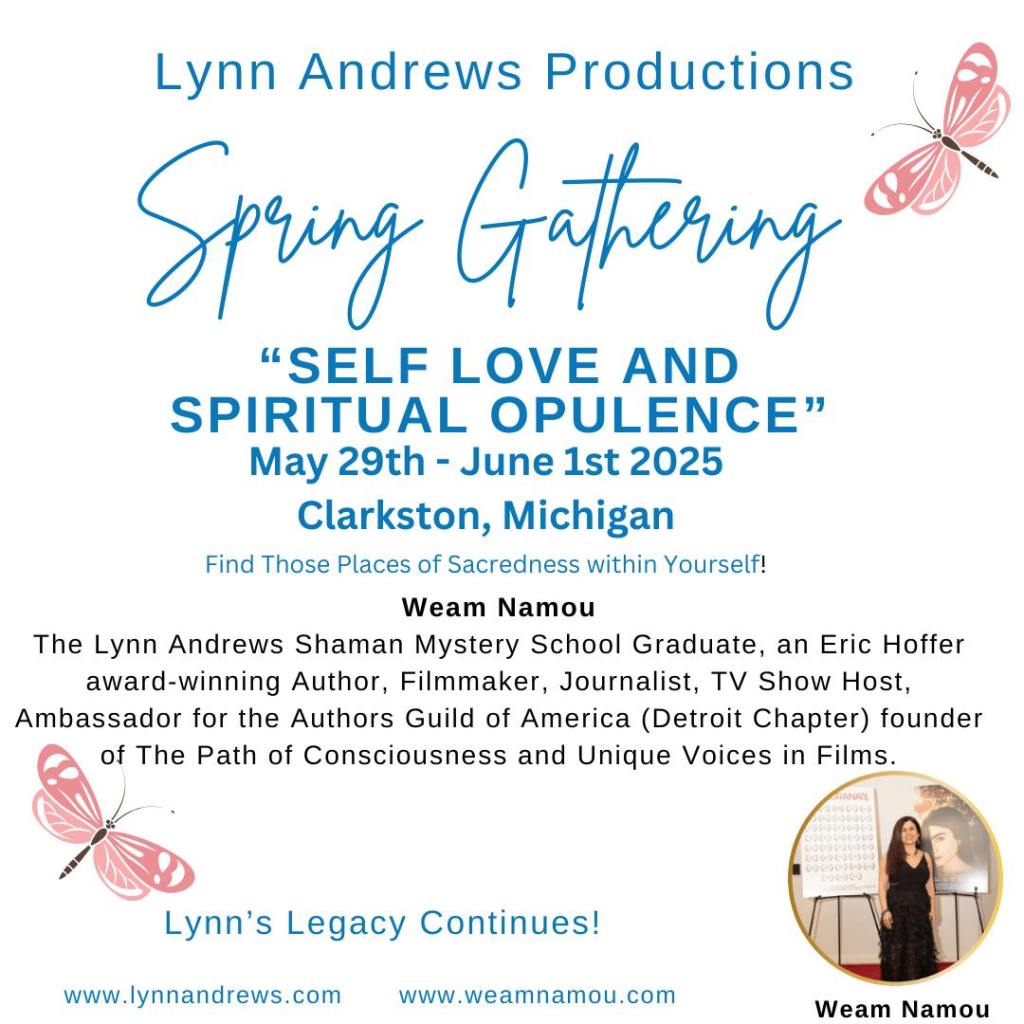
As I prepare to lead a retreat inspired by Lynn V. Andrews’ teachings and my Chaldean heritage, I invite you to reflect on the concept of spiritual opulence. Ask yourself:

โœจ What does โ€œspiritual opulenceโ€ mean to you?
โœจ How do you experience connection with the divine in your daily life?
โœจ What ancient wisdom or personal practices help you align with the universal laws of abundance and harmony?

This retreat is an opportunity to explore these questions together, blending the mystical teachings of my ancestors with the sacred wisdom of modern spirituality. It is a chance to step into the “time of the magical eye,” where nothing stands between us and the divine, and where we can co-create lives of beauty, creativity, and sacred abundance.

Letโ€™s continue this journey of discovery, honoring the wisdom of the past while embracing the possibilities of the present. Together, we can embody the true meaning of spiritual opulence and align ourselves with the infinite potential of the universe.

๐Ÿ’– I look forward to exploring this sacred path with you. Click here to learn more!

Women Reshaping Middle Eastern Narratives: Pomegranate

March is Womenโ€™s History Monthโ€”a time to celebrate the achievements, resilience, and creativity of women around the world. This year, International Womenโ€™s Day (March 8) feels particularly inspiring as it coincides with the recent release to 25 countries of Pomegranate, a groundbreaking film that hit theaters on March 4. The film is not just a cinematic masterpiece; itโ€™s a bold statement about women reclaiming and redefining Middle Eastern narratives.

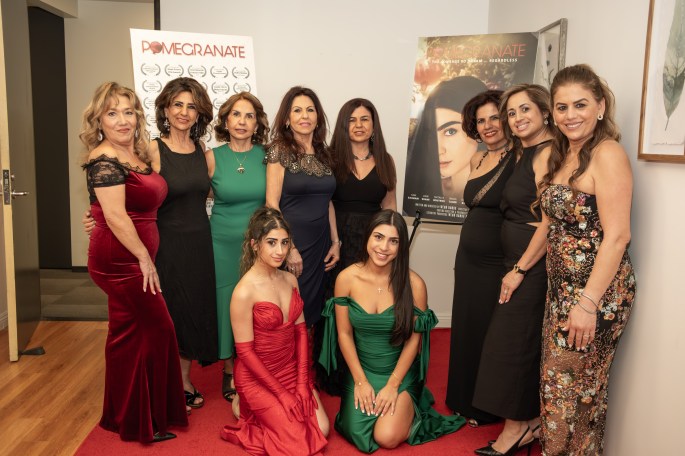
Before its wide release, Pomegranate had its exclusive premiere in Los Angeles on February 27, bringing together cast, crew, and supporters for a night of celebration. As someone who attended the premiere, I was struck by the energy in the roomโ€”a shared excitement for a film that promises to transform how Middle Eastern womenโ€™s stories are told. From the red carpet to the post-screening discussions, it was clear that Pomegranate is much more than a movieโ€”itโ€™s an inspiring movement.

At its core, Pomegranate is a story that centers womenโ€™s voices, their struggles, and their triumphs. The film explores themes of identity, resilience, and the power of storytelling. In an industryโ€”and a worldโ€”that often sidelines womenโ€™s perspectives, especially in Middle Eastern contexts, Pomegranate breaks barriers by putting women at the forefront.

Click below to see where you can watch the film in 25 countries!

The Power of Representation

The Middle East has long been portrayed through a narrow lens in global media, often shaped by stereotypes that fail to capture the regionโ€™s rich diversity and complexity. Pomegranate challenges these depictions by offering a story rooted in authenticity, told through the eyes of women who refuse to be silenced.

The film is not only a celebration of Middle Eastern culture but also a reminder of the universal struggles women face and overcome. By focusing on female protagonists navigating personal and societal challenges, Pomegranate humanizes their experiences in a way that resonates across borders.

Why Pomegranate Matters

Released during Womenโ€™s History Month, Pomegranate is a timely reminder of the importance of womenโ€™s voices in shaping cultural narratives. The filmโ€™s release on March 4 is symbolicโ€”it ties into a month dedicated to honoring womenโ€™s contributions throughout history, while also urging us to reflect on the work that still needs to be done for gender equality.

International Womenโ€™s Day, celebrated today, reminds us of the global fight for womenโ€™s rights and representation. Pomegranate amplifies this message by showcasing how women can redefine the stories told about themโ€”and by them.

A Call to Action

The release of Pomegranate is more than just a cinematic event; itโ€™s a call to support women storytellers and creators. As audiences, we have the power to shape what stories are told by choosing what we watch, share, and celebrate. Films like Pomegranate remind us that representation mattersโ€”and that when women take control of their narratives, the world listens.

This Womenโ€™s History Month, letโ€™s celebrate the women who are changing the face of storytelling. Letโ€™s amplify their voices, honor their stories, and continue pushing for a future where every womanโ€™s perspective is valued.

If you havenโ€™t yet seen Pomegranate, make it a priority this month. Itโ€™s more than a filmโ€”itโ€™s a movement.

Happy International Womenโ€™s Day!

The Oneida Man – My Native American Friend

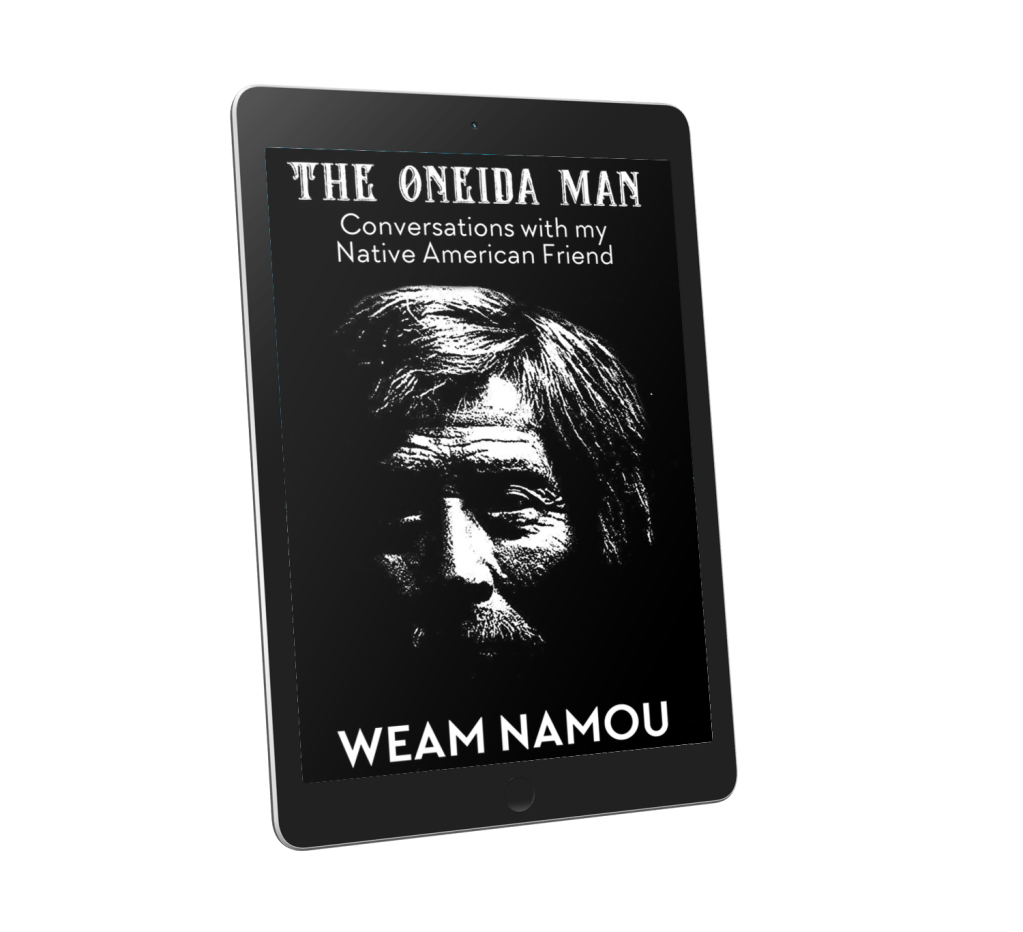
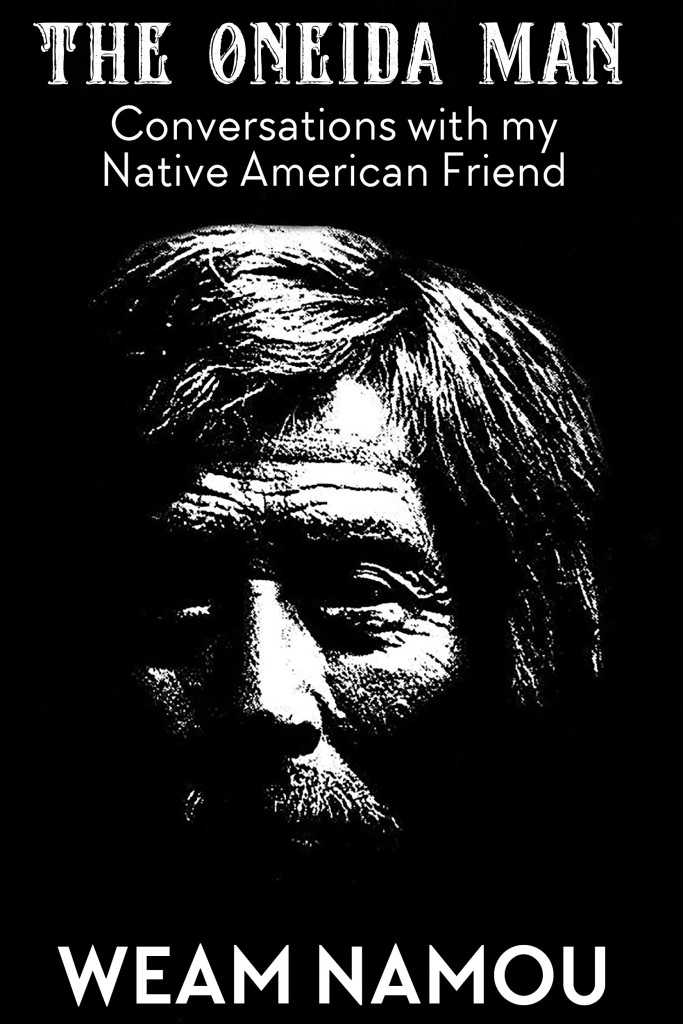
An old friend, the Oneida Man, and I share Indigenous heritage, which inspired my book about our engaging conversations. Itโ€™s available for FREE until December 3rd.

November is a time to honor the rich cultures, histories, and contributions of Indigenous peoples.

As a Chaldean, I recognize the unique languages, traditions, and deep connections to ancestral lands shared by all Indigenous people, including various groups from Mesopotamia, modern-day Iraq.

This book celebrates and uplifts these voices together.

Get your FREE copy here https://a.co/d/5Euvtpy

Here’s an excerpt from the book:
I found him peculiar, but yet, when he talked, he said in
triguing things. Some things I jotted in my journal. Others I
added later in my books, and others I turned into published
poems. One such poem is Love, Justice, and Turtle Soup

Love, Justice, and Turtle Soup

A Native American man with long hair
walked into my place of business one day
and verbally handed me a recipe,
though I did not cook at the time โ€“
and now that I do cook, I doubt
I could follow the instructions he gave to me,
though Iโ€™ll never forget the recipe.

He said, nonchalantly:
โ€œIf you want to make homemade turtle soup, you have to be careful and you must wait..
You’d want to catch a sea turtle because you get thirty or more pounds of meat from it – depending on weight. You need help too. A couple of men would do, to place the turtle inside a garbage barrel filled with fresh water. Close the lid and leave it there to starve.
It sounds brutal, I know, but there’s no other way to do it if you want to have homemade turtle soup. Sea turtles can live up to a hundred years, so it takes a while for them to die. If someone tried to slaughter them, they’d release a poison into their system that would kill anyone who ate from it. One must therefore keep the area surrounding the garbage barrel quiet so the turtle doesn’t think it has been caught by anyone but itselfโ€ฆ.
Turtles have a bad memory and will forget they were trapped.โ€

People trap each other like that and call it love.

Elephants, on the other hand, don’t forget.
If someone tried to hurt them, they come back in a hundred years to step on them.

People avenge each other like that and call it justice.

Facing the Middle East’s Dark Side for a Path of Healing and Reform

I was on a cruise trip with a group of friends and family members when, the day before our trip ended, we saw on TV horrific acts of terrorism against Israeli civilians. We looked at each other and, shocked, said, “This is just like ISIS.”

The majority of those in our group had experienced some type of violence or oppression while living in Iraq. One man, during the early 70s, was snatched from his home and, without trial, condemned to execution for purchasing binoculars. He, a Christian, was accused of working as a spy with the Jews. He was able to convince the sergeant he’s not a spy and that he’d purchased the binoculars for personal interests. His wife remembers her school being forced to witness the hanging of the Jews at the public execution. A Muslim Kurdish woman was beaten by her three brothers for falling in love with a Christian man and went into a coma for a week. She ended up escaping out of Iraq and marrying the man.

There used to be a saying in the Middle East “After Saturday Comes Sunday” which meant, after we get rid of the Jews, a successful campaign in Iraq, then it’s the Christians’ turn, which was 90% successful so far. That region’s dark side is its inability to look within for a solution rather than point fingers. It has so many issues regarding diversity, women’s and children’s rights, and human rights. People rant about colonization when Muslims and Arabs colonized the entire Middle East over 1500 years ago, when the majority of the people were Christian and spoke Aramaic. Since then, the average Jew, Christian, and Muslim has tried to find ways for us to live together but extremist groups in those regions always ensured that does not happen.

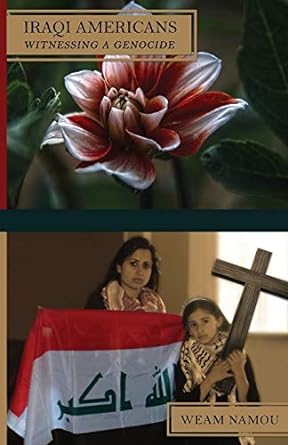
What truly saddened many of us is seeing worldwide rallies passionately and immediately cheering the slaughter of people. Interestingly, no such groups came out when ISIS was killing Christians, Yazidis, Shias, and other minorities in Iraq in 2014. When ISIS attacked our ancestral land, I wrote a book called Iraqi Americans: Witnessing a Genocide and addressed all the groups who suffered at the hands of the terrorist group, or during the US invasion, such as the Sunnis. Why? Because my heart bled equally for all of them!

Palestinians deserve to have their own land, but these tactics are, to put it mildly, not wise and they are actually hurting the people in Gaza. The perpetual patterns of violence in the Middle East will continue without serious introspective. No peace will be experienced otherwise. War and vengeance are not the answer, not for the Palestinians, not for the Israelis, not for anyone. The definition of insanity is doing the same thing, expecting different results.

The same week that Hamas brutally attacked Israelis, my 16th book came out, The Oneida Man: Conversations with my Native American Friend. Chapter One of the book begins with the day I attend with my young children a neighborhood protest against the 2014 ISIS attacks. Since then, Iraqi Christians, Yazidis, and other minorities have faced significant challenges and continue to struggle with the aftermath of the mass killings, abductions, and forced conversions. Like Native Americans, the indigenous people of Iraq have suffered a great deal and have lifelong traumas. The difference is that my birth country has done little, if anything, to help heal these wounds.

Years later, I wrote a book called Pomegranate, which went on to be an internationally multi-award winning feature film, to help bring forth dialogue about tensions between the Christian and Muslim community in American as well as showcase the beautiful side of the Arab world. The Detroit Free Press featured it in its Entertainment Section, but the Muslim community cancelled the book talk organized by an interfaith organization.

The film has won over a dozen awards from around the world (France, New York, Italy, India, Sweden, Amsterdam, and elsewhere). It was currently chosen as an Official Selection World Independent Cinema Awards (Los Angeles). You can purchase tickets until Oct. 17 to get one week access to the film.

During my apprenticeship in Lynn V. Andrews’ mysticism school, I was asked to look at my dark side. In shamanism, the concept of the “dark side” typically refers to the shadow or hidden aspects of oneself. It represents the parts of the self that are repressed, denied, or considered negative or unacceptable. These can include unresolved traumas, fears, desires, or aspects of one’s personality that are considered undesirable. This was a tough thing to do, but also it was necessary in order to heal the traumas associated with my birth country, Iraq, and transform.

In these extraordinary times characterized by violence and destruction, there is an urgent call for us to engage in deep introspection for personal and collective growth and transformation. But to do that, we Middle Easterners must look at our dark side and have honest conversations.

Watch recent interview about Pomegranate And don’t miss out on the opportunity to watch and vote to show your support and help it reach even more people. Let’s amplify its impact and inspire a wave of transformation around the world. ๐Ÿ—ณ๏ธ๐ŸŒŠ

Making Dreams Come True

Written by (guest blogger) Gethen Christine

https://youtube.com/@GethenChristineMorris

A Once in a Lifetime Opportunity โ€“ how many of those do we receive on this Path of Heart? Several. How many do we see? Some. How many do we seize? Very few. For me, this particular opportunity revealed one of my most cherished, and secret, pleasures in life. One that almost slipped through my fingers. One that I had to earn my right, and discover my worth, during an intense period of Hollywood deadlines, being pregnant and raising babies during lockdown, and answering the most important questions: How can I step into my power and put myself first?   

My dearest friend Weam Namou and I met during the beginning of my apprenticeship with Lynn V. Andrews through the Mystery School. Weam was my destined mentor, when we quickly recognized our longtime soul-connection, and evolved as co-creators with our Acts of Power. She invited me to participate in a special part of her first feature film, Pomegranate and weaved my talents where I excelled most.

Knowing my secret dreams of being a singer/songwriter on a large scale, she asked me if I had any music she could listen to? Embarrassingly, I searched for decade-old music files to appease her curiosity, and unexpectedly she was profoundly moved. She asked my permission to include me in her 14th book, Pomegranate with my name and lyrics from her favorite song as someone the main character Niran can relate to, an underestimated and aspiring artist.

The paramount process of making her film pursued, and Weam inquired if I would want to write a song for a specific scene. I nervously agreed to the task, wondering would the song be good enough? Could I actually do this? She gave me a 24-hour window to watch the scene. So, I stilled the mind, grabbed my guitar and played a melody that had been stalking me for months. My point of view transported into Niranโ€™s feelings during those whirling moments, and the song composed itself. I didnโ€™t exactly know what to think of it, being new and freshly birthed, was this going to be an โ€œugly babyโ€ or one of those babies with a perfectly shaped head?

To my shock and elation, this baby was a perfect fit, but parents are always biased. After she accepted the first draft, the next steps were uncertain. Like a novice, I began my search from without, as opposed to within. In those coming months, I experienced invaluable connections to the film and music industry, drawing upon professional resources, and created a music publishing agency in my limited liability corporation (LLC) to best represent my future career in music with media.

I went on to invest in myself, equipment and software to record and produce music for Hollywood quality films. As I tried to conquer skillsets that require undivided attention and inexhaustible time, I realized my expectations were unrealistic with a brand-new baby and toddler. I convinced myself I could manage this new music experience while the babies slept.

This resulted in sub-par results that I ignorantly thought multiple revisions would render a different answer. Weeks before the last possible deadline passed, Weam informed me that if I did not hire professionals to finish the song it would be rejected. Thank goodness for her candidness, and my resiliency. After that call, I collapsed on my knees and cried the loss for every time in my life I didnโ€™t step up to the next level. Though my past choices were unconsciously stemmed in self-sabotage, this time was different and afforded me the mirror to heal deep wounds.

My husband helped me off the floor and I was determined to fulfill this dream. Within an hour, I found a professional studio down the road from my house that had the urgent availability and high standards this hour-of-need beckoned. My husband composed a bass line, the studio manager offered his skills on drums, and I played acoustic guitar and sang vocals. The day I went to record was the first time in 20 years, and I met the sound engineer for Third Angel Productions in Colorado Springs. Nonchalantly, he divulged he is the House Sound Engineer for the Pikes Peak Performing Arts Center. The cityโ€™s central hub for the most prestigious musical and theatrical performances in the country. In that moment, I knew GODdess was guiding me to get my music โ€œOff This Groundโ€ (also the song title).

The feeling of self-accomplishment and -worth continues to soar with me and successfully shattered any limitations I once carried. In the midst of chaotic unknown, I stepped into my power and put myself first. Thank you, Niran for being a fan and especially to Weam who saw the potential and professionalism in me that was always thereโ€ฆ waiting to be birthed.

Recently, I was gifted a very special scarf, one of the hijabs from the making of the film, Pomegranate from Weam as a thank you for my song and participation in the film. It is a deep royal purple and signifies the creativity of the actors wearing it on set and director making the film. This is a cherished gift and I wear it knowing the blending of cultures is truth and beauty.


Currently, Pomegranate is touring film festivals. You can watch the trailer HERE and purchase the book HERE. Also, we’ve been adding interviews with the actors which you can watch on my YouTube channel (see link below)

Upcoming Interviews for this month

Articles I Wrote this month

Celebrating Our Chaldean Heritage

From Stage to Film: Heather Raffoโ€™s ‘Nine Parts’


Check out my YouTube channelย where you can watch the interviews live and subscribe. Be sure to set reminders/alerts so you can stay updated on Live and uploaded content.

You can also now find me on Tik Tok, where Iโ€™m letting loose and sharing morsels of my life.

My Native American Friend

Iโ€™m currently working on a book about conversations Iโ€™ve had with my Native American friend. Conversations about non-typical topics. He would visit the video store where I worked for twelve years and chit-chat. Mostly, he did the talking. I listened, trying to understand the purpose behind his presence.

He said things that often stimulated my creativity and led me to write a poem or two, or to simply rethink history. To consider how our histories โ€“ me as a Chaldean and he as a Native American โ€“ were related. He transferred plain ideas into unique and priceless treasures. He is a matter-of-fact type of guy, a simple man living a meager existence. But then, little by little, he reveals himself as a profound person. Through these conversations, we see his wisdom and his willingness to admit to uncertainty. His humor and playfulness, wry judge of character and his offbeat sense of humor, is intriguing.

One of his visits resulted in this poem that was published by SNReview over ten years ago. https://www.snreview.org/0210Namou.html

Love, Justice, and Turtle Soup

A Native American man with long hair
walked into my place of business one day
and verbally handed me a recipe,
though I did not cook at the time โ€“
and now that I do cook, I doubt
I could follow the instructions he gave to me,
though Iโ€™ll never forget the recipe.

He said, nonchalantly:
โ€œIf you want to make homemade turtle soup, you have to be careful and you must wait.. You’d want to catch a sea turtle because you get thirty or more pounds of meat from it – depending on weight. You need help too. A couple of men would do, to place the turtle inside a garbage barrel filled with fresh water. Close the lid and leave it there to starve.

It sounds brutal, I know, but there’s no other way to do it if you want to have homemade turtle soup. Sea turtles can live up to a hundred years, so it takes a while for them to die. If someone tried to slaughter them, they’d release a poison into their system that would kill anyone who ate from it. One must therefore keep the area surrounding the garbage barrel quiet so the turtle doesn’t think it has been caught by anyone but itselfโ€ฆ.

Turtles have a bad memory and will forget they were trapped.โ€

People trap each other like that and call it love.

Elephants, on the other hand, don’t forget.
If someone tried to hurt them, they come back in a hundred years to step on them.

People avenge each other like that and call it justice.

Interview about my latest book

“Little Baghdad”


Upcoming Interviews for This Month

Check out my YouTube channel where you can watch the interviews live and subscribe. Be sure to set reminders/alerts so you can stay updated on Live and uploaded content.

You can also now find me on Tik Tok, where Iโ€™m letting loose and sharing morsels of my life.

Pomegranate Trailer is Out!

Happy New Year! Hope you had a magical Christmas season.

Last month was quite exciting with holiday celebrations and completing projects I’ve been working on for years. I completed my 15th book, Little Baghdad: a Memoir about an Endangered People in an American City, which will be released on January 15, 2023, Martin Luther King Jr.’s birthday. Around the same time I’ll begin submitting the feature film Pomegranate to film festivals. And I’m excited to announce that the trailer was just released click HERE to watch now.

This film for me is special and unique for countless reasons, one of them being that it’s the first Iraqi American feature film and led by women talent. The main character, Niran, is influenced and inspired by Enheduanna, a princess, priestess, poet, and the first recorded writer in history from ancient Mesopotamia. In the story, Niran channels Enheduanna’s sense of power, creativity, and individuality through poetry.

Eneheduanna’s disk was discovered in 1927 yet she is hardly recognized in the world. Myself, I have raved about her in all my talks and several of my books since I came across her name over a decade ago. I dedicate a chapter on Enheduanna in my book Mesopotamian Goddesses: Unveiling Your Feminine Power.

If you still haven’t read the book Pomegranate, click HERE to check it out! (available in print, eBook, and audiobook)

Click the images below to read my articles that were published this month for the Chaldean News

CHALDEAN CATHOLICS IN INDIA 

Built in 1814, Marth Mariam Cathedral is a Chaldean Syrian Churchโ€”the oldest church in Thrissur, a town in Kerala in southern India. This is where people from the Middle East settled long before St. Thomas arrived at its coast in 52 A.D. to spread the Gospel. They came because it was an international trade center. It was known for its natural resources, such as black pepper, which was highly in demand in the West because it wasย used as an antibiotic.
INSIDE IRAQ - A TALE OF THREE MAYORS                                        
This article includes an interview with Iraq's first woman mayor Lara Zara. She recently escaped a bomb explosion intended to kill her. โ€œThe plan succeeded but it didnโ€™t accomplish its goal of killing me,โ€ she said. โ€œIt raised my resistance.โ€

Every month, I interview remarkable individuals on a weekly basis for the Virtual Discussion Series in partnership with Unique Voices in Films, the Chaldean Cultural Center, CMN TV and U of M [Detroit Center]. Below are the upcoming interviews for January.

Check out my YouTube channel where you can watch the interviews live and subscribe. Be sure to set reminders/alerts so you can stay updated on Live and uploaded content.

You can also now find me on Tik Tok, where Iโ€™m letting loose and sharing morsels of my life.