Sharing My Chaldean American Story at the Charles H. Wright Museum of African American History

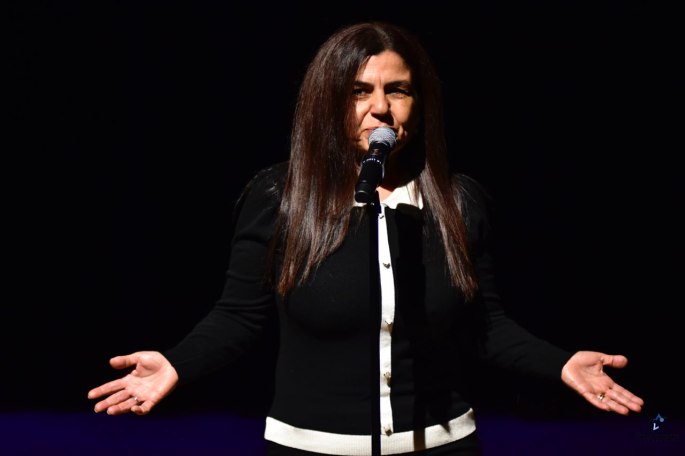
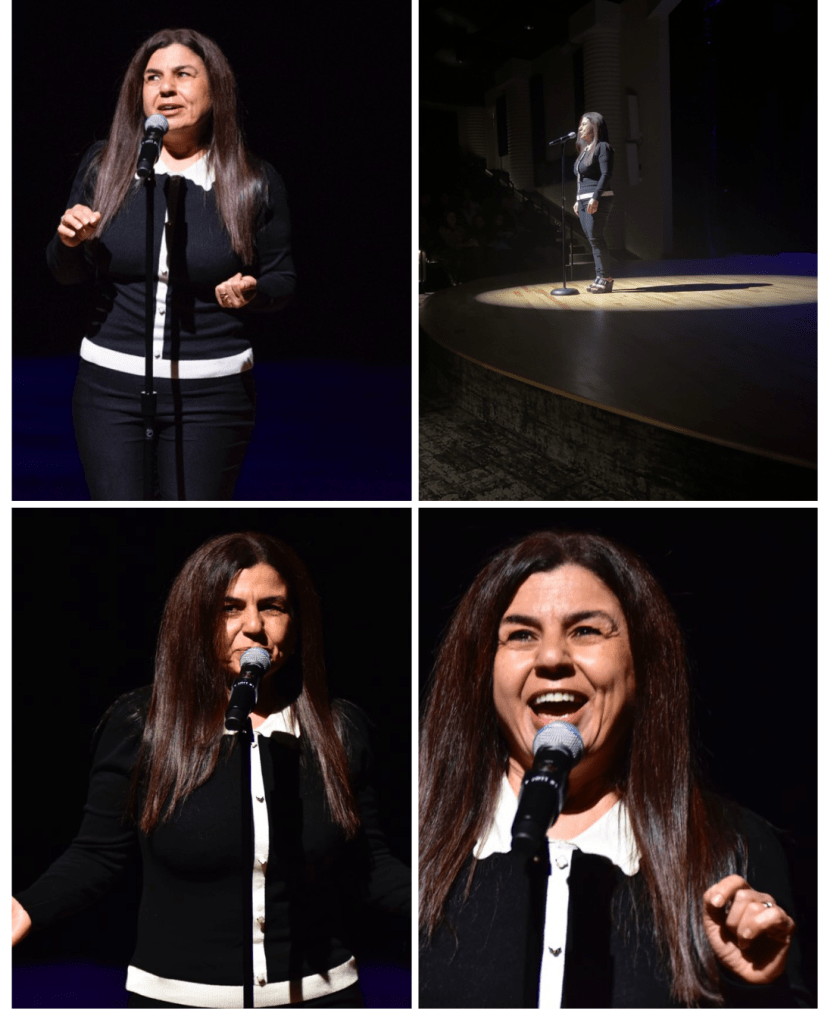
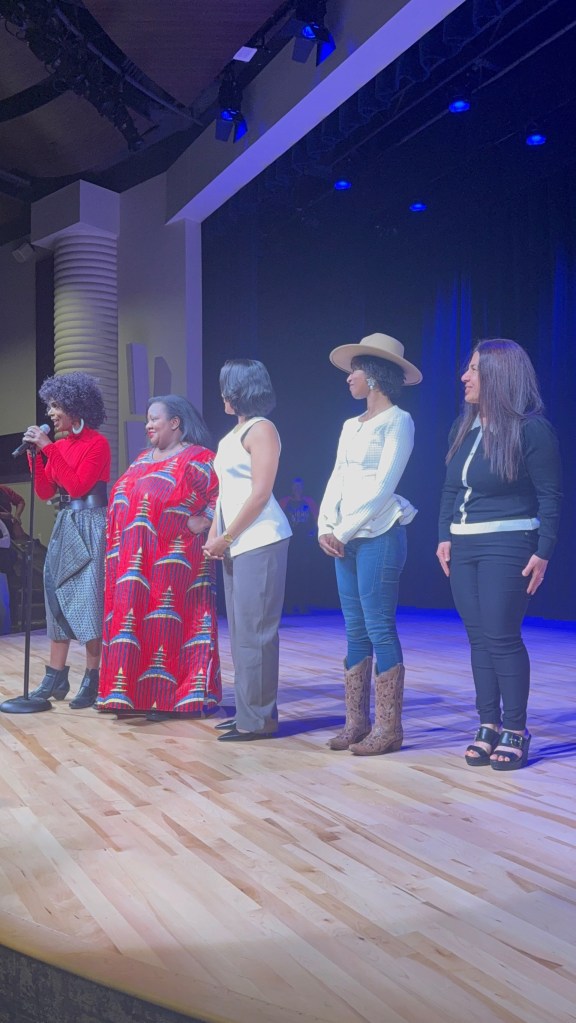
On March 21, 2025, I stood on the stage of the Charles H. Wright Museum of African American History, ready to share my story as part of The Secret Society of Twisted Storytellers (TSSOTS). This event, hosted by the visionary Satori Shakoor, was a powerful celebration of Women’s History Month. It was an evening of courage, vulnerability, and connection, where stories from diverse backgrounds came alive in front of an audience that was nothing short of extraordinary.

I brought my Chaldean American story to the stage, sharing what it was like to grow up in Iraq. I spoke about the day my school principal slapped me so hard for missing one of Saddam Hussein’s parades that I passed out. That slap wasn’t just a moment of physical pain—it was a symbol of the fear and oppression that permeated life in my homeland. It also marked the beginning of my journey toward reclaiming my voice and my power.

At one point, as I spoke about my mother and emotions overwhelmed me, I had to pause. The audience didn’t just sit silently—they held me in that moment. One woman later told me that she wanted to leave her seat, come on stage, and hug me. I felt everyone’s support, their unspoken hugs wrapping around me as I gathered myself and continued.
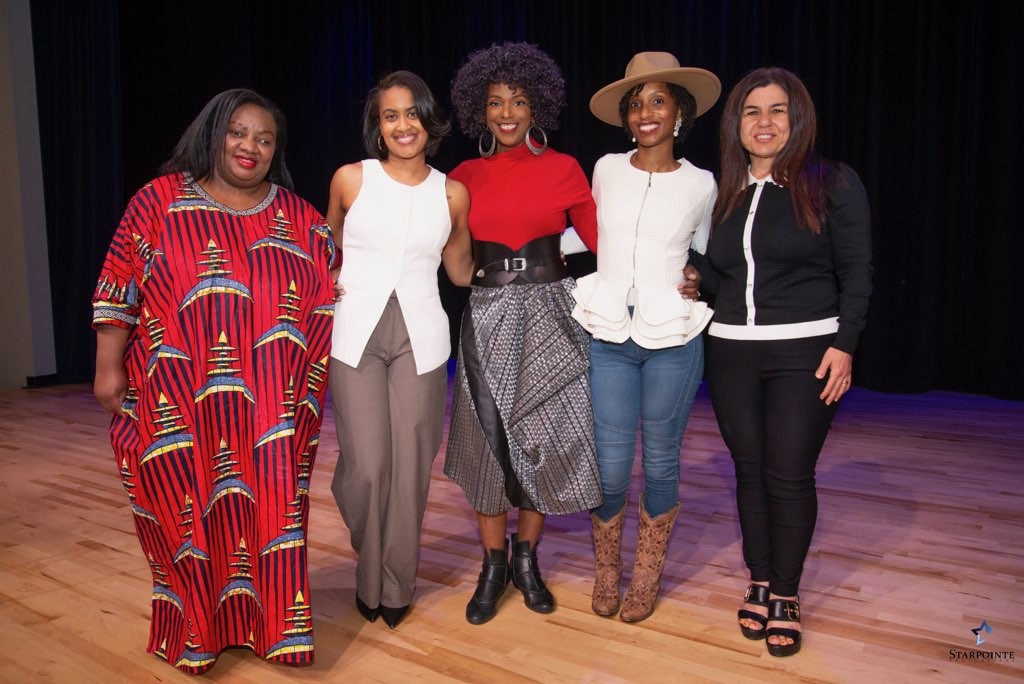
The evening wasn’t just about my story, though. It was about the collective power of storytelling. I was honored to share the stage with three phenomenal women:

  • Ciera Estelle, who spoke about her journey from advocating for a bullied classmate as a young girl to becoming an educator who teaches the importance of speaking up. Her message was a powerful reminder that silence can make us complicit in injustice.
  • Tuyishime Claire Gasmgera, who offered a unique perspective on feminism from her experiences in Rwanda. She challenged Western ideas of feminism, advocating for a broader definition that empowers women to make their own choices, whether that’s activism or caring for their families. In her case, she went from hating being in the kitchen to loving it!
  • Faith Brown, whose heart-wrenching story left no one in the room untouched. As the author of The Monster that Killed His Family Twice: The Faith Green Story, she shared the unimaginable tragedy of losing her four children to her husband’s violence. Her strength was a testament to the resilience of the human spirit.

Together, we shared stories that transcended cultures and continents, united by themes of resilience and transformation.

An Extraordinary Audience

The audience that night was unlike any I’ve ever encountered. They weren’t just watching—they were with me, every step of the way. Their attentiveness, their warmth, and their energy created a space where I felt safe to share even the most vulnerable parts of my story.

After the event, many came up to me to express their support. Some hugged me, others shared their own reflections, and one woman said, “I felt every word you spoke.” It was humbling to see how my story resonated, and it reminded me of the profound connection that storytelling can create.

The Power of Listening

What made this night truly special wasn’t just the stories—it was the way the audience listened. Listening is an art form, and when it’s done with intention and an open heart, it can transform both the storyteller and the listener.

Satori Shakoor opened the evening by reminding the audience of their vital role: to listen. “You have the most important job tonight,” she said. And she was right. Too often, people are so focused on preparing their response that they miss the essence of what’s being shared. But that night, the audience listened with their hearts, creating a space where stories could unfold in their rawest, most authentic form.

Satori’s Vision and the Magic of TSSOTS

This is the magic of The Secret Society of Twisted Storytellers. Founded in 2012 by Satori Shakoor, TSSOTS is rooted in one of humanity’s oldest and most intimate traditions: the oral art of storytelling. What began in a 45-seat performance space in downtown Detroit has grown into a global phenomenon, with standing-room-only audiences at venues like The Marygrove Theater and the Charles H. Wright Museum of African American History.

Satori herself is a powerhouse. Her warmth, wisdom, and passion for storytelling have transformed countless lives. Beyond her work with TSSOTS, she’s also a talented artist and storyteller with an upcoming film project, Confessions of a Menopausal Femme Fatale, that promises to be as impactful as her live events. Her vision is simple yet profound: to use storytelling as a tool for healing, connection, and transformation.

As I left the stage, I carried with me the love and support of everyone in that room. Of course, I shared my story behind Pomegranate, which, as a result of healing, I was able to accomplish. The beautiful part is that after all the encouragement and support I’ve been given by others, the icing on the cake is being able to pass it forward—through my work and simply by being me.

To learn more about The Secret Society of Twisted Storytellers or to attend future events, visit www.twistedtellers.org.

To learn more about Pomegranate, visit:
My Experience at Wayne County College District’s International Women’s Day Event

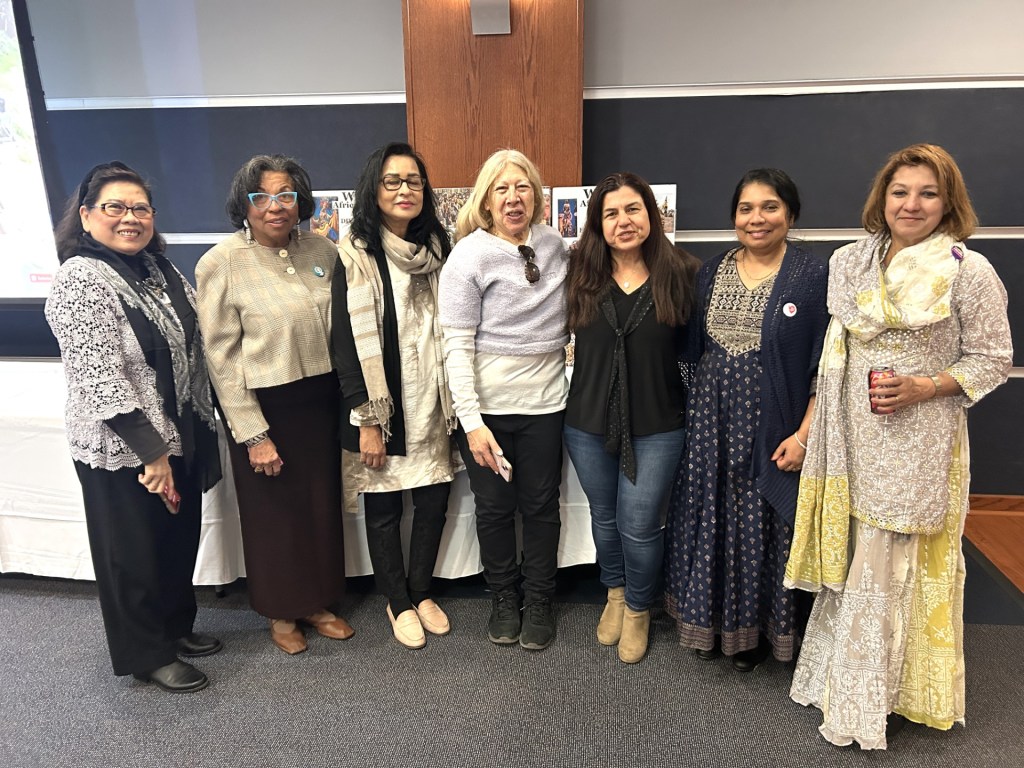
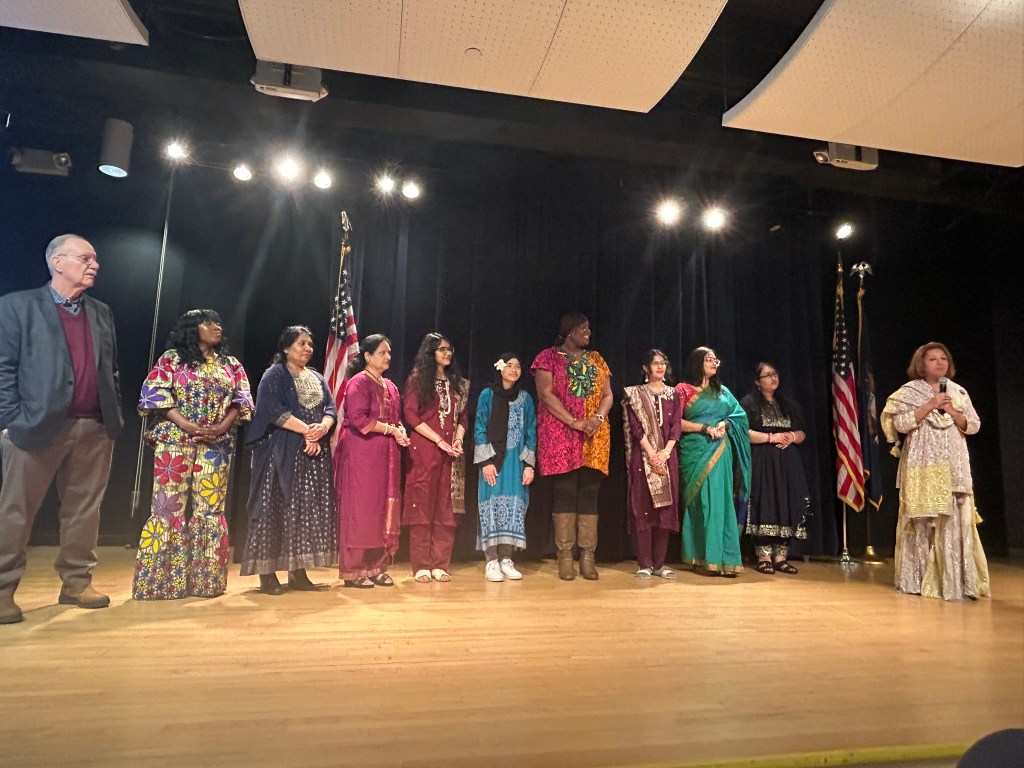
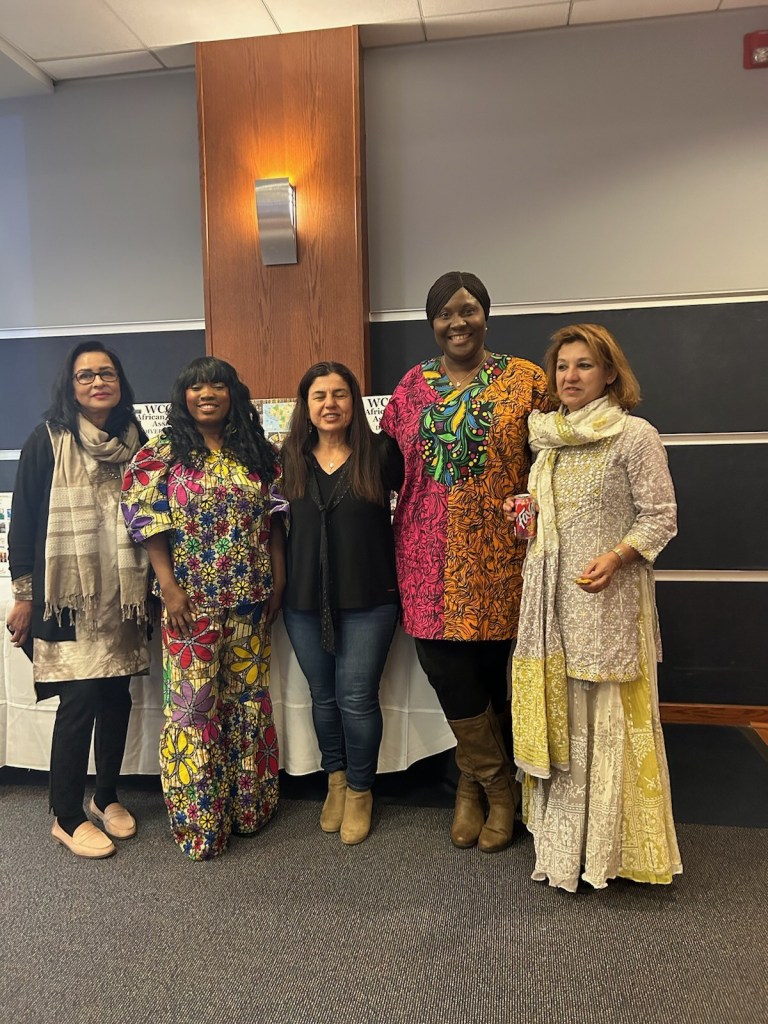
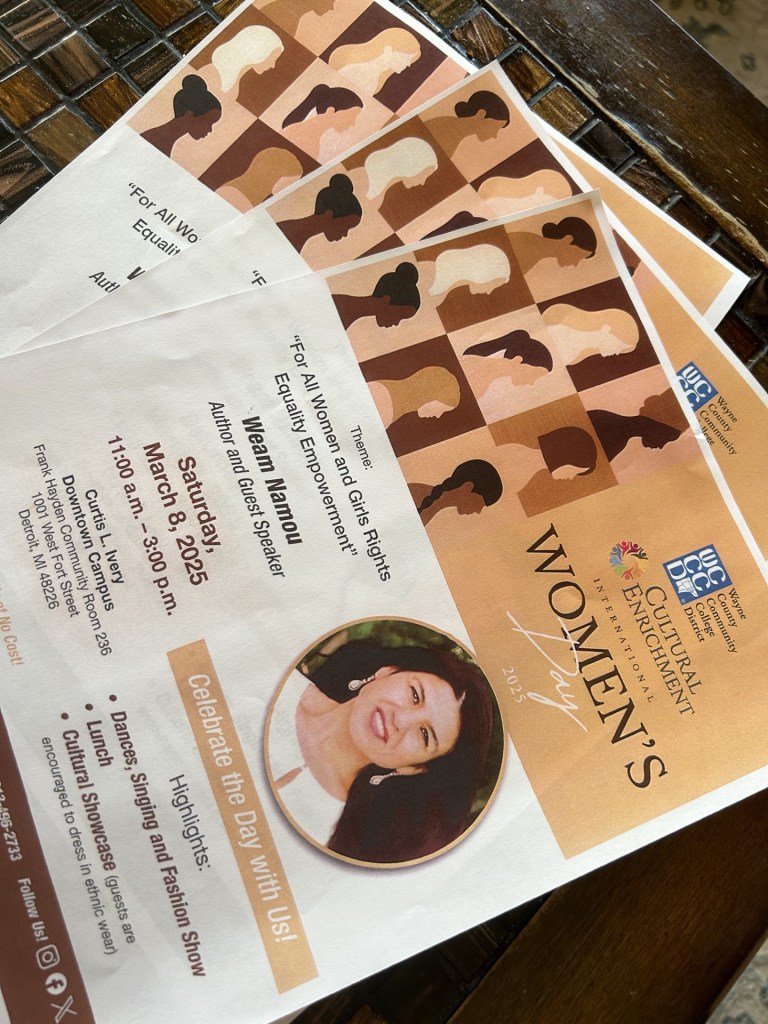
On Saturday, March 8, I had the honor of being the guest speaker at Wayne County College District’s Cultural Entrenchment event held at the Curtis L. Ivery Downtown Campus. This special gathering, coinciding with International Women’s Day, was a celebration of women’s rights, equality, and empowerment—a theme that resonates deeply with my life’s work and the spirit of my film, Pomegranate.

I want to extend my heartfelt thanks to Fidelis Teresa D’Cunha, Ph.D., for inviting me to speak at this wonderful event. It was a privilege to share my journey and connect with so many inspiring women from around the world.

The event was nothing short of extraordinary. Guests from around the world came together to celebrate their cultures, their journeys, and their shared hopes for a more equitable future. The day was adorned with vibrant Indian dance performances, a stunning fashion show, and a delicious lunch—a feast for the senses. Many attendees wore their ethnic attire, a beautiful reminder of the rich cultural diversity that makes gatherings like this so meaningful.

As I mingled with women from India (Kerala), Pakistan, Nigeria, Libya, Latin America, and beyond, I was struck by how much we share, despite the differences in our origins. One of the most fascinating discoveries of the day was meeting Christian women from regions like Pakistan. Their stories mirrored mine in surprising ways. Like me, they belong to a minority faith in their birthlands, and their narratives of perseverance and resilience felt deeply familiar.

We also discussed an interesting pattern we’ve observed in the United States: while many of us were minorities in our homelands, we now find ourselves part of a rich mosaic of cultures and communities here. In this way, the event was not only a celebration but also a moment of reflection on the strength and beauty of our shared experiences.

One of the highlights of the day was my interview with Professor Bruce Ewen, who delved into the journey of Pomegranate—the challenges, the themes, and the heart of the story. This was especially poignant as the film had just been released four days prior, on March 4, to 25 countries during Women’s History Month. To speak about the film in the context of an event celebrating women’s empowerment felt like coming full circle.

Pomegranate is a story that unites through love and beauty, offering a message of hope in a world often marked by division. It’s a film born from my own experiences and the stories of many others, reflecting the resilience of women who navigate the complexities of identity, tradition, and belonging.

If you haven’t had the chance to watch Pomegranate yet, I encourage you to do so—and tell your friends, too! Your reviews on platforms like Rotten Tomatoes, IMDb, and Letterboxd can help amplify the voices of indie films and bring stories like ours to the forefront. Here’s a list of where the film is playing https://www.freestyledigitalmedia.tv/film/pomegranate/

As I reflect on that beautiful day, I am filled with gratitude for the opportunity to share my journey and connect with so many incredible women. Together, we celebrated not just our individual cultures, but our shared humanity. That, to me, is the true essence of International Women’s Day.

Let us continue to champion the rights, equality, and empowerment of women and girls everywhere.

With love and gratitude,
Weam Namou

Women Reshaping Middle Eastern Narratives: Pomegranate

March is Women’s History Month—a time to celebrate the achievements, resilience, and creativity of women around the world. This year, International Women’s Day (March 8) feels particularly inspiring as it coincides with the recent release to 25 countries of Pomegranate, a groundbreaking film that hit theaters on March 4. The film is not just a cinematic masterpiece; it’s a bold statement about women reclaiming and redefining Middle Eastern narratives.

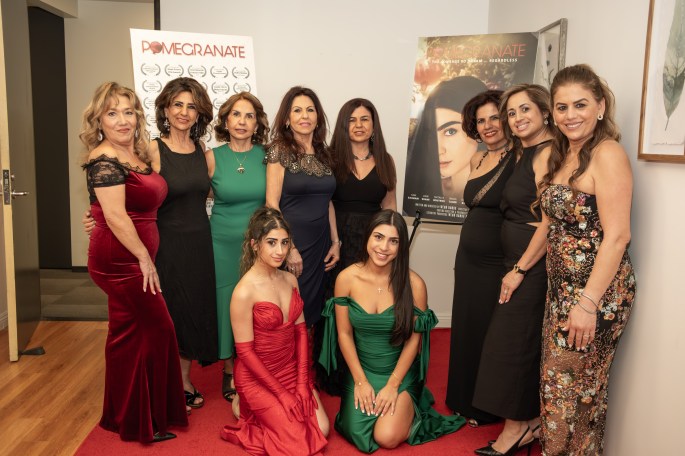
Before its wide release, Pomegranate had its exclusive premiere in Los Angeles on February 27, bringing together cast, crew, and supporters for a night of celebration. As someone who attended the premiere, I was struck by the energy in the room—a shared excitement for a film that promises to transform how Middle Eastern women’s stories are told. From the red carpet to the post-screening discussions, it was clear that Pomegranate is much more than a movie—it’s an inspiring movement.

At its core, Pomegranate is a story that centers women’s voices, their struggles, and their triumphs. The film explores themes of identity, resilience, and the power of storytelling. In an industry—and a world—that often sidelines women’s perspectives, especially in Middle Eastern contexts, Pomegranate breaks barriers by putting women at the forefront.

Click below to see where you can watch the film in 25 countries!

The Power of Representation

The Middle East has long been portrayed through a narrow lens in global media, often shaped by stereotypes that fail to capture the region’s rich diversity and complexity. Pomegranate challenges these depictions by offering a story rooted in authenticity, told through the eyes of women who refuse to be silenced.

The film is not only a celebration of Middle Eastern culture but also a reminder of the universal struggles women face and overcome. By focusing on female protagonists navigating personal and societal challenges, Pomegranate humanizes their experiences in a way that resonates across borders.

Why Pomegranate Matters

Released during Women’s History Month, Pomegranate is a timely reminder of the importance of women’s voices in shaping cultural narratives. The film’s release on March 4 is symbolic—it ties into a month dedicated to honoring women’s contributions throughout history, while also urging us to reflect on the work that still needs to be done for gender equality.

International Women’s Day, celebrated today, reminds us of the global fight for women’s rights and representation. Pomegranate amplifies this message by showcasing how women can redefine the stories told about them—and by them.

A Call to Action

The release of Pomegranate is more than just a cinematic event; it’s a call to support women storytellers and creators. As audiences, we have the power to shape what stories are told by choosing what we watch, share, and celebrate. Films like Pomegranate remind us that representation matters—and that when women take control of their narratives, the world listens.

This Women’s History Month, let’s celebrate the women who are changing the face of storytelling. Let’s amplify their voices, honor their stories, and continue pushing for a future where every woman’s perspective is valued.

If you haven’t yet seen Pomegranate, make it a priority this month. It’s more than a film—it’s a movement.

Happy International Women’s Day!