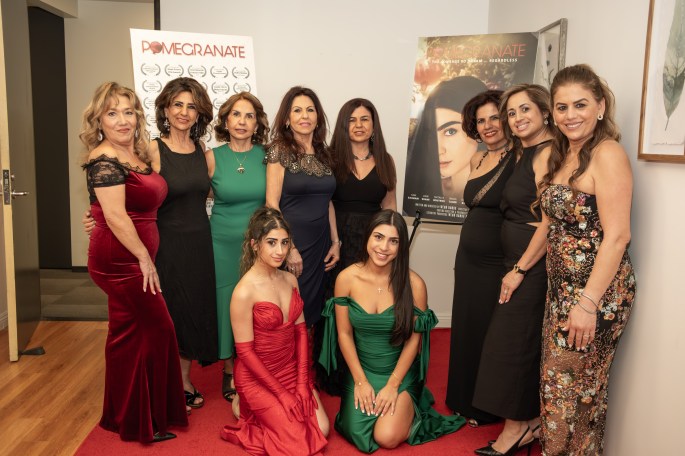
Pomegranate: A Dream Realized

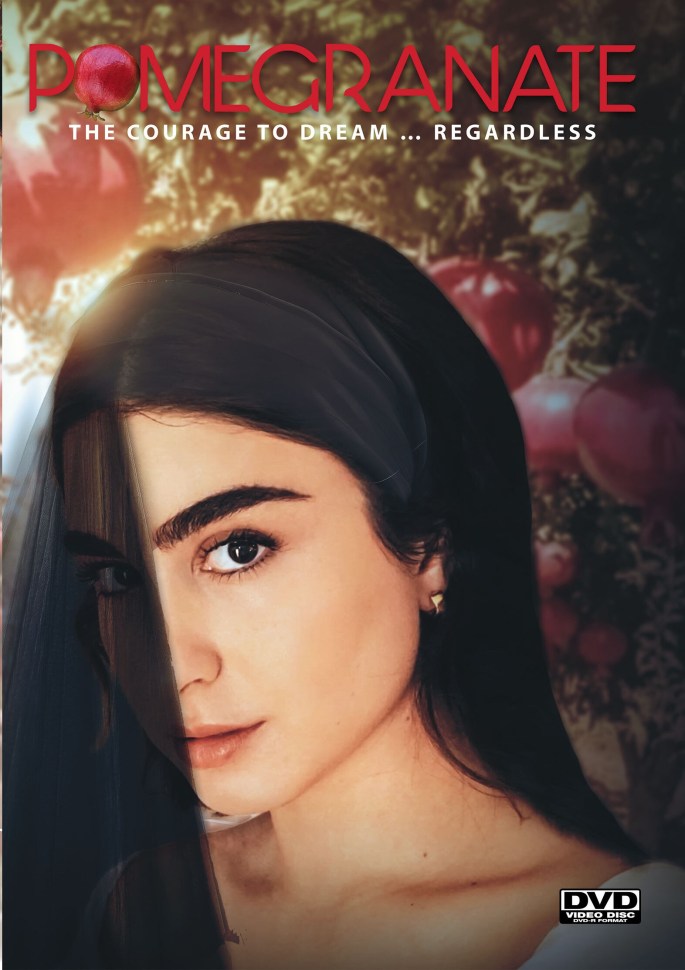
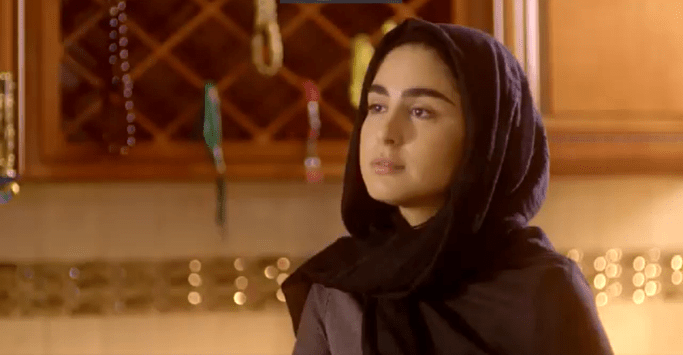
After ten years of dreaming, creating, and persevering, my feature film Pomegranate will finally be released on March 4th to audiences across 25 countries. This is not just a releaseโ€”it is the realization of a vision that has grown and transformed over a decade. Pomegranate is a story of identity, resilience, and cultural connection, brought to life through the voices of women, and I couldnโ€™t be more grateful to share it with the world.

As I reflect on this journey, I am reminded of the wisdom held in the changing seasons.

Winter is the season of stillness, a time when the earth rests beneath its frost-covered blanket. It is the quiet between breaths, a sacred pause where we are invited to retreat inward and reflect on the landscapes of our lives. What have you built with your hands and heart?

Winter is the keeper of wisdom, asking us to take stock of what we have planted and nurturedโ€”what has bloomed, what has withered, and what awaits the kiss of springโ€™s warmth to awaken. It is a time to cradle your accomplishments gently, to honor the path youโ€™ve walked, and to ready yourself for the season of renewal that lies ahead.

In this quiet season, may you find beauty in the stillness, peace in the shadows, and love in the sanctuary of your soul. May you emerge from winterโ€™s dreamscape into the golden light of spring, renewed and alive with all that you have become. Stand where you are, take in the horizon, and know that from this place, anything is possible.

As Pomegranate makes its way into the world, I carry with me the lessons of the seasonsโ€”of patience, of resilience, and of the endless potential for new beginnings.

With heartfelt gratitude,
Weam Namou

(Pomegranate will be released on March 4th in 25 countries. Stay tuned for updates and screening details!)

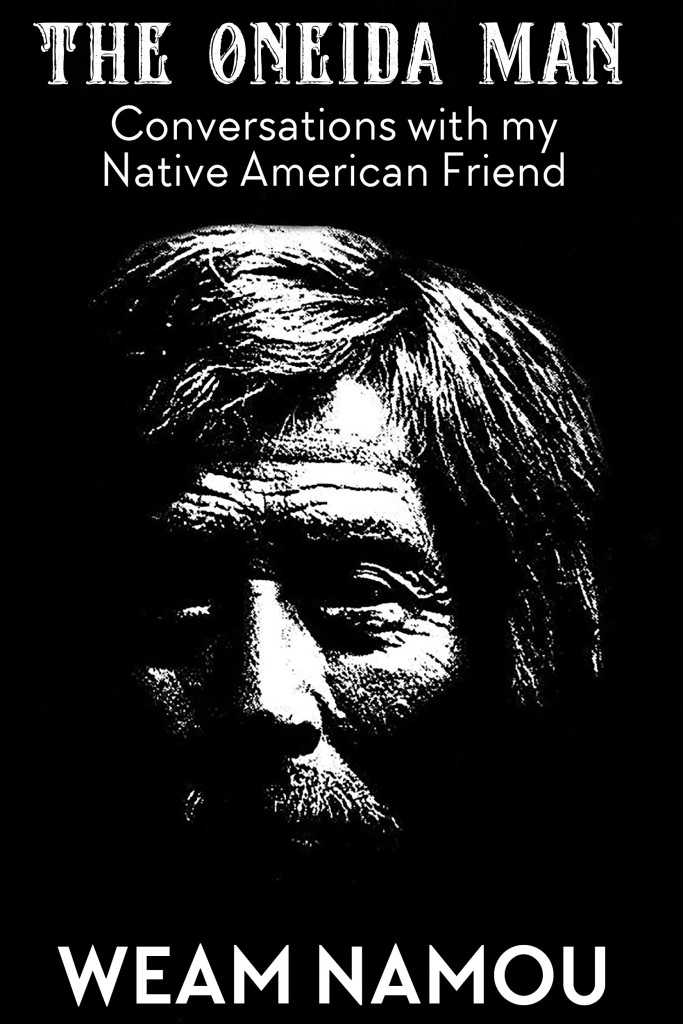
The Oneida Man – My Native American Friend

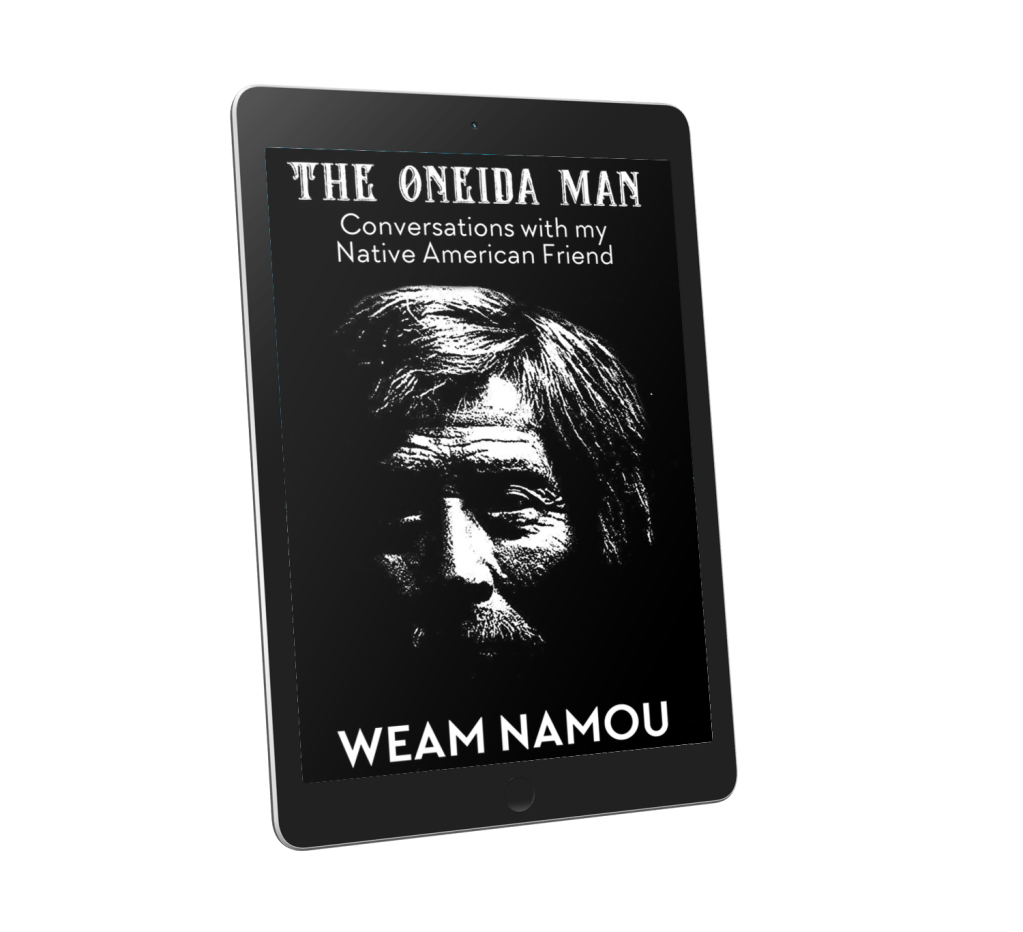
An old friend, the Oneida Man, and I share Indigenous heritage, which inspired my book about our engaging conversations. Itโ€™s available for FREE until December 3rd.

November is a time to honor the rich cultures, histories, and contributions of Indigenous peoples.

As a Chaldean, I recognize the unique languages, traditions, and deep connections to ancestral lands shared by all Indigenous people, including various groups from Mesopotamia, modern-day Iraq.

This book celebrates and uplifts these voices together.

Get your FREE copy here https://a.co/d/5Euvtpy

Here’s an excerpt from the book:
I found him peculiar, but yet, when he talked, he said in
triguing things. Some things I jotted in my journal. Others I
added later in my books, and others I turned into published
poems. One such poem is Love, Justice, and Turtle Soup

Love, Justice, and Turtle Soup

A Native American man with long hair
walked into my place of business one day
and verbally handed me a recipe,
though I did not cook at the time โ€“
and now that I do cook, I doubt
I could follow the instructions he gave to me,
though Iโ€™ll never forget the recipe.

He said, nonchalantly:
โ€œIf you want to make homemade turtle soup, you have to be careful and you must wait..
You’d want to catch a sea turtle because you get thirty or more pounds of meat from it – depending on weight. You need help too. A couple of men would do, to place the turtle inside a garbage barrel filled with fresh water. Close the lid and leave it there to starve.
It sounds brutal, I know, but there’s no other way to do it if you want to have homemade turtle soup. Sea turtles can live up to a hundred years, so it takes a while for them to die. If someone tried to slaughter them, they’d release a poison into their system that would kill anyone who ate from it. One must therefore keep the area surrounding the garbage barrel quiet so the turtle doesn’t think it has been caught by anyone but itselfโ€ฆ.
Turtles have a bad memory and will forget they were trapped.โ€

People trap each other like that and call it love.

Elephants, on the other hand, don’t forget.
If someone tried to hurt them, they come back in a hundred years to step on them.

People avenge each other like that and call it justice.

Happy International Women’s Day โค๏ธ

Dear readers,

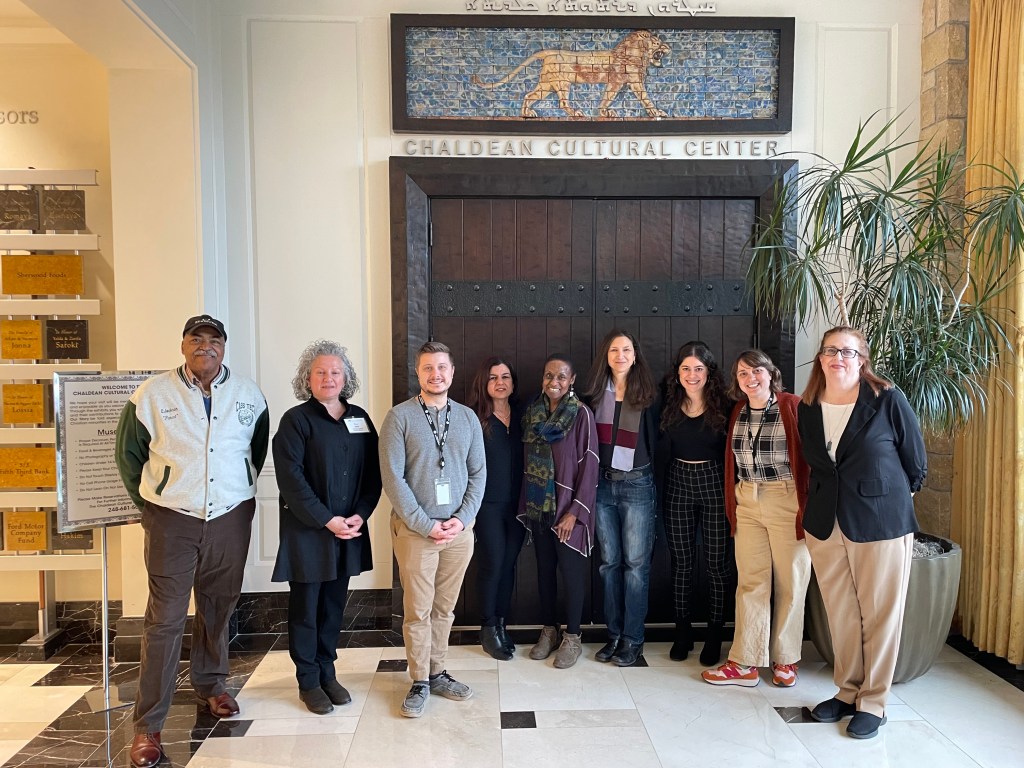
Today the Detroit Historic Designation Advisory Board visited the Chaldean Cultural Center! It was a wonderful visit that included a tour of the Chaldean Museum, beautiful dialogue, and of course chai and tekhratha (meat and cheese pastries)!

The board is using Underrepresented Communities Grant from the park service to fund an historic property survey of Detroit sites related to Arab and Chaldean community history. Based on community feedback, a site related to Arab and Chaldean history will become a listed place in the National Register.

During the tour, I shared with them, as I share with everyone who visits the museum, the story of Enheduanna, the first writer in recorded history. The daughter of King Sargon, she was a princess, priestess, and poet. I also shared the story of Gula, the goddess of healing, and Ninkasi, the goddess of beer, and the list goes on and on, and all are included in my book Mesopotamian Goddesses: Unveiling Your Feminine Power.

“Have you posted about these women today?” a lady asked. “It’s International Women’s Day!”

“No, I haven’t,” I said.

“You should!”

“Women were oppressed for a long time, and men were not,” another women else said. “That’s why there isn’t a day designated for men..”

So, here I am, for the first time in five months, writing a blog post, a post to give gratitude to and honor all the women in my life who have raised and supported me. To recognize the women of ancient times which history tried to silence. To be thankful for living in a time and place where people want to hear and uplift the voices of women, those living and those of our past.

To learn more about Mesopotamian Goddesses, click here:

Facing the Middle East’s Dark Side for a Path of Healing and Reform

I was on a cruise trip with a group of friends and family members when, the day before our trip ended, we saw on TV horrific acts of terrorism against Israeli civilians. We looked at each other and, shocked, said, “This is just like ISIS.”

The majority of those in our group had experienced some type of violence or oppression while living in Iraq. One man, during the early 70s, was snatched from his home and, without trial, condemned to execution for purchasing binoculars. He, a Christian, was accused of working as a spy with the Jews. He was able to convince the sergeant he’s not a spy and that he’d purchased the binoculars for personal interests. His wife remembers her school being forced to witness the hanging of the Jews at the public execution. A Muslim Kurdish woman was beaten by her three brothers for falling in love with a Christian man and went into a coma for a week. She ended up escaping out of Iraq and marrying the man.

There used to be a saying in the Middle East “After Saturday Comes Sunday” which meant, after we get rid of the Jews, a successful campaign in Iraq, then it’s the Christians’ turn, which was 90% successful so far. That region’s dark side is its inability to look within for a solution rather than point fingers. It has so many issues regarding diversity, women’s and children’s rights, and human rights. People rant about colonization when Muslims and Arabs colonized the entire Middle East over 1500 years ago, when the majority of the people were Christian and spoke Aramaic. Since then, the average Jew, Christian, and Muslim has tried to find ways for us to live together but extremist groups in those regions always ensured that does not happen.

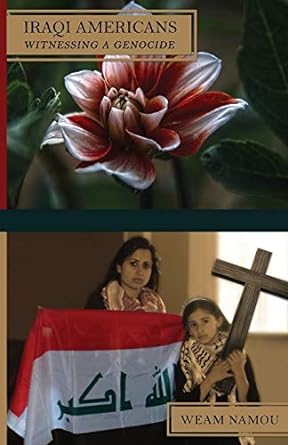
What truly saddened many of us is seeing worldwide rallies passionately and immediately cheering the slaughter of people. Interestingly, no such groups came out when ISIS was killing Christians, Yazidis, Shias, and other minorities in Iraq in 2014. When ISIS attacked our ancestral land, I wrote a book called Iraqi Americans: Witnessing a Genocide and addressed all the groups who suffered at the hands of the terrorist group, or during the US invasion, such as the Sunnis. Why? Because my heart bled equally for all of them!

Palestinians deserve to have their own land, but these tactics are, to put it mildly, not wise and they are actually hurting the people in Gaza. The perpetual patterns of violence in the Middle East will continue without serious introspective. No peace will be experienced otherwise. War and vengeance are not the answer, not for the Palestinians, not for the Israelis, not for anyone. The definition of insanity is doing the same thing, expecting different results.

The same week that Hamas brutally attacked Israelis, my 16th book came out, The Oneida Man: Conversations with my Native American Friend. Chapter One of the book begins with the day I attend with my young children a neighborhood protest against the 2014 ISIS attacks. Since then, Iraqi Christians, Yazidis, and other minorities have faced significant challenges and continue to struggle with the aftermath of the mass killings, abductions, and forced conversions. Like Native Americans, the indigenous people of Iraq have suffered a great deal and have lifelong traumas. The difference is that my birth country has done little, if anything, to help heal these wounds.

Years later, I wrote a book called Pomegranate, which went on to be an internationally multi-award winning feature film, to help bring forth dialogue about tensions between the Christian and Muslim community in American as well as showcase the beautiful side of the Arab world. The Detroit Free Press featured it in its Entertainment Section, but the Muslim community cancelled the book talk organized by an interfaith organization.

The film has won over a dozen awards from around the world (France, New York, Italy, India, Sweden, Amsterdam, and elsewhere). It was currently chosen as an Official Selection World Independent Cinema Awards (Los Angeles). You can purchase tickets until Oct. 17 to get one week access to the film.

During my apprenticeship in Lynn V. Andrews’ mysticism school, I was asked to look at my dark side. In shamanism, the concept of the “dark side” typically refers to the shadow or hidden aspects of oneself. It represents the parts of the self that are repressed, denied, or considered negative or unacceptable. These can include unresolved traumas, fears, desires, or aspects of one’s personality that are considered undesirable. This was a tough thing to do, but also it was necessary in order to heal the traumas associated with my birth country, Iraq, and transform.

In these extraordinary times characterized by violence and destruction, there is an urgent call for us to engage in deep introspection for personal and collective growth and transformation. But to do that, we Middle Easterners must look at our dark side and have honest conversations.

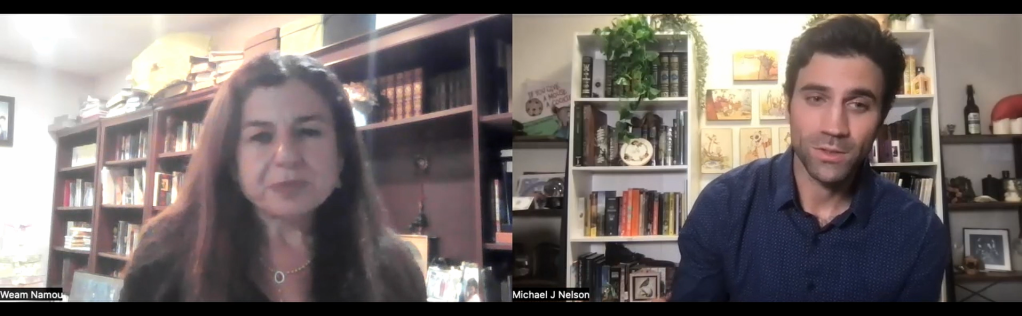
Watch recent interview about Pomegranate And don’t miss out on the opportunity to watch and vote to show your support and help it reach even more people. Let’s amplify its impact and inspire a wave of transformation around the world. ๐Ÿ—ณ๏ธ๐ŸŒŠ

The Power of Persistence for Writers and Filmmakers

A lot of people ask me for advice on how to overcome rejection and achieve success in their writing and film career. My answer is basically to never give up. I speak from experience.

My feature documentary, The Great American Family, was recently made available on Amazon Prime. I started this project in 2010, wrote a book with the same title which won an Eric Hoffer Award in 2017, and completed the documentary in 2018. The documentary won several international film festival awards. I ended up signing a shopping agreement with a producer in Los Angeles and received represenation from a production company in Beverly Hills, California. Still, the film became stagnant. Meanwhile, I continued with my other project, a script called Pomegranate (currently a feature film touring festivals) Check out Pomegranate’s Trailer and Teaser

The Great American Family (trailer)

After producing Pomegrante into a feature film, I began to submit it to festivals and realized that The Great American Family qualified for submission as well. Much of the restrictions placed on films prior to COVID no longer existed or were more lax- such as the year the film was completed and whether or not it was streaming. As a result, the film won over 8 film awards, and it’s still touring festivals. This raised the film’s visibility on IMDB and within a few months the trailer went from having around 1,600 views to today nearly one million views (941k). Simultaneously, the trailer for Pomegranate gained to-date 2.6 million views. As a result it’s now available on Amazon Prime and soon will be available on other streaming channels that focus on documentaries.

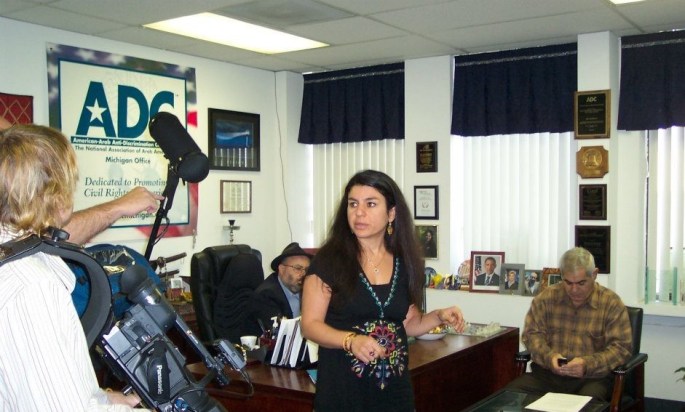
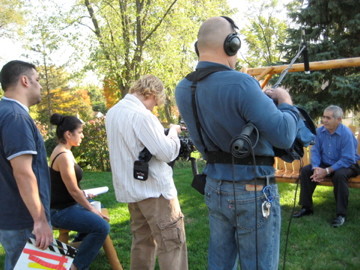
Behind the scenes of The Great Aemrican Family

This was all the result of hard work and even more importantly, persistence. As a writer and filmmaker, persistence is one of the most important traits you can possess. Whether you’re trying to get your first project off the ground or pitching a new idea to investors, the road to success in the publishing and film industry is often paved with rejection and setbacks. But, as with any creative pursuit, the power of persistence can help you overcome these challenges and achieve your goals.

The first step to harnessing the power of persistence is to have a clear vision of what you want to achieve. This means setting specific, measurable goals for your projects, whether it’s securing funding, finding the right cast and crew, or landing that elusive distribution deal. Once you have a clear vision in mind, you can start taking action towards achieving those goals, even if progress is slow at first. Be patient!

One of the biggest challenges of being a writer and filmmaker is dealing with rejection. It’s not uncommon for even the most successful filmmakers to face rejection, whether it’s from investors, film festivals, or distributors. But, the power of persistence lies in your ability to keep going, even in the face of rejection. Rather than letting rejection discourage you, use it as a learning opportunity to improve your craft and refine your approach.

Another key aspect of persistence is the willingness to adapt and pivot when necessary. As a writer and filmmaker, you need to be flexible and open to new ideas and approaches. If one strategy isn’t working, don’t be afraid to try something else.

Ultimately, the power of persistence is about staying committed to your vision and your goals, no matter how challenging or daunting the road ahead may seem. It’s about having the resilience to weather setbacks and the determination to keep going, even when the odds are stacked against you. By cultivating this mindset and approach, you can harness the power of persistence to achieve success as a filmmaker. So, keep pushing forward, stay focused, and remember that persistence pays off in the end.

Check out The Great American Family on AMAZON PRIME I would be grateful if you can leave a review. Your feedback and support is valuable to me and I apprecaite your time and effort in advance.

My Native American Friend

Iโ€™m currently working on a book about conversations Iโ€™ve had with my Native American friend. Conversations about non-typical topics. He would visit the video store where I worked for twelve years and chit-chat. Mostly, he did the talking. I listened, trying to understand the purpose behind his presence.

He said things that often stimulated my creativity and led me to write a poem or two, or to simply rethink history. To consider how our histories โ€“ me as a Chaldean and he as a Native American โ€“ were related. He transferred plain ideas into unique and priceless treasures. He is a matter-of-fact type of guy, a simple man living a meager existence. But then, little by little, he reveals himself as a profound person. Through these conversations, we see his wisdom and his willingness to admit to uncertainty. His humor and playfulness, wry judge of character and his offbeat sense of humor, is intriguing.

One of his visits resulted in this poem that was published by SNReview over ten years ago. https://www.snreview.org/0210Namou.html

Love, Justice, and Turtle Soup

A Native American man with long hair
walked into my place of business one day
and verbally handed me a recipe,
though I did not cook at the time โ€“
and now that I do cook, I doubt
I could follow the instructions he gave to me,
though Iโ€™ll never forget the recipe.

He said, nonchalantly:
โ€œIf you want to make homemade turtle soup, you have to be careful and you must wait.. You’d want to catch a sea turtle because you get thirty or more pounds of meat from it – depending on weight. You need help too. A couple of men would do, to place the turtle inside a garbage barrel filled with fresh water. Close the lid and leave it there to starve.

It sounds brutal, I know, but there’s no other way to do it if you want to have homemade turtle soup. Sea turtles can live up to a hundred years, so it takes a while for them to die. If someone tried to slaughter them, they’d release a poison into their system that would kill anyone who ate from it. One must therefore keep the area surrounding the garbage barrel quiet so the turtle doesn’t think it has been caught by anyone but itselfโ€ฆ.

Turtles have a bad memory and will forget they were trapped.โ€

People trap each other like that and call it love.

Elephants, on the other hand, don’t forget.
If someone tried to hurt them, they come back in a hundred years to step on them.

People avenge each other like that and call it justice.

Interview about my latest book

“Little Baghdad”


Upcoming Interviews for This Month

Check out my YouTube channel where you can watch the interviews live and subscribe. Be sure to set reminders/alerts so you can stay updated on Live and uploaded content.

You can also now find me on Tik Tok, where Iโ€™m letting loose and sharing morsels of my life.

Pomegranate Trailer is Out!

Happy New Year! Hope you had a magical Christmas season.

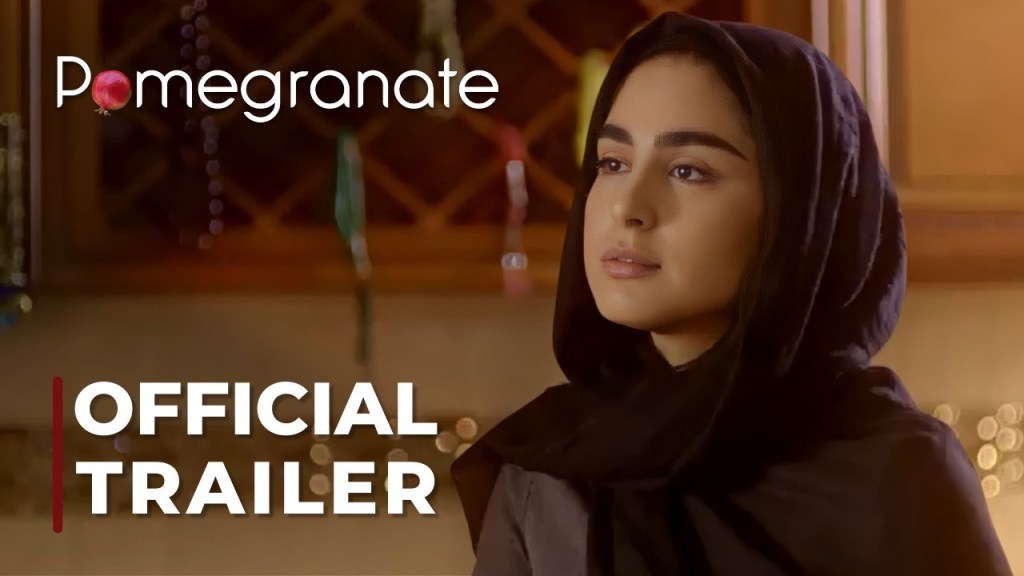
Last month was quite exciting with holiday celebrations and completing projects I’ve been working on for years. I completed my 15th book, Little Baghdad: a Memoir about an Endangered People in an American City, which will be released on January 15, 2023, Martin Luther King Jr.’s birthday. Around the same time I’ll begin submitting the feature film Pomegranate to film festivals. And I’m excited to announce that the trailer was just released click HERE to watch now.

This film for me is special and unique for countless reasons, one of them being that it’s the first Iraqi American feature film and led by women talent. The main character, Niran, is influenced and inspired by Enheduanna, a princess, priestess, poet, and the first recorded writer in history from ancient Mesopotamia. In the story, Niran channels Enheduanna’s sense of power, creativity, and individuality through poetry.

Eneheduanna’s disk was discovered in 1927 yet she is hardly recognized in the world. Myself, I have raved about her in all my talks and several of my books since I came across her name over a decade ago. I dedicate a chapter on Enheduanna in my book Mesopotamian Goddesses: Unveiling Your Feminine Power.

If you still haven’t read the book Pomegranate, click HERE to check it out! (available in print, eBook, and audiobook)

Click the images below to read my articles that were published this month for the Chaldean News

CHALDEAN CATHOLICS IN INDIA 

Built in 1814, Marth Mariam Cathedral is a Chaldean Syrian Churchโ€”the oldest church in Thrissur, a town in Kerala in southern India. This is where people from the Middle East settled long before St. Thomas arrived at its coast in 52 A.D. to spread the Gospel. They came because it was an international trade center. It was known for its natural resources, such as black pepper, which was highly in demand in the West because it wasย used as an antibiotic.
INSIDE IRAQ - A TALE OF THREE MAYORS                                        
This article includes an interview with Iraq's first woman mayor Lara Zara. She recently escaped a bomb explosion intended to kill her. โ€œThe plan succeeded but it didnโ€™t accomplish its goal of killing me,โ€ she said. โ€œIt raised my resistance.โ€

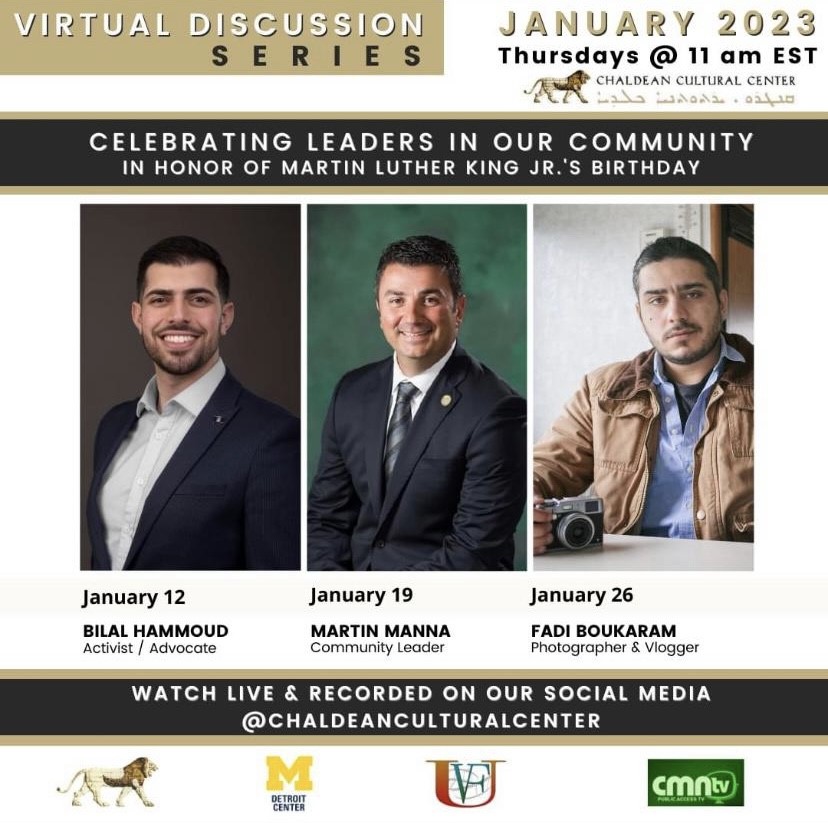
Every month, I interview remarkable individuals on a weekly basis for the Virtual Discussion Series in partnership with Unique Voices in Films, the Chaldean Cultural Center, CMN TV and U of M [Detroit Center]. Below are the upcoming interviews for January.

Check out my YouTube channel where you can watch the interviews live and subscribe. Be sure to set reminders/alerts so you can stay updated on Live and uploaded content.

You can also now find me on Tik Tok, where Iโ€™m letting loose and sharing morsels of my life.

Living Tribal in a Democracy

โ€œYouโ€™ve moved away from each other. Youโ€™ve torn apart your families, disassembled your smaller communities in favor of huge cities. In these big cities, there are more people, but fewer โ€˜tribesโ€™, groups, or clans where members see their responsibility as including the responsibility for the whole. So, in effect, you have no elders. None at armโ€™s reach in any event.โ€

Neal Donald Walsh

I grew up dismissing the value of what my ancestry had to offer me, which was overshadowed by a patriarchal system that defines women from that point of view.  I was influenced by a young and modern generation that assumed they had life figured out, and as a result, tended to ignore the older generationโ€™s way of thinking.

But shortly after I became a mother, things changed. I began searching into my personal genealogy and quickly became fascinated by what I discovered about my ancestorsโ€™ cultural identity, my โ€œtribeโ€ whose tribal ways date back thousands of years. Within a decade, I awoke to answers Iโ€™d been looking for: Who am I?  Who are my people? I already knew where I came from – Iraq, but the physical distance between that place and myself and the human misery associated with it, kept me from truly understanding and appreciating its ancient history, culture, and language.

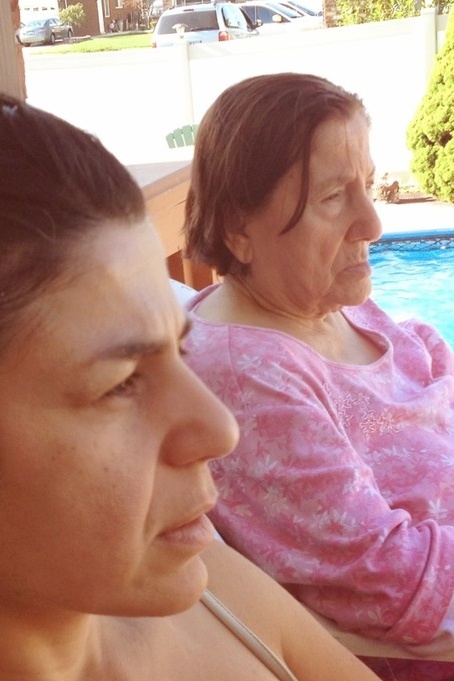
My mother and I

My research shed light on my people, the Chaldeans, an indigenous Aramaic-speaking group whose lineage dates back to ancient Mesopotamia, and it shifted my views. In television and movies, tribal lifestyles are stereotyped as backwards or romanticized as mysterious and belonging to uncontacted tribes. I soon realized that if not documented, the rewarding side of this ancient tradition will be wasted. So in 2007, I began filming a documentary that included interviews and archival footage. I  interviewed my mother, sisters, nieces, cousins, and uncleโ€™s wives about how it feels, as women, to live tribally in a democracy. They shared their perspectives, how, despite their assimilation to the westerner lifestyle, they continue to be connected to their instinctual tribal ways that most people repress in civilized life. They embodied an East-West wisdom that we are all in need of today. I called the documentary Living Tribal in a Democracy. 

Over a decade has passed since I began the documentary. Between raising my children, working on various creative projects, and caring for my elderly mother who lived with us, I worked on it sporadically. After my mother passed away in February 2019, I screened and discussed a ten-minute segment of my documentary at Wayne State University at an event called Creative Many. The story received positive feedback and the organizers encouraged me to continue with the project. Thatโ€™s when I realized it was time to revisit and complete the work. The communityโ€™s cultural identity endangered, I felt it especially important to systematize the memories of its people and heritage.

This is when I realized that the story also needs to be written into a book that, similar to the documentary, explores the role that ancient Mesopotamia played in the birth of our contemporary culture. In this book, I show that, although women played a major role in building the cradle of civilization, the rulers of that region tried to destroy/hide that knowledge. This great loss has had consequences for the world. 

The book raises the following questions, which I myself, as someone living tribal in a democracy, struggled with for decades and went to great lengths to find the answers: Are tribal societies models for future societies? How can tribalism and democracy coexist? Would it do the world good to return to some of the old ways, with smaller communities, a higher regard for feminine sacredness, the family system, and the elderly? How can we learn from the ancients, who are often romanticized as warriors or noble savages and we assume live in faraway or remote lands, in the jungles of Peru or in restricted areas such as Indian reservations, and neglect to see their presence in our backyard? Are we aware they do live with us here today? What was the role of women in ancient Mesopotamia, where once upon a time, kings attributed their right to rule through their official marriage to the goddess?

My mother and her great grandson, Mateo

Some of this material became the topic of my book Mesopotamian Goddesses. The rest I bundled up in my upcoming book Little Baghdad: A Memoir About an Indigenous People in an American City, which will be published by the end of this year. As for the documentary, the completion and release of that project is still to be determined.ย  Meanwhile, itโ€™s shelved among my umpteen projects that want to bring to memory the wisdom and importance of ancient ways which revered nature, feminine sacredness, and community.ย 

Once someone asked me why I felt I needed to write so many books. I thought it was a strange question. Would someone ask a surgeon why there was a need to perform operations on a regular basis or a teacher, or any other profession? Still, I reflected on that question and realized that part of the joy in writing my stories is the self-discovery that occurs in the process. How can you connect to the power of your own lineage and discover the richness, beauty and wisdom as well as the wounds and traumas that lie there? Your lineage doesnโ€™t have to be physical heredity, but can be a spiritual lineage. Looking at your heritage will help you come to terms with and understand who you really are, what role you play in the story youโ€™re in, and how to change, if you so desire.ย 


Every month, I interview remarkable individuals on a weekly basis for the Virtual Discussion Series in partnership with Unique Voices in Films, the Chaldean Cultural Center, CMN TV and U of M [Detroit Center].

Check out my YouTube channel where you can watch the interviews live and subscribe. Be sure to set reminders/alerts so you can stay updated on Live and uploaded content.

You can also now find me on Tik Tok, where Iโ€™m letting loose and sharing morsels of my life.

Walking in Balanceย 

When my neighbor has guests, and they gather in the backyard during warm weather days, she will often bring me a small cup of Turkish coffee. She hands it to me over the fence. Sometimes placed on the saucer, next to the small cup, is a stick of chocolate, dried mangos, dried apricots, walnuts, dates, or zlabia, the Middle Eastern equivalent to funnel cakes. When she sees that my husband is home, he too receives a cup of Turkish coffee. We both feel nourished by the hospitality of our Middle Eastern traditional ways. 

I drink the coffee. The bitter but delicious taste is strong and rich. I hear Aramaic words from the neighborsโ€™ home. They sound like birds singing. This ancient language has me traveling to my ancestral land. I journal, read, and remember those who have passed; my mother, my father, one of my precious mentors, and most recently, my dear teacher, Lynn V. Andrews. 

Lynn passed away on August 17 at 4:44 pm. She was a mystic and the bestselling author of the Medicine Woman series. Her four-year Mystery School changed the lives of thousands of her students, particularly women. As such, it ended up influencing the lives of countless men and women, since we all affect each other. For decades, Lynn dedicated her life to the path of writing and healing Mother Earth, the mind, and the heart through ancient practices of the ancients. She had us raise the question, โ€œWhat did they know that enabled them to live successfully on this Earth for so very, very longโ€ฆ that we have forgotten in such a short span of time?โ€ย 

From her and her unique and intimate circle of women, I learned to walk in balance, with one foot in the physical world and another foot in the spiritual world. I learned to heal and transform my life with one act of power after another. I learned to continue to learn on a daily basis. I learned that we have all we need, right where we are. All we have to do is look; then appears the right story, the right job, the answered prayers, the perfect neighborhood and neighbors. 

It was when I was looking that Lynn and her magical world appeared to me. I ended up becoming an apprentice in her school for four years, and later, the mentor for her apprentices. I ended up writing a four-part memoir series about the experience, which later expanded into workshops and classes to pass on the teachings that brought me from dark to light. This has led to many inspiring projects and groups, including this very blog and community called The Path of Consciousness.ย 

Read more about my experience in the Mystery School.

Here’s an interview I did with Lynn V. Andrews:


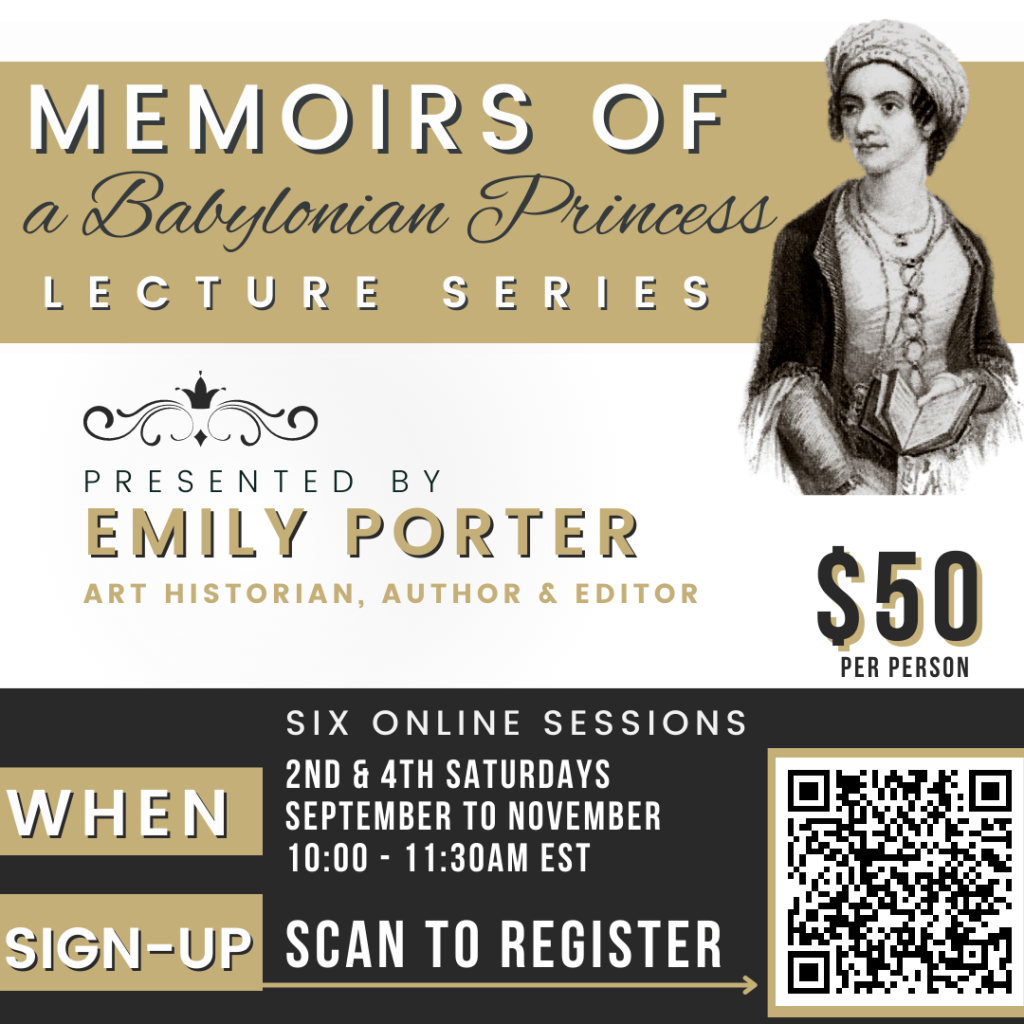
Just a reminder, the online lecture series on the “Memoirs of a Babylonian Princess” begins this Saturday, September 10, 2022. If you’d like to register you can email info@chaldeanculturalcenter.org or use the QR code below.


Every month, I interview four remarkable individuals on a weekly basis for the Virtual Discussion Series in partnership with Unique Voices in Films, the Chaldean Cultural Center, CMN TV and U of M [Detroit Center].

Check out my YouTube channel where you can watch the interviews live and subscribe. Be sure to set reminders/alerts so you can stay updated on Live and uploaded content.

You can also now find me on Tik Tok, where Iโ€™m letting loose and sharing morsels of my life.

Mesopotamian Goddesses: Unveiling Your Feminine Power

Archaeological evidence suggests that women in ancient Mesopotamia held high governmental and religious positions during the Garden of Eden period when goddesses and gods coexisted peacefully. The Garden of Eden was said to have had a design and a rhythm, a yin and yang concept. We seem to have lost that paradise because of the veil of ignorance. I believe that, to re-establish that equilibrium, we must first heal our that land by resurrecting specific stories and re-enacting them on the page and in our collective memory.

I spent the last few months posting on TikTok about the goddesses in my book Mesopotamian Goddesses: Unveiling Your Feminine Power. Although I have done many presentations on this topic, I have not read this book since it was released in January 2019. Re-visiting these goddesses through the pages brought me back to the realization of the power that women had in ancient times.

Source: Wikipedia

In the book, I draw from my extensive shamanic training and connection to my Mesopotamian roots to bring forth a transformed understanding of feminine consciousness, guiding the reader through powerful yet practical exercises to manifest their dreams and create a healthy marriage within the one’s self, home, and society. I share my interest, research, and connection to Mesopotamia, the cradle of civilization, and the amazing women who lived there historically, explaining where that region is today (in Iraq), its link to the Bible, and the culture and people that came from there. Each deity has her own chapter in which I tell her story: Enheduanna, a princess, priestess, and the first writer in recorded history; Gula, the Great Healer; Namshe, the goddess of Social Justice; and many others.

Today Iโ€™ve completed my Mesopotamian Goddesses TikTok series, and next I will start posting about Pomegranate, which we just completed the rough cut of! Working on the Pomegranate script, the book, the audiobook, and now the film, has been an amazing unforgettable experience. Iโ€™ve produced and directed a feature documentary before, but never a feature narrative. Itโ€™s a whole other ball game, requiring the kind of patience, talent, and collaboration that made me understand why I often heard along this journey that โ€œMost films donโ€™t get made.โ€ I’m so glad we were able to make Movie Magic happen!

If youโ€™re interested in mythology, history, feminine strength, spiritual lessons, heritage, love, then you will enjoy reading Mesopotamian Goddesses: Unveiling Your Feminine Power.

Itโ€™s available as an eBook and in print.

Source: Wikipedia

Every month, I interview four remarkable individuals on a weekly basis for the Virtual Discussion Series in partnership with Unique Voices in Films, the Chaldean Cultural Center, CMN TV and U of M [Detroit Center].

Check out my YouTube channel where you can watch the interviews live and subscribe. Be sure to set reminders/alerts so you can stay updated on Live and uploaded content.

You can also now find me on Tik Tok, where Iโ€™m now beginning a series on Pomegranate.