Reconnect with Nature: Chaldean Insights for Today

This article, written by me, was first published by Words of the Earth as “Adopt a Mindset of Service” on May 15, 2025: Link to the original article.

As a Chaldean, or Neo-Babylonian, I am inspired by my ancestors, who made extraordinary contributions to civilization. From inventing the wheel and developing agriculture to recording the first writer in history–a princess and priestess named Enheduanna–Chaldeans laid the foundations of human progress. They were astronomers who studied the stars to understand their place in the universe and believed in using their gifts in service to others. This ethos of service and ingenuity offers valuable guidance for living sustainably today.
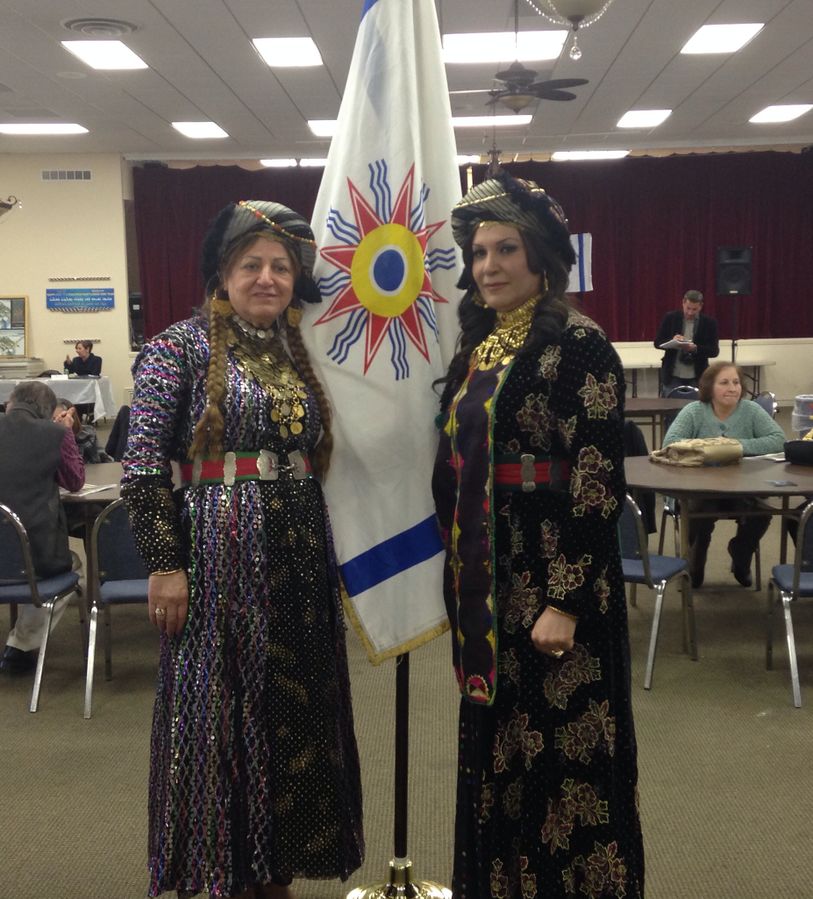
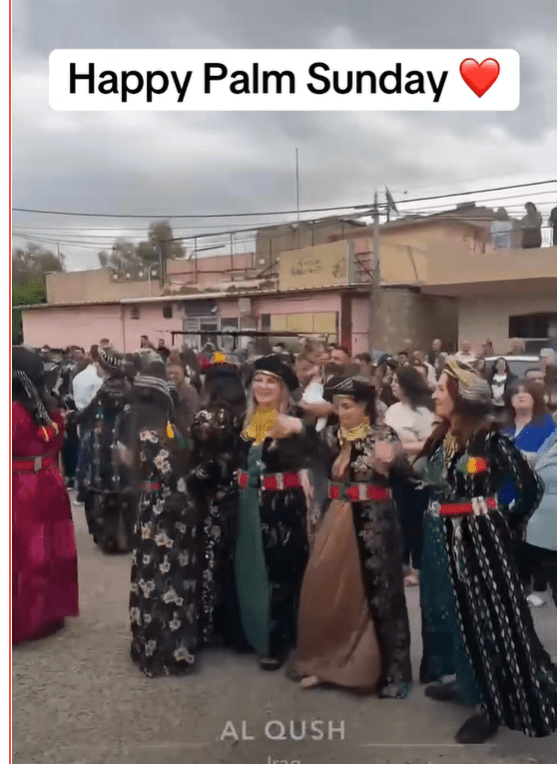
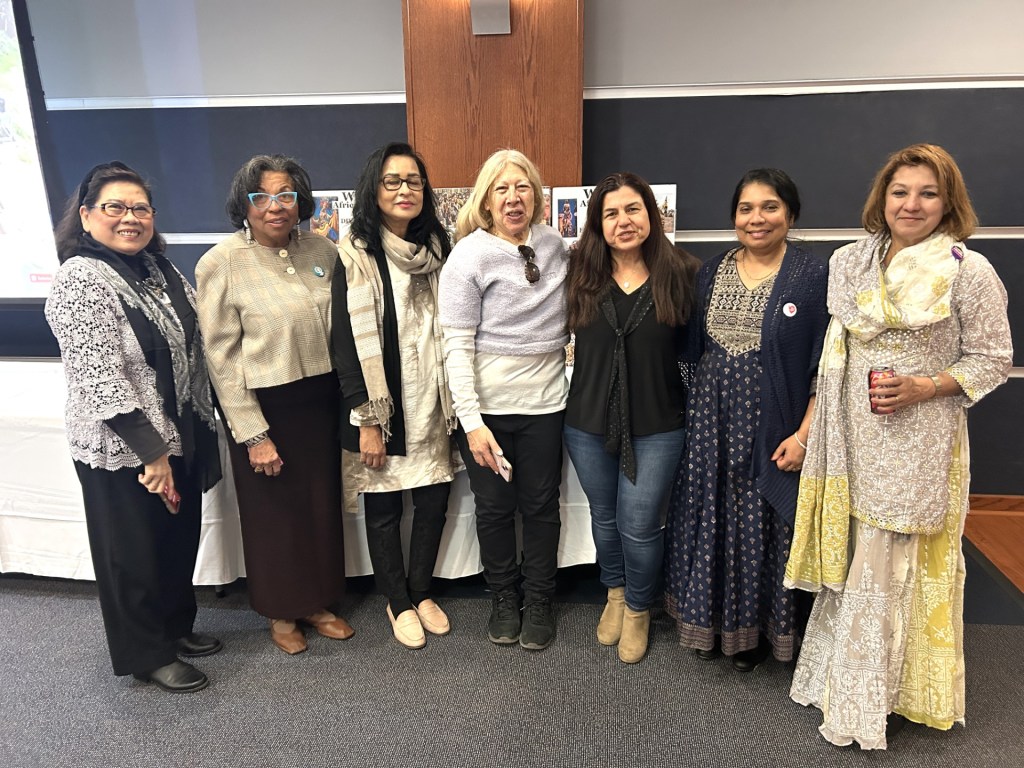
I took a picture of these women during an Akitu Festival at St. Joseph Chaldean Church

Like Native Americans, Chaldeans had a deep respect for nature and understood the interconnectedness of all life. They lived in harmony with the Earth, recognizing that survival depended on balance and reciprocity. Their world also fostered a greater balance between male and female energies, with men and women working together for the higher good. Revisiting these ancient values, alongside modern methods, can teach us how to live more sustainably. Here’s how their wisdom, and my own experiences, influence my approach to sustainability:

Adopt a Mindset of Service: My ancestors saw service as a fundamental duty, believing every action impacts the greater whole. Sustainability begins with this mindset–reducing waste, conserving resources, and contributing to the planet’s well-being.

Reconnect with Nature: As agricultural pioneers, they understood the importance of working with the land. Planting gardens, supporting local farmers, and eating seasonally are simple ways to honor this connection while reducing our footprint.
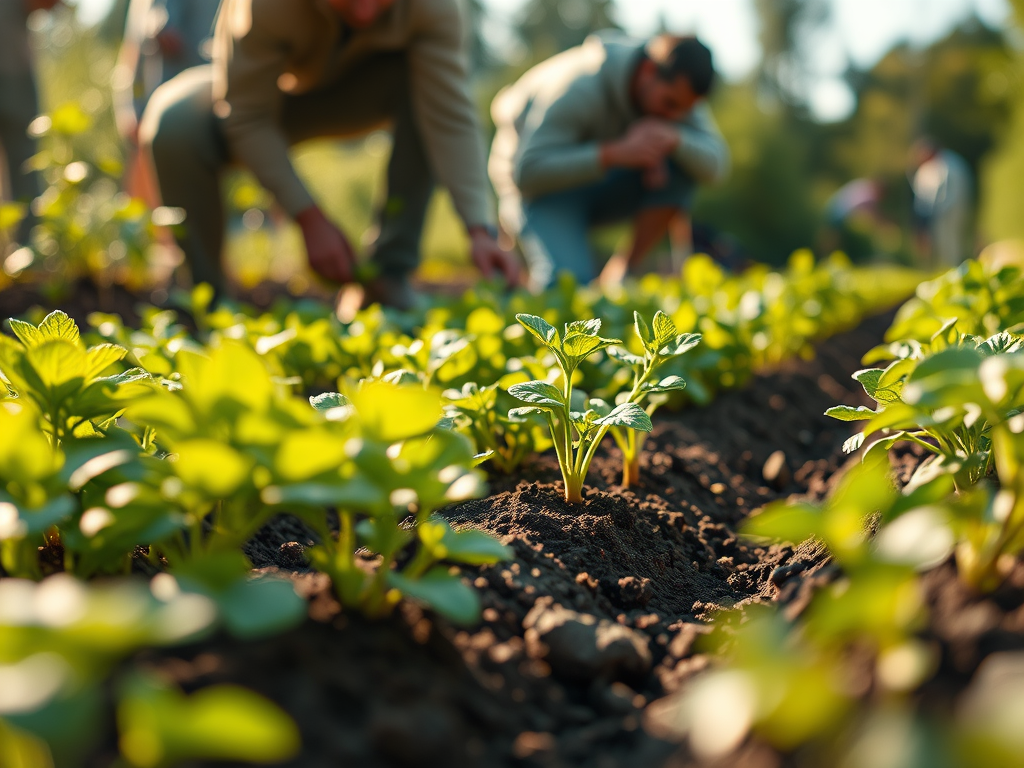
Innovate Simply: Mesopotamians invented tools like the wheel and irrigation systems. Today, we can prioritize energy-efficient solutions, reduce consumption, and creatively repurpose resources–practices that blend innovation and simplicity.

Embrace Interconnectedness: Astronomers by nature, my ancestors viewed the universe as an interconnected whole. Likewise, sustainability requires recognizing that every choice–what we buy, how we eat, how we travel–affects the Earth.

Share Stories and Knowledge: Enheduanna, the first recorded writer, reminds us of the power of storytelling. Sharing knowledge creates awareness and inspires others to embrace sustainable practices.

The Chaldeans rebuilt after immense challenges, demonstrating resilience and adaptability. They did so by blending ancient wisdom with modern practices to create a sustainable world rooted in balance, service, and respect for the Earth.

The Chaldean Magi: Their Spiritual Role in Jesus’ Life

It’s a cold April day, after yesterday’s unexpected heat. The fireplace crackles softly as I cuddle under the covers, laptop set on the hearth. Earlier, I watched Miss Potter, a warm and nostalgic film that perfectly matched the comfort of the moment. Inspired by the quiet reflection of the day, I thought I’d share something I wrote about this morning for my upcoming book—about the Chaldean Magi, their connection to Jesus, and the profound mystery that surrounds their story.

The Magi are often shrouded in a sense of wonder. Described in the Gospel of Matthew as the “wise men from the East,” they followed the star to Bethlehem, bringing gifts of gold, frankincense, and myrrh to honor the newborn Christ. But their story doesn’t end there. Tradition and history link the Magi to the Chaldeans, an ancient priestly class known for their wisdom in astrology, divination, and spiritual practices.

The Magi and Their Role in Jesus’s Story

The Magi’s connection to Jesus is both spiritual and deeply symbolic. After visiting the Christ child, they were warned in a dream not to return to King Herod. Herod, furious at being deceived by the Magi, ordered the massacre of all male children in Bethlehem under the age of two—a tragic event remembered as the Feast of the Holy Innocents. By taking another route home, the Magi not only defied Herod’s evil plans but also played a role in safeguarding Jesus during his vulnerable early years.

But how did the Magi, coming from a non-Christian tradition, recognize the significance of Jesus’s birth? The answer lies in their spiritual heritage.

The Chaldean Magi: Guardians of Ancient Wisdom

The Magi were often associated with the Chaldeans, a people renowned for their mastery of the stars and their ability to interpret divine messages. The Chaldeans’ reputation as wise men and astrologers was so enduring that their name became synonymous with knowledge and mysticism in many ancient texts.

The Magian religion, tied to Zoroastrianism, emphasized the battle between light and darkness—a theme that resonates deeply with the Christian story of salvation. The Magi tended sacred fires, interpreted dreams, and acted as mediators between the divine and the earthly. These roles made them uniquely attuned to the signs in the heavens, such as the star that heralded Jesus’s birth.

Tradition even suggests that after their visit to Bethlehem, the Magi passed through Chaldean villages, celebrating the miraculous birth and planting seeds of faith. Centuries later, these seeds would bloom as Christianity spread to the region.

The Enduring Legacy of the Magi

The story of the Magi is not just a tale of three wise men bringing gifts; it is a profound reminder of how faith and wisdom transcend boundaries. These ancient sages recognized Jesus as the light of the world long before Christianity had fully developed. Their journey symbolizes the universal call to seek truth and to honor the divine, no matter one’s background or tradition.

Writers throughout history, from the priest Berossus to Helena Blavatsky, have marveled at the Magi’s connection to the Chaldeans. Blavatsky, for instance, described the Chaldeans as guardians of mystical and occult sciences, linking them to the broader tradition of the Magi. Their knowledge of the stars and their role as interpreters of divine will gave them a unique place in history as bearers of wisdom and truth.

A Path Illuminated

As I reflect on the story of the Chaldean Magi, I’m struck by their courage and faith. They risked everything to follow a star and honor a child they knew to be extraordinary. Their defiance of Herod’s orders reminds us of the power of choosing righteousness over fear. And their role in protecting Jesus reminds us of the interconnectedness of faiths, traditions, and history.

On this quiet April day, I’m reminded that the Magi’s story is not just about the past. It’s about the ongoing journey we all take to seek light, wisdom, and truth in our lives.

So as the fire crackles and the rain begins to fall outside, I leave you with this thought: What stars are we following today, and how might the wisdom of the past guide us on our own journeys?

Palm Sunday at the Chaldean Church

Today, I attended Palm Sunday at a Chaldean church, a community that traces its roots back to one of the oldest Christian traditions in the world. The church was alive with devotion and joy, its walls echoing with ancient prayers and hymns sung in Aramaic, the language Jesus himself spoke. It was a moving experience, immersing myself in the faith and culture of a community with such a profound connection to history.

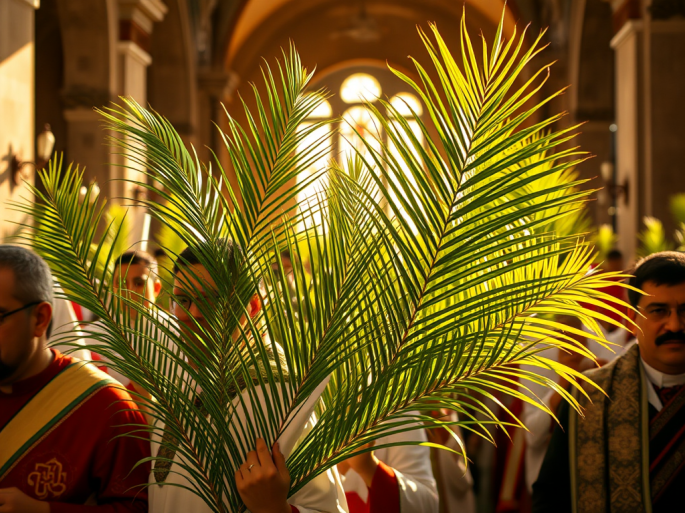
One of the most striking parts of the ceremony was the procession. Members of the congregation walked down the aisle holding palm branches, waving them high in the air as a symbol of reverence and celebration. The atmosphere was electric as women released traditional Middle Eastern mirth sounds—ululations—made during happy occasions like weddings or other festivities, added a layer of cultural depth to the ritual, blending faith and heritage in a powerful way.

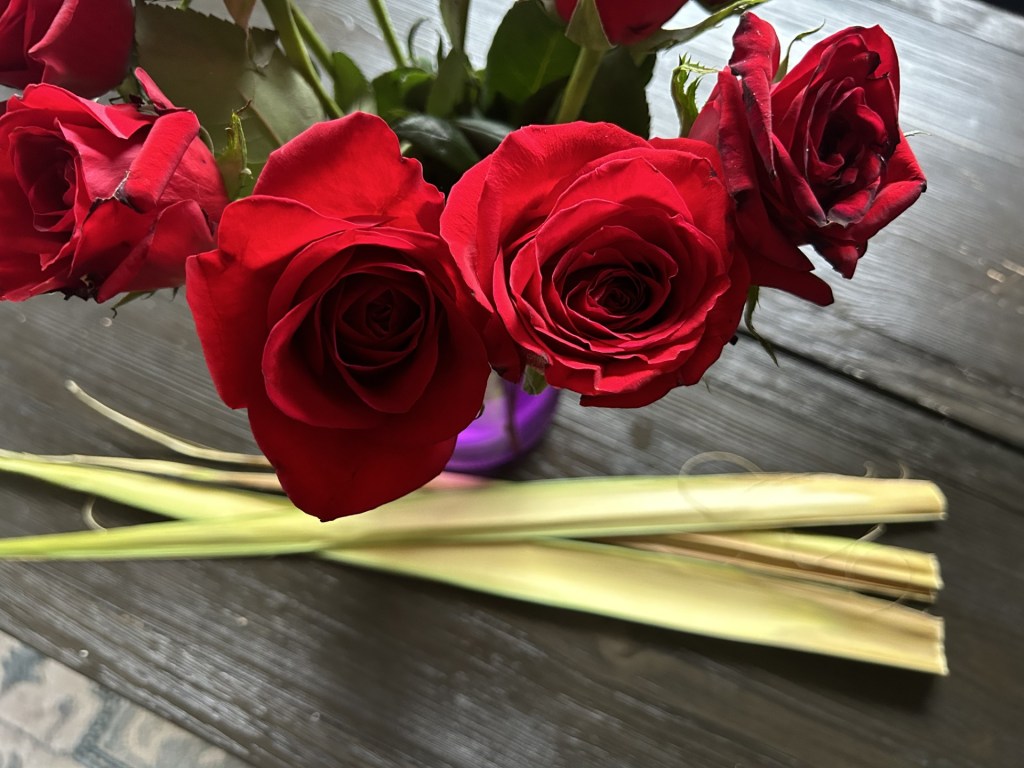
At the end of the celebration, everyone received a palm branch to take home. Holding that simple branch in my hand, I couldn’t help but wonder—what does this symbol truly mean? Was there a deeper story behind it?

When I returned home, after having a late brunch with my family, walking the dog, then taking a nap, I decided to do a bit of research. What I found was fascinating, connecting the palm branch not only to Christianity but to a much older legacy: the traditions and beliefs of ancient Mesopotamia.

Here’s a TikTok clip of the Christian communities celebrating in Iraq. You can follow me there for more colorful clips!
https://www.tiktok.com/@weamnamou/video/7492845930249522478


The Deeper Meaning of the Palm Branch

Palm branches are central to the Christian celebration of Palm Sunday, symbolizing Jesus’ triumphal entry into Jerusalem. They represent victory, peace, and eternal life. But their significance goes back much further in history, to the ancient civilizations of Mesopotamia.

In Mesopotamia—the cradle of civilization and the land that gave rise to the ancestors of today’s Chaldeans—the palm tree was a powerful symbol. It represented life, fertility, and prosperity in a region where agriculture depended on the rivers and the lush vegetation they supported. The palm was sacred, appearing in religious rituals, art, and even mythology.

Palm branches were often associated with deities like Ishtar, the goddess of fertility and love, and Shamash, the sun god. They were depicted in carvings and reliefs, sometimes as part of sacred trees or in scenes of divine blessing. The palm’s connection to life and renewal made it a potent emblem, one that resonated deeply with the spiritual beliefs of the time.

As Christianity emerged and spread throughout the region, it absorbed and reinterpreted some of these older symbols. The palm branch, once a sign of prosperity and divine favor in Mesopotamian culture, became a symbol of Christ’s victory over death and sin. On Palm Sunday, Christians around the world carry these branches as a reminder of Jesus’ sacrifice and the promise of eternal life.

Imagine, the palm branch I brought home today carries that history.

Watch My Journey Tonight on Spotlight Detroit on PBS

Tonight is a special night for Detroit’s creative community! At 9 PM on Detroit PBS, the world premiere of Spotlight Detroit will feature 25 stunning short films, created by the 2025 Kresge Eminent Artist Marion Hayden and the 2024 Kresge Artist Fellows in Live Arts, Film, and Music. These short films—produced by Kresge Arts in Detroit and 7 Cylinders Studio—showcase the incredible collaboration between local artists and filmmakers, highlighting the vibrant stories of our city.

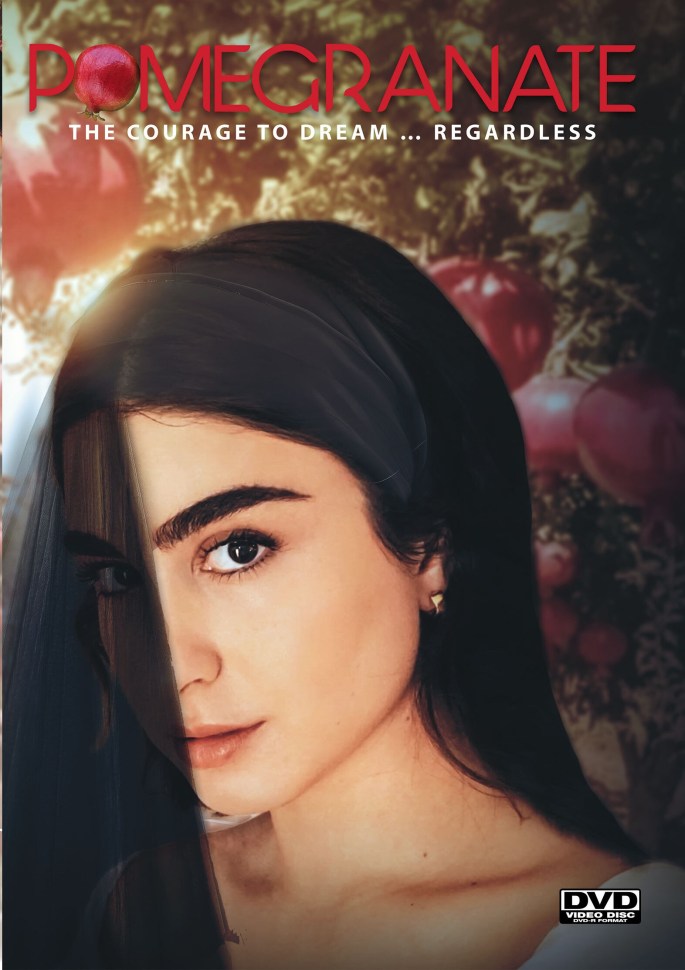
Among these films is a short video about me, directed by the talented Jamal Adams, who played a key role as the editor of my feature film, Pomegranate. I talk about my writing, Pomegranate, and the Chaldean Museum!


My Journey to Kresge and Beyond

Receiving the Kresge Fellowship last year was a turning point in my career. It was my 15th attempt at applying for the award, and when it finally happened, everything aligned perfectly. In 2024, the Kresge award amount had doubled, and it coincided with the release of Pomegranate, amplifying the film’s visibility and impact.

This experience has taught me many lessons, but the most important one is this: persistence pays off. Success takes time, and sometimes the stars align in ways we can’t predict—but when they do, it feels like divine order.

Another lesson I hold close is the importance of elevating others along the way. When Kresge gave me the opportunity to choose a filmmaker to direct my short film, I immediately thought of Jamal. Having worked side-by-side with him for years, I knew no one else could capture the heart of my story better than he could. Jamal was not just my editor on Pomegranate—he became part of my family. He came over for dinners, spent time with me, my husband, my brother, and his wife, and supported me through some of my most challenging moments.

On the set of Pomegranate with Jamal Adams and Lindy Lenk

Jamal Adams: A Filmmaker with Heart

Jamal Adams is not only a gifted filmmaker but also an inspiring storyteller with a passion for uplifting others. If you’d like to learn more about his incredible journey, check out this article about Jamal. His story is one of perseverance, creativity, and community—qualities that truly shine in all his work.


Join Us Tonight

I’m thrilled to share this moment with Jamal and the many other amazing artists featured in Spotlight Detroit. There’s something magical about seeing our city’s creativity and talent on full display, and I hope you’ll tune in to experience it for yourself.

Don’t miss the world premiere of Spotlight Detroit tonight at 9 PM on Detroit PBS!

Watch Pomegranate here and please rate it to support independent filmmakers!

Sharing My Chaldean American Story at the Charles H. Wright Museum of African American History

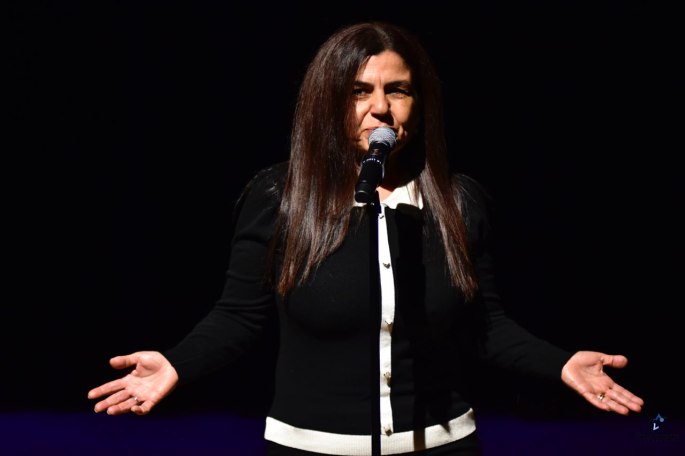
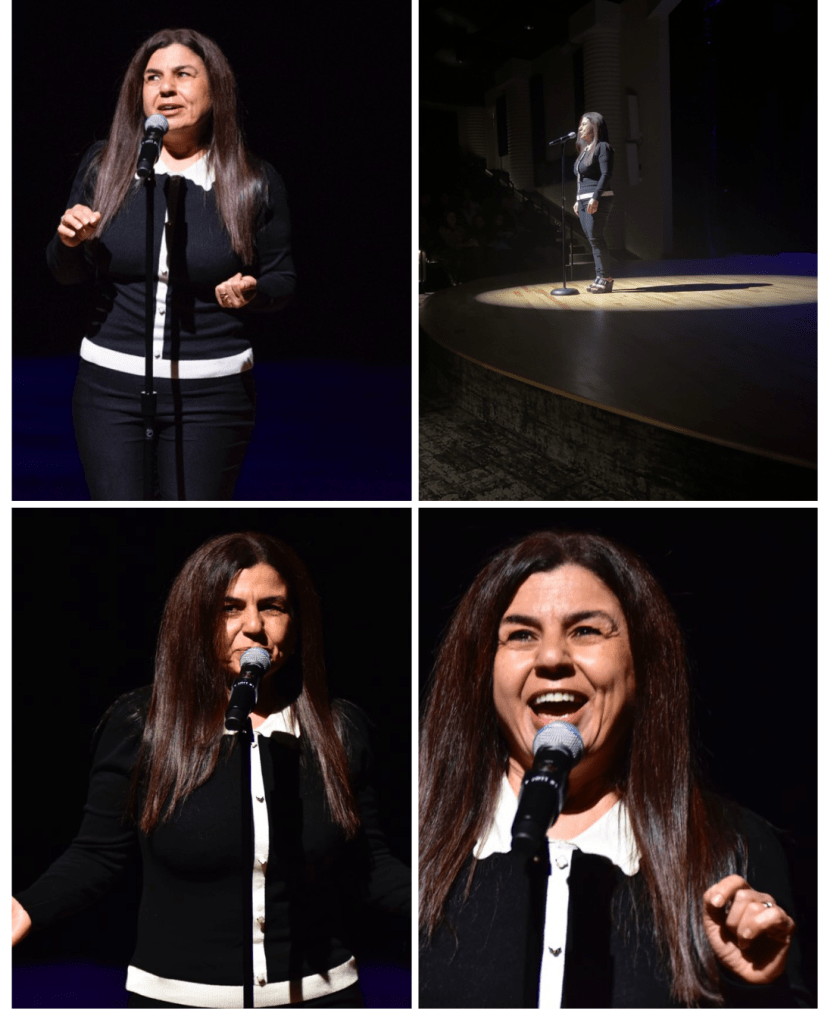
On March 21, 2025, I stood on the stage of the Charles H. Wright Museum of African American History, ready to share my story as part of The Secret Society of Twisted Storytellers (TSSOTS). This event, hosted by the visionary Satori Shakoor, was a powerful celebration of Women’s History Month. It was an evening of courage, vulnerability, and connection, where stories from diverse backgrounds came alive in front of an audience that was nothing short of extraordinary.

I brought my Chaldean American story to the stage, sharing what it was like to grow up in Iraq. I spoke about the day my school principal slapped me so hard for missing one of Saddam Hussein’s parades that I passed out. That slap wasn’t just a moment of physical pain—it was a symbol of the fear and oppression that permeated life in my homeland. It also marked the beginning of my journey toward reclaiming my voice and my power.

At one point, as I spoke about my mother and emotions overwhelmed me, I had to pause. The audience didn’t just sit silently—they held me in that moment. One woman later told me that she wanted to leave her seat, come on stage, and hug me. I felt everyone’s support, their unspoken hugs wrapping around me as I gathered myself and continued.

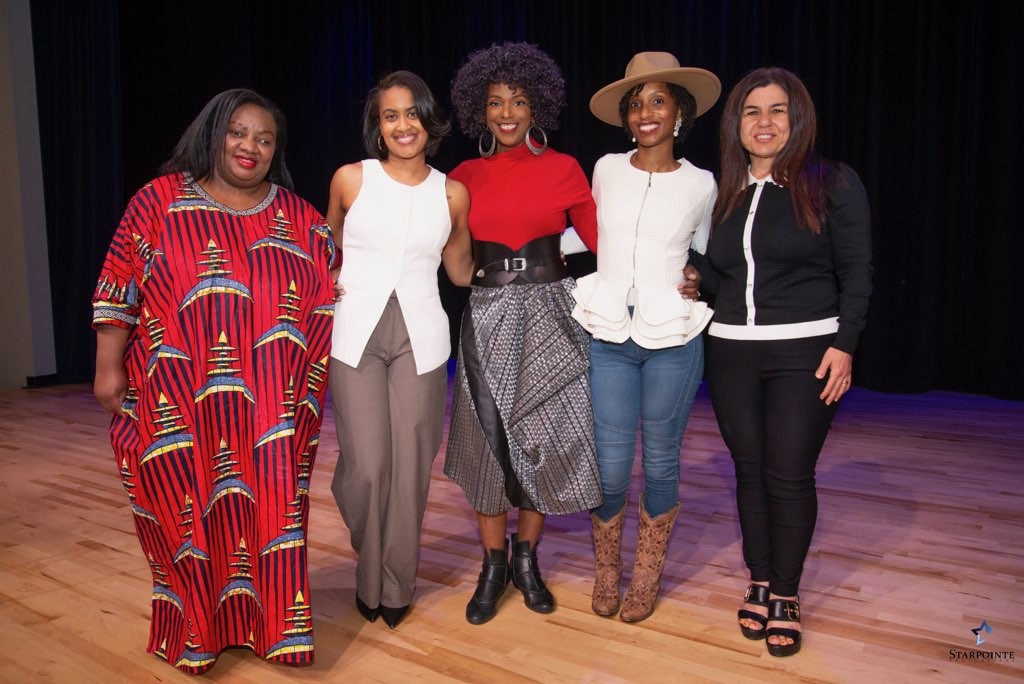
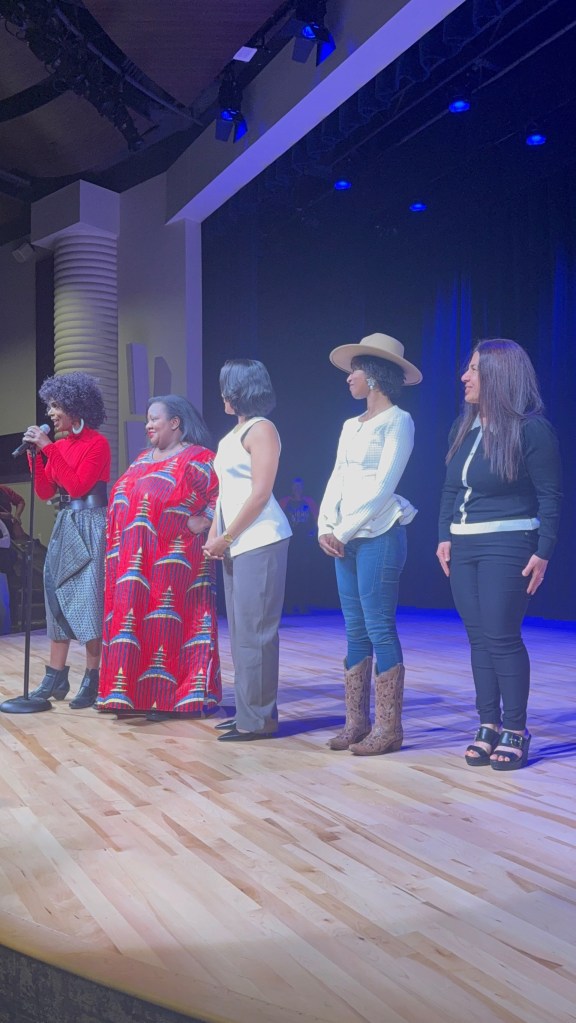
The evening wasn’t just about my story, though. It was about the collective power of storytelling. I was honored to share the stage with three phenomenal women:

  • Ciera Estelle, who spoke about her journey from advocating for a bullied classmate as a young girl to becoming an educator who teaches the importance of speaking up. Her message was a powerful reminder that silence can make us complicit in injustice.
  • Tuyishime Claire Gasmgera, who offered a unique perspective on feminism from her experiences in Rwanda. She challenged Western ideas of feminism, advocating for a broader definition that empowers women to make their own choices, whether that’s activism or caring for their families. In her case, she went from hating being in the kitchen to loving it!
  • Faith Brown, whose heart-wrenching story left no one in the room untouched. As the author of The Monster that Killed His Family Twice: The Faith Green Story, she shared the unimaginable tragedy of losing her four children to her husband’s violence. Her strength was a testament to the resilience of the human spirit.

Together, we shared stories that transcended cultures and continents, united by themes of resilience and transformation.

An Extraordinary Audience

The audience that night was unlike any I’ve ever encountered. They weren’t just watching—they were with me, every step of the way. Their attentiveness, their warmth, and their energy created a space where I felt safe to share even the most vulnerable parts of my story.

After the event, many came up to me to express their support. Some hugged me, others shared their own reflections, and one woman said, “I felt every word you spoke.” It was humbling to see how my story resonated, and it reminded me of the profound connection that storytelling can create.

The Power of Listening

What made this night truly special wasn’t just the stories—it was the way the audience listened. Listening is an art form, and when it’s done with intention and an open heart, it can transform both the storyteller and the listener.

Satori Shakoor opened the evening by reminding the audience of their vital role: to listen. “You have the most important job tonight,” she said. And she was right. Too often, people are so focused on preparing their response that they miss the essence of what’s being shared. But that night, the audience listened with their hearts, creating a space where stories could unfold in their rawest, most authentic form.

Satori’s Vision and the Magic of TSSOTS

This is the magic of The Secret Society of Twisted Storytellers. Founded in 2012 by Satori Shakoor, TSSOTS is rooted in one of humanity’s oldest and most intimate traditions: the oral art of storytelling. What began in a 45-seat performance space in downtown Detroit has grown into a global phenomenon, with standing-room-only audiences at venues like The Marygrove Theater and the Charles H. Wright Museum of African American History.

Satori herself is a powerhouse. Her warmth, wisdom, and passion for storytelling have transformed countless lives. Beyond her work with TSSOTS, she’s also a talented artist and storyteller with an upcoming film project, Confessions of a Menopausal Femme Fatale, that promises to be as impactful as her live events. Her vision is simple yet profound: to use storytelling as a tool for healing, connection, and transformation.

As I left the stage, I carried with me the love and support of everyone in that room. Of course, I shared my story behind Pomegranate, which, as a result of healing, I was able to accomplish. The beautiful part is that after all the encouragement and support I’ve been given by others, the icing on the cake is being able to pass it forward—through my work and simply by being me.

To learn more about The Secret Society of Twisted Storytellers or to attend future events, visit www.twistedtellers.org.

To learn more about Pomegranate, visit:

Empowering Each Other Through Storytelling

Recently, I had the honor of being interviewed by Daniel Rosenstein of Ultimate Energy Coach. It was a powerful conversation that delved deeply into topics close to my heart: my film Pomegranate, my Native American teachings, my journey of healing through shamanism, and the empowerment of women through film.

I believe that healing is important because once you heal certain tramas, you naturally become a healer to others—simply by being yourself. This truth resonates deeply with me, as healing runs through my lineage. My ancestors—my father, grandfather, and my great-grandmother Maria—were all healers. It’s a calling that has been passed down through the generations, and I feel privileged to walk this path.

Interestingly, our connection came through a mutual friend, and we discovered a fascinating coincidence: Daniel’s mother was born in Iraq and left during the 1948 Jewish Exodus. I was born in Iraq as a Chaldean (Neo-Babylonians who still speak Aramaic) and my family left due to the country’s unsettling and oppressive ways. This shared understanding of exile and roots created a deeper connection.

Seven Generations Back, Seven Generations Forward

One of the most profound topics discussed was the importance of honoring both the past and the future. Like Native American teachings, our culture emphasizes doing things “seven generations back and seven generations forward.” The blessings we experience today are the result of our ancestors’ actions, and what we do now will shape the lives of our descendants. This perspective has always been a guiding force in my life and my work.

Pomegranate and the Power of Story

During the interview, I reflected on my recent trip to Los Angeles for the premiere of Pomegranate. While driving through areas like Hollywood, I learned from Uber drivers about the diversity of these neighborhoods—home to significant Jewish, Persian, and Armenian populations. It struck me how the Jewish community is often said to “rule Hollywood,” and I thought: that’s not a bad thing. They understand the power of storytelling.

I often question why our own community doesn’t invest in storytelling. Why don’t we support the art of telling our stories, of humanizing ourselves through authentic narratives? Creative expression is healing, while destruction only leads to pain. And it’s not like we lack talent—while casting for Pomegranate, we received thousands of portfolios from incredibly talented Middle Eastern actors.

Breaking Labels and Finding Balance

Another key part of the discussion was about not putting labels on things. For example, shamanism is often misunderstood, yet it brought me closer to my Christian roots. After all, wasn’t Jesus a mystic, a healer, and someone who said, “You will do things greater than I”?

I also spoke about the importance of the men in my life who helped bring this project to life—my husband, who gave me the space to follow my dream, and incredible collaborators like Sam Sako, Scott Rosenfelt, Jamal Adams, Kevin Hewitt, and others. They stuck with this project and gave me strength when I felt like giving up.

This ties into one of the most valuable lessons I’ve learned from energy teachings: the importance of balancing the feminine and the masculine. Both energies are essential, and finding harmony between them is a cornerstone of healing.

Healing Through Creativity

Ultimately, our conversation came full circle to the idea that healing is inherently creative. By embracing creativity, we can transform not only ourselves but also the world around us. This is the heart of storytelling—connecting, humanizing, and healing.

I invite you to watch the full interview with Daniel Rosenstein here. Together, we explored the power of heritage, healing, and storytelling in ways that I hope will inspire you as much as they inspired me.

Pomegranate at the United States Naval Academy

A few weeks ago, my film Pomegranate was shown in a class at the United States Naval Academy as part of their engagement series. The film has been screened in many places, but this particular experience left a profound impact on me, not only because of the thoughtful questions and discussions that followed but also because of one student—a young woman with Palestinian roots who interviewed me afterward.

A Shared Mission to Change the Narrative

Our interview began with the usual questions about the film’s themes and creative process, but it quickly turned into a deeply personal conversation that extended far beyond the allotted time. She spoke about her desire to change the narrative surrounding the Arab world, to break down barriers and dispel the negativity that often dominates the discourse. I realized how much we had in common—not just in our aspirations but in the struggles we’ve faced as women of Middle Eastern backgrounds trying to tell stories that challenge stereotypes.

Both of us were deeply affected by the events of October 7. Beyond the violence, we felt the weight of stereotypes we’ve worked so hard to dispel being reinforced and amplified. It’s disheartening to see how much of the Arab-American experience is overshadowed by narratives that don’t represent us. Those who don’t share mainstream views are often silenced, left to endure images and stories that perpetuate division rather than understanding.

The Stories They Don’t Want You to Hear

When I think about my time in Ramallah many years ago, I don’t recall the conflict as much as I remember the warmth of the people, the humor, the hospitality in every home, and the love that flowed freely between neighbors. I even remember the playful flirting between handsome Israeli soldiers at checkpoints and beautiful Palestinians—a moment of humanity in the midst of tension.

These are the stories people don’t want to hear, the ones that don’t fit the divisive narratives. They don’t make headlines because they don’t serve the agendas of those who profit from conflict. And unfortunately, even within our own communities, there are challenges. Whether it’s extremists canceling a book talk about Pomegranate or others refusing to support a screening because the film promotes the idea of women making choices, it’s clear that some are more invested in controlling narratives than fostering dialogue.

But for every roadblock, there’s someone like that young woman at the Naval Academy, whose passion and praise for the film reminded me why I do what I do. She called Pomegranate a beautiful and courageous movie, and applauded me for the work. Her words stayed with me long after our conversation ended yesterday.

Embracing the Positive Feedback

For decades, I’ve faced pressures from all sides. Non-Middle Easterners have encouraged me to write stories that “sell,” focusing on sensational topics like honor killings. Meanwhile, some Middle Easterners have expected me to mask our stories, pretending that our issues don’t exist. Neither approach has served us.

Instead, I’ve chosen to focus on the beauty and authenticity of our stories, and the feedback I’ve received from audiences, such as for Pomegranate, has been overwhelmingly affirming.

From non-Middle Eastern viewers:

  • “This is a genius movie.”
  • Pomegranate is a very courageous and timely production.”
  • “I was on the edge of my seat throughout the entire film. The comedic relief was done perfectly and didn’t take away from the seriousness of the story.”
  • “This was a strong movie, with strong characters.”

From Middle Eastern viewers:

  • “I liked the way you brought the sensitive topics in an open-ended and elegant way. It wasn’t how other Arabic movies try to politicize such topics.”
  • “The story was perfect. The characters were perfect. The cinematography was perfect. The editing was perfect. The music was perfect. Everything was different. Don’t change any of the team in part two.”

Moving Forward

If Pomegranate has resonated with even one person, like that young woman at the Naval Academy, then it’s all worth it. For her and for others who have commended the film, I will continue to tell stories that celebrate the humanity, love, and resilience of our communities.

The journey isn’t easy, but it’s necessary. In a world that often seeks to divide, I’ll keep focusing on the beauty and complexity of our shared experiences, breaking down barriers one story at a time.

Pomegranate, which has won over 40 international awards, is streaming in 25 countries. You can click here to find out where to watch it

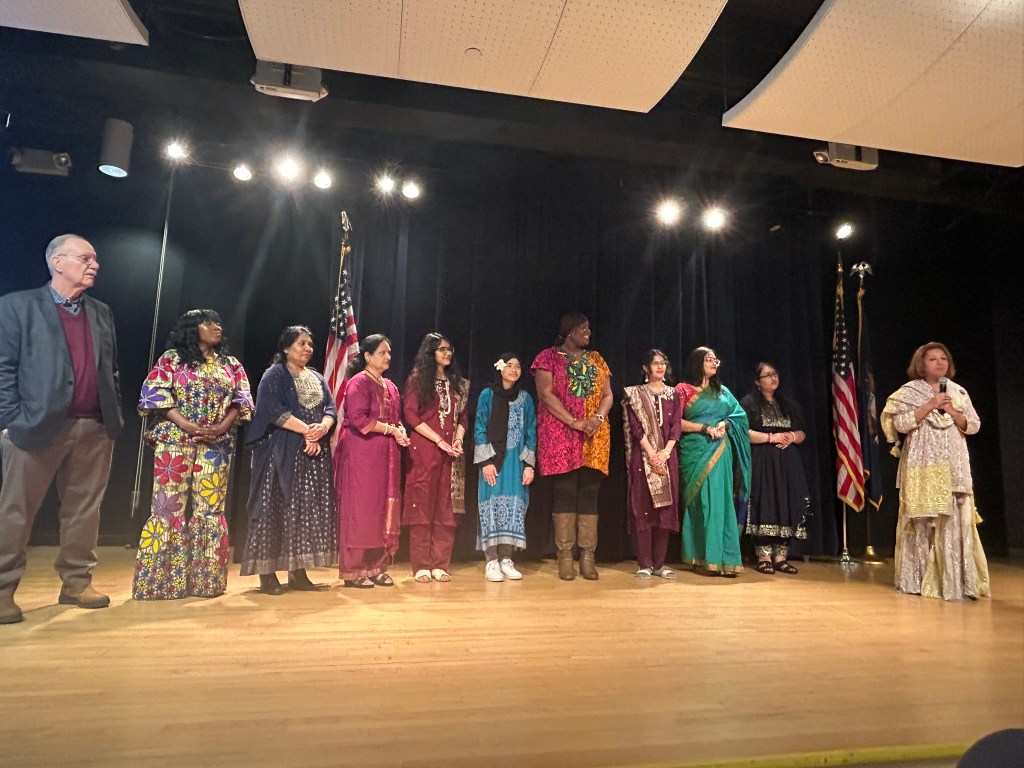
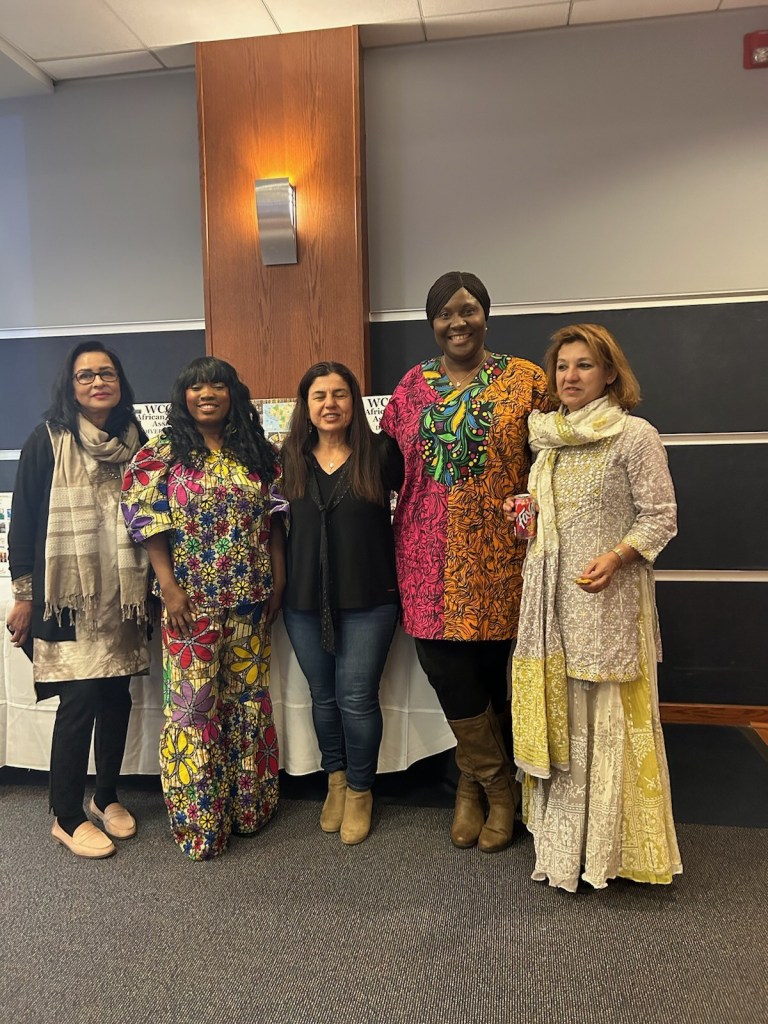
My Experience at Wayne County College District’s International Women’s Day Event

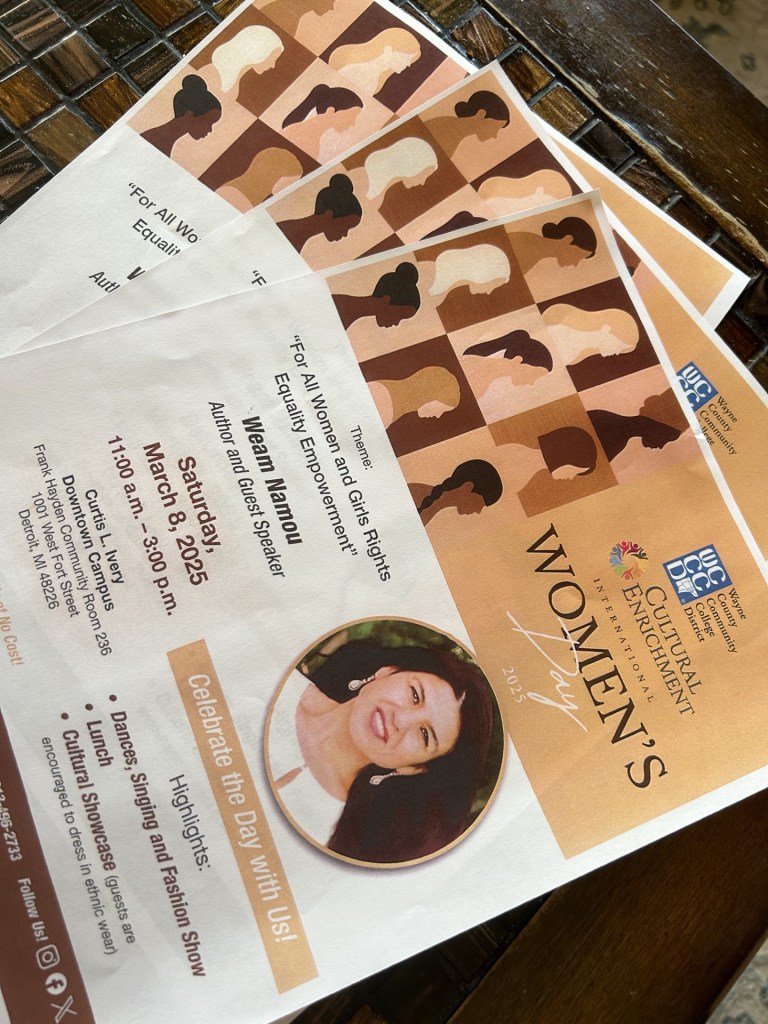
On Saturday, March 8, I had the honor of being the guest speaker at Wayne County College District’s Cultural Entrenchment event held at the Curtis L. Ivery Downtown Campus. This special gathering, coinciding with International Women’s Day, was a celebration of women’s rights, equality, and empowerment—a theme that resonates deeply with my life’s work and the spirit of my film, Pomegranate.

I want to extend my heartfelt thanks to Fidelis Teresa D’Cunha, Ph.D., for inviting me to speak at this wonderful event. It was a privilege to share my journey and connect with so many inspiring women from around the world.

The event was nothing short of extraordinary. Guests from around the world came together to celebrate their cultures, their journeys, and their shared hopes for a more equitable future. The day was adorned with vibrant Indian dance performances, a stunning fashion show, and a delicious lunch—a feast for the senses. Many attendees wore their ethnic attire, a beautiful reminder of the rich cultural diversity that makes gatherings like this so meaningful.

As I mingled with women from India (Kerala), Pakistan, Nigeria, Libya, Latin America, and beyond, I was struck by how much we share, despite the differences in our origins. One of the most fascinating discoveries of the day was meeting Christian women from regions like Pakistan. Their stories mirrored mine in surprising ways. Like me, they belong to a minority faith in their birthlands, and their narratives of perseverance and resilience felt deeply familiar.

We also discussed an interesting pattern we’ve observed in the United States: while many of us were minorities in our homelands, we now find ourselves part of a rich mosaic of cultures and communities here. In this way, the event was not only a celebration but also a moment of reflection on the strength and beauty of our shared experiences.

One of the highlights of the day was my interview with Professor Bruce Ewen, who delved into the journey of Pomegranate—the challenges, the themes, and the heart of the story. This was especially poignant as the film had just been released four days prior, on March 4, to 25 countries during Women’s History Month. To speak about the film in the context of an event celebrating women’s empowerment felt like coming full circle.

Pomegranate is a story that unites through love and beauty, offering a message of hope in a world often marked by division. It’s a film born from my own experiences and the stories of many others, reflecting the resilience of women who navigate the complexities of identity, tradition, and belonging.

If you haven’t had the chance to watch Pomegranate yet, I encourage you to do so—and tell your friends, too! Your reviews on platforms like Rotten Tomatoes, IMDb, and Letterboxd can help amplify the voices of indie films and bring stories like ours to the forefront. Here’s a list of where the film is playing https://www.freestyledigitalmedia.tv/film/pomegranate/

As I reflect on that beautiful day, I am filled with gratitude for the opportunity to share my journey and connect with so many incredible women. Together, we celebrated not just our individual cultures, but our shared humanity. That, to me, is the true essence of International Women’s Day.

Let us continue to champion the rights, equality, and empowerment of women and girls everywhere.

With love and gratitude,
Weam Namou

Women Reshaping Middle Eastern Narratives: Pomegranate

March is Women’s History Month—a time to celebrate the achievements, resilience, and creativity of women around the world. This year, International Women’s Day (March 8) feels particularly inspiring as it coincides with the recent release to 25 countries of Pomegranate, a groundbreaking film that hit theaters on March 4. The film is not just a cinematic masterpiece; it’s a bold statement about women reclaiming and redefining Middle Eastern narratives.

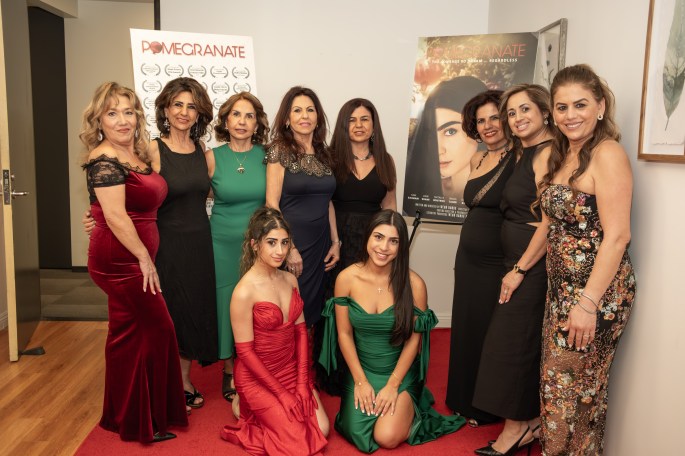
Before its wide release, Pomegranate had its exclusive premiere in Los Angeles on February 27, bringing together cast, crew, and supporters for a night of celebration. As someone who attended the premiere, I was struck by the energy in the room—a shared excitement for a film that promises to transform how Middle Eastern women’s stories are told. From the red carpet to the post-screening discussions, it was clear that Pomegranate is much more than a movie—it’s an inspiring movement.

At its core, Pomegranate is a story that centers women’s voices, their struggles, and their triumphs. The film explores themes of identity, resilience, and the power of storytelling. In an industry—and a world—that often sidelines women’s perspectives, especially in Middle Eastern contexts, Pomegranate breaks barriers by putting women at the forefront.

Click below to see where you can watch the film in 25 countries!

The Power of Representation

The Middle East has long been portrayed through a narrow lens in global media, often shaped by stereotypes that fail to capture the region’s rich diversity and complexity. Pomegranate challenges these depictions by offering a story rooted in authenticity, told through the eyes of women who refuse to be silenced.

The film is not only a celebration of Middle Eastern culture but also a reminder of the universal struggles women face and overcome. By focusing on female protagonists navigating personal and societal challenges, Pomegranate humanizes their experiences in a way that resonates across borders.

Why Pomegranate Matters

Released during Women’s History Month, Pomegranate is a timely reminder of the importance of women’s voices in shaping cultural narratives. The film’s release on March 4 is symbolic—it ties into a month dedicated to honoring women’s contributions throughout history, while also urging us to reflect on the work that still needs to be done for gender equality.

International Women’s Day, celebrated today, reminds us of the global fight for women’s rights and representation. Pomegranate amplifies this message by showcasing how women can redefine the stories told about them—and by them.

A Call to Action

The release of Pomegranate is more than just a cinematic event; it’s a call to support women storytellers and creators. As audiences, we have the power to shape what stories are told by choosing what we watch, share, and celebrate. Films like Pomegranate remind us that representation matters—and that when women take control of their narratives, the world listens.

This Women’s History Month, let’s celebrate the women who are changing the face of storytelling. Let’s amplify their voices, honor their stories, and continue pushing for a future where every woman’s perspective is valued.

If you haven’t yet seen Pomegranate, make it a priority this month. It’s more than a film—it’s a movement.

Happy International Women’s Day!

Pomegranate: A Dream Realized

After ten years of dreaming, creating, and persevering, my feature film Pomegranate will finally be released on March 4th to audiences across 25 countries. This is not just a release—it is the realization of a vision that has grown and transformed over a decade. Pomegranate is a story of identity, resilience, and cultural connection, brought to life through the voices of women, and I couldn’t be more grateful to share it with the world.

As I reflect on this journey, I am reminded of the wisdom held in the changing seasons.

Winter is the season of stillness, a time when the earth rests beneath its frost-covered blanket. It is the quiet between breaths, a sacred pause where we are invited to retreat inward and reflect on the landscapes of our lives. What have you built with your hands and heart?

Winter is the keeper of wisdom, asking us to take stock of what we have planted and nurtured—what has bloomed, what has withered, and what awaits the kiss of spring’s warmth to awaken. It is a time to cradle your accomplishments gently, to honor the path you’ve walked, and to ready yourself for the season of renewal that lies ahead.

In this quiet season, may you find beauty in the stillness, peace in the shadows, and love in the sanctuary of your soul. May you emerge from winter’s dreamscape into the golden light of spring, renewed and alive with all that you have become. Stand where you are, take in the horizon, and know that from this place, anything is possible.

As Pomegranate makes its way into the world, I carry with me the lessons of the seasons—of patience, of resilience, and of the endless potential for new beginnings.

With heartfelt gratitude,
Weam Namou

(Pomegranate will be released on March 4th in 25 countries. Stay tuned for updates and screening details!)