This article, written by me, was first published by Words of the Earth as “Adopt a Mindset of Service” on May 15, 2025: Link to the original article.
As a Chaldean, or Neo-Babylonian, I am inspired by my ancestors, who made extraordinary contributions to civilization. From inventing the wheel and developing agriculture to recording the first writer in history–a princess and priestess named Enheduanna–Chaldeans laid the foundations of human progress. They were astronomers who studied the stars to understand their place in the universe and believed in using their gifts in service to others. This ethos of service and ingenuity offers valuable guidance for living sustainably today.
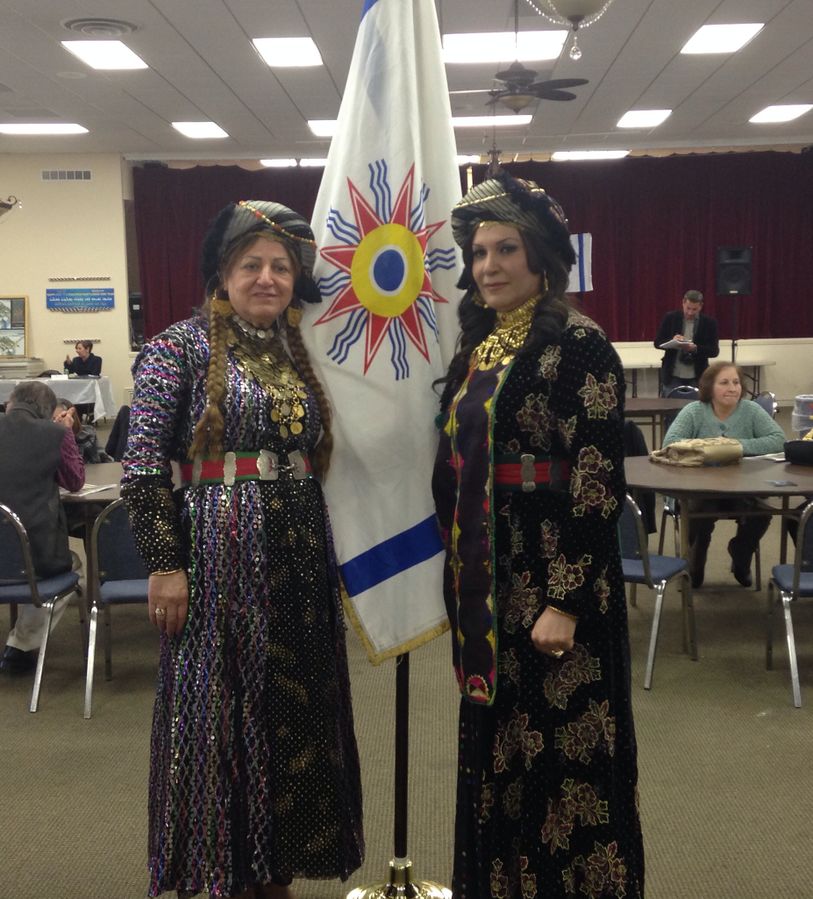
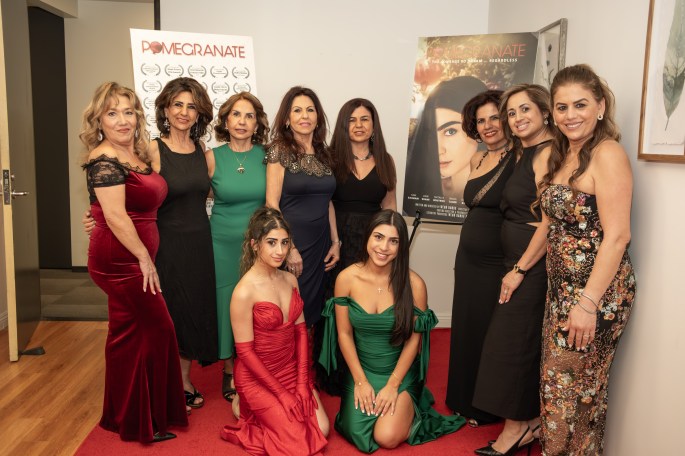
I took a picture of these women during an Akitu Festival at St. Joseph Chaldean Church
Like Native Americans, Chaldeans had a deep respect for nature and understood the interconnectedness of all life. They lived in harmony with the Earth, recognizing that survival depended on balance and reciprocity. Their world also fostered a greater balance between male and female energies, with men and women working together for the higher good. Revisiting these ancient values, alongside modern methods, can teach us how to live more sustainably. Here’s how their wisdom, and my own experiences, influence my approach to sustainability:
Adopt a Mindset of Service: My ancestors saw service as a fundamental duty, believing every action impacts the greater whole. Sustainability begins with this mindset–reducing waste, conserving resources, and contributing to the planet’s well-being.
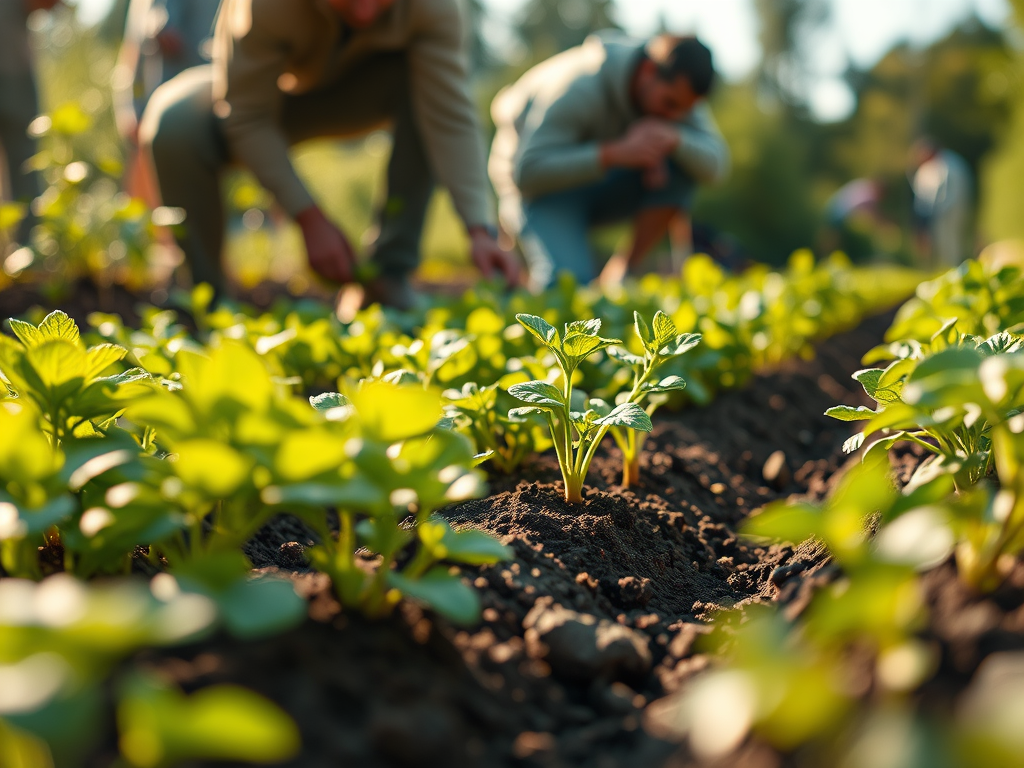
Reconnect with Nature: As agricultural pioneers, they understood the importance of working with the land. Planting gardens, supporting local farmers, and eating seasonally are simple ways to honor this connection while reducing our footprint.
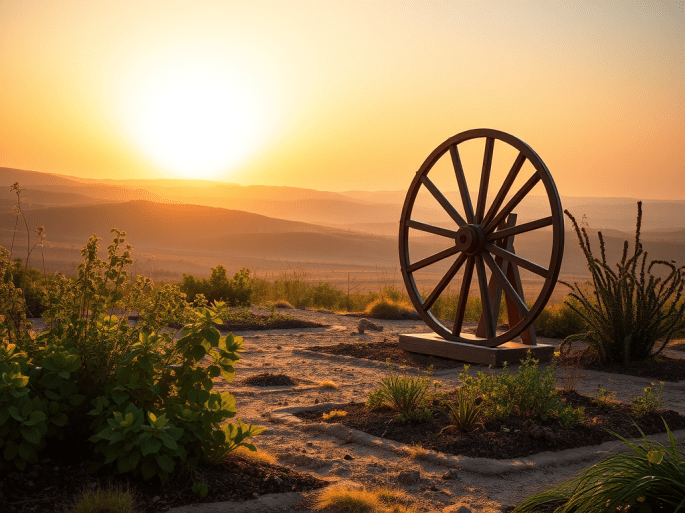
Innovate Simply: Mesopotamians invented tools like the wheel and irrigation systems. Today, we can prioritize energy-efficient solutions, reduce consumption, and creatively repurpose resources–practices that blend innovation and simplicity.
Embrace Interconnectedness: Astronomers by nature, my ancestors viewed the universe as an interconnected whole. Likewise, sustainability requires recognizing that every choice–what we buy, how we eat, how we travel–affects the Earth.
Share Stories and Knowledge: Enheduanna, the first recorded writer, reminds us of the power of storytelling. Sharing knowledge creates awareness and inspires others to embrace sustainable practices.
The Chaldeans rebuilt after immense challenges, demonstrating resilience and adaptability. They did so by blending ancient wisdom with modern practices to create a sustainable world rooted in balance, service, and respect for the Earth.
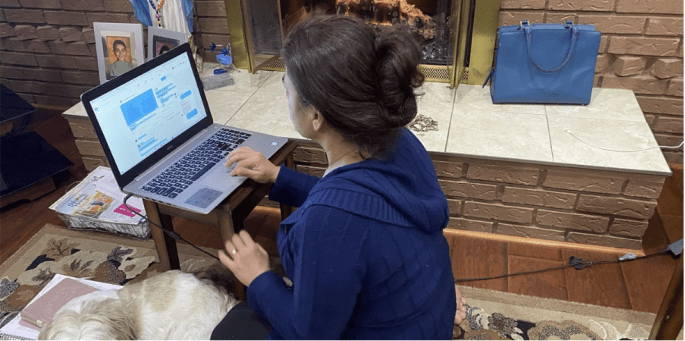
It’s a cold April day, after yesterday’s unexpected heat. The fireplace crackles softly as I cuddle under the covers, laptop set on the hearth. Earlier, I watched Miss Potter, a warm and nostalgic film that perfectly matched the comfort of the moment. Inspired by the quiet reflection of the day, I thought I’d share something I wrote about this morning for my upcoming book—about the Chaldean Magi, their connection to Jesus, and the profound mystery that surrounds their story.
The Magi are often shrouded in a sense of wonder. Described in the Gospel of Matthew as the “wise men from the East,” they followed the star to Bethlehem, bringing gifts of gold, frankincense, and myrrh to honor the newborn Christ. But their story doesn’t end there. Tradition and history link the Magi to the Chaldeans, an ancient priestly class known for their wisdom in astrology, divination, and spiritual practices.
The Magi and Their Role in Jesus’s Story
The Magi’s connection to Jesus is both spiritual and deeply symbolic. After visiting the Christ child, they were warned in a dream not to return to King Herod. Herod, furious at being deceived by the Magi, ordered the massacre of all male children in Bethlehem under the age of two—a tragic event remembered as the Feast of the Holy Innocents. By taking another route home, the Magi not only defied Herod’s evil plans but also played a role in safeguarding Jesus during his vulnerable early years.
But how did the Magi, coming from a non-Christian tradition, recognize the significance of Jesus’s birth? The answer lies in their spiritual heritage.
The Chaldean Magi: Guardians of Ancient Wisdom
The Magi were often associated with the Chaldeans, a people renowned for their mastery of the stars and their ability to interpret divine messages. The Chaldeans’ reputation as wise men and astrologers was so enduring that their name became synonymous with knowledge and mysticism in many ancient texts.
The Magian religion, tied to Zoroastrianism, emphasized the battle between light and darkness—a theme that resonates deeply with the Christian story of salvation. The Magi tended sacred fires, interpreted dreams, and acted as mediators between the divine and the earthly. These roles made them uniquely attuned to the signs in the heavens, such as the star that heralded Jesus’s birth.
Tradition even suggests that after their visit to Bethlehem, the Magi passed through Chaldean villages, celebrating the miraculous birth and planting seeds of faith. Centuries later, these seeds would bloom as Christianity spread to the region.
The Enduring Legacy of the Magi
The story of the Magi is not just a tale of three wise men bringing gifts; it is a profound reminder of how faith and wisdom transcend boundaries. These ancient sages recognized Jesus as the light of the world long before Christianity had fully developed. Their journey symbolizes the universal call to seek truth and to honor the divine, no matter one’s background or tradition.
Writers throughout history, from the priest Berossus to Helena Blavatsky, have marveled at the Magi’s connection to the Chaldeans. Blavatsky, for instance, described the Chaldeans as guardians of mystical and occult sciences, linking them to the broader tradition of the Magi. Their knowledge of the stars and their role as interpreters of divine will gave them a unique place in history as bearers of wisdom and truth.
A Path Illuminated
As I reflect on the story of the Chaldean Magi, I’m struck by their courage and faith. They risked everything to follow a star and honor a child they knew to be extraordinary. Their defiance of Herod’s orders reminds us of the power of choosing righteousness over fear. And their role in protecting Jesus reminds us of the interconnectedness of faiths, traditions, and history.
On this quiet April day, I’m reminded that the Magi’s story is not just about the past. It’s about the ongoing journey we all take to seek light, wisdom, and truth in our lives.
So as the fire crackles and the rain begins to fall outside, I leave you with this thought: What stars are we following today, and how might the wisdom of the past guide us on our own journeys?
Writing is more than the simple act of putting pen to paper—it is a lifeline, a sanctuary, and a means of resistance against forgetting. It began in my birthplace, Iraq, the cradle of civilization, where ancient Mesopotamian cultures—including the Chaldeans—helped shape history by developing one of humanity’s most profound tools: the written word.
I was honored to reflect on this legacy in the inspiring article, “Why Are You Passionate About Paper & Forest Products?” 🌿✨ The feature gave me the opportunity to share how deeply my Chaldean roots have shaped my passion for storytelling and preserving history.
The Chaldeans are among the earliest contributors to the written word, a tradition we have carried through millennia. My ancestors, who still speak Aramaic—the language of Jesus—used writing as a means to create, document, and inspire. The first recorded writer in history, Enheduanna, was a Mesopotamian princess, priestess, and poet, whose words continue to echo across time.
As a Chaldean-American, I consider writing both a gift and a responsibility. It is a legacy I proudly carry forward, creating stories that honor my heritage and ensure the voices of my people are remembered.
The Power of Writing: A Personal Reflection
In the article, I contributed to the section Cultural Heritage and the Power of Writing, where I shared how my people’s groundbreaking invention of writing has shaped my life’s work. Here’s an excerpt (click here for the article):
“Over the centuries, empires and adversaries have tried to erase us, yet we preserved our identity through the written word. Even as recently as 2014, extremists sought to destroy the artifacts and written records of my people. Despite these threats, our stories endure because of the resilience of writing as a medium. Paper became more than a tool; it became a sanctuary, a means of peace and resistance against forgetting. The simple act of putting pen to paper is a way to honor those who came before me and ensure that their voices are not silenced.”
These words remind me of the fragility of memory and the vital role writing plays in preserving history, especially for the Chaldean people. When ISIS destroyed ancestral villages and cultural artifacts in northern Iraq, I felt a deep urgency to document our stories. Writing became my way of ensuring that the history, struggles, and triumphs of my people would not be forgotten.
The Beautiful History of the Chaldeans
The Chaldeans have a rich and vibrant history that dates back to ancient Mesopotamia. Known as one of the earliest civilizations, the Chaldeans contributed significantly to the development of writing, astronomy, and mathematics. Their legacy of innovation and resilience continues to inspire me today.
Even as our communities have faced displacement and destruction throughout history, we’ve held onto our traditions, language, and culture. Writing has been a cornerstone of this survival. Whether inscribed on clay tablets or recorded on paper, it has allowed us to preserve our identity for future generations.
As an author and filmmaker, I strive to honor this history by creating stories that reflect the strength and beauty of my people. Through storytelling, I hope to shed light on the struggles we’ve overcome and the contributions we’ve made to the world.
Read More
In addition to reflecting on my cultural connection to writing, the article highlights other perspectives from leaders in the paper and forest products industry. It’s a fascinating read that explores sustainability, innovation, and the role of paper in everyday life.
My passion for writing has been the driving force behind much of my life’s work. It has led me to write 20 books and thousands of articles, earn an Eric Hoffer Book Award, and write, direct, and produce two feature films, which together have won over 50 international film awards. I’ve also held numerous leadership roles that have allowed me to advocate for storytelling, heritage, and cultural preservation on a larger scale.
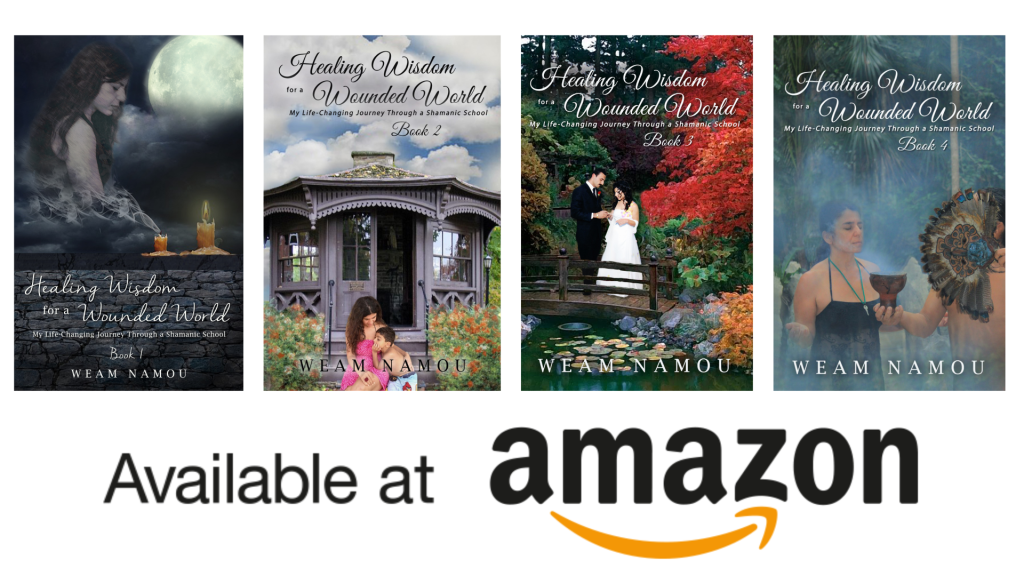
These accomplishments are more than milestones—they are part of my mission to honor my ancestors’ resilience and ensure their voices endure for generations. You can learn more about my journey in my four-part memoir series on Lynn V. Andrews’ mysticism school, which transformed my life as a woman, wife, mother, and author, and deepened my connection to my ancient roots.
Thank you for taking the time to read about my passion for writing and the cultural heritage that inspires it. I’d love to hear your thoughts—what role does writing play in your life?
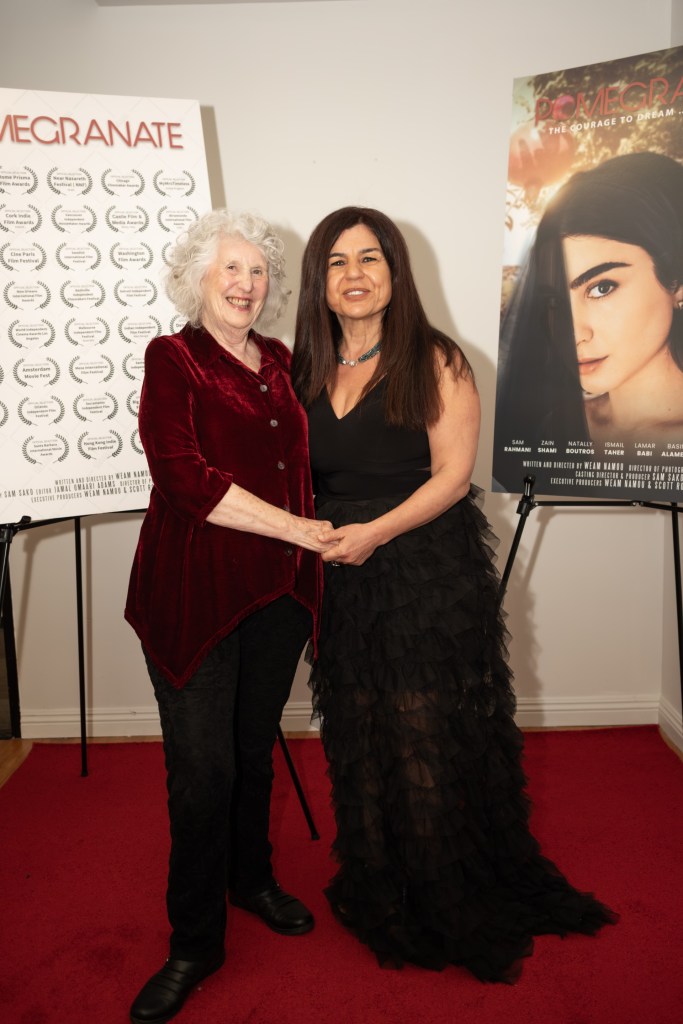
Life has a way of bringing people from all walks of life together to help them achieve their goals and dreams. My connection with Jane Keene is a beautiful example of this truth. I’ve had the privilege of knowing Jane for over a decade, first meeting her through Lynn’s school, where I was both a student and later a mentor. Her dedication to creating beauty in the world has always inspired me, and I was honored to see her at my recent film premiere of Pomegranate in Los Angeles.
Today, Jane is continuing the legacy of Lynn’s teachings as a mentor and facilitator. She is leading an exciting new online course, The Keys to Dynamic Living, which will be offered for free to those who register for the end-of-May retreat that I’m leading. This series is thoughtfully designed to give participants the tools, insights, and community support needed to embark on a transformative journey of self-discovery and growth.
Who Is Jane Keene?
Jane Keene is a deeply grounded and accomplished individual whose journey and work continue to inspire countless people. Born and raised in England, Jane earned her Master’s degree in Human Resources and Organizational Development from the University of San Francisco. Her background in these fields, combined with her practical approach to personal growth, makes her a strong leader and mentor in spiritual teachings.
Jane has had a diverse career, including serving as the administrator for Lynn’s school for 10 years, mentoring students, and working with the Kindred Spirits program. Today, in addition to facilitating courses like The Keys to Dynamic Living, Jane is actively involved in helping seniors remain in their homes through a village program that offers medical rides, grocery trips, and small home projects. Her focus on community and service demonstrates her commitment to creating practical, positive change in the world.
Jane’s approach to shamanism and personal growth is anything but impractical or overly mystical. She believes in the tangible, grounded aspects of these teachings—recognizing that everything is alive and interconnected, and that beauty can be found in all aspects of life. Her philosophy emphasizes hard work, dedication, and a deep respect for the natural world, making her teachings accessible and transformative for people from all walks of life.
I recently had the chance to speak with Jane about her work, her journey, and the inspiration behind The Keys to Dynamic Living. Here are some highlights from our conversation:
“This course is really about continuing the work we did with Lynn,” Jane explained. “The teachings helped us uncover the things that shaped us, find another path, and develop into the people we were meant to be. I wanted to create something that could preserve that legacy and give others the tools to identify their purpose and bring it into the world. It’s about helping people grow into themselves and live with intention.”
As someone who has been shaped by Lynn’s teachings, I see this course as a continuation of a powerful legacy. It’s not just about learning—it’s about transformation, connection, and creating more beauty in the world. Whether you’re new to this path or have been walking it for years, The Keys to Dynamic Living offers a unique opportunity to deepen your journey.
Let’s continue to honor the age-old traditions of storytelling, community, and personal growth by embracing the tools and teachings that help us become the people we are meant to be.
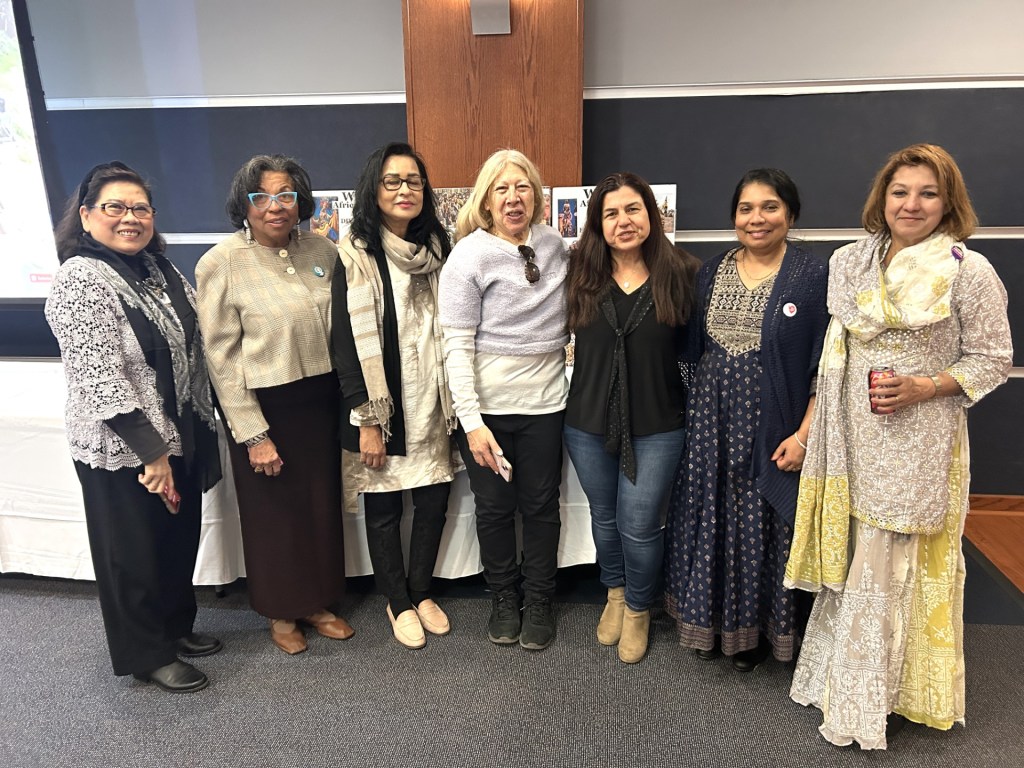
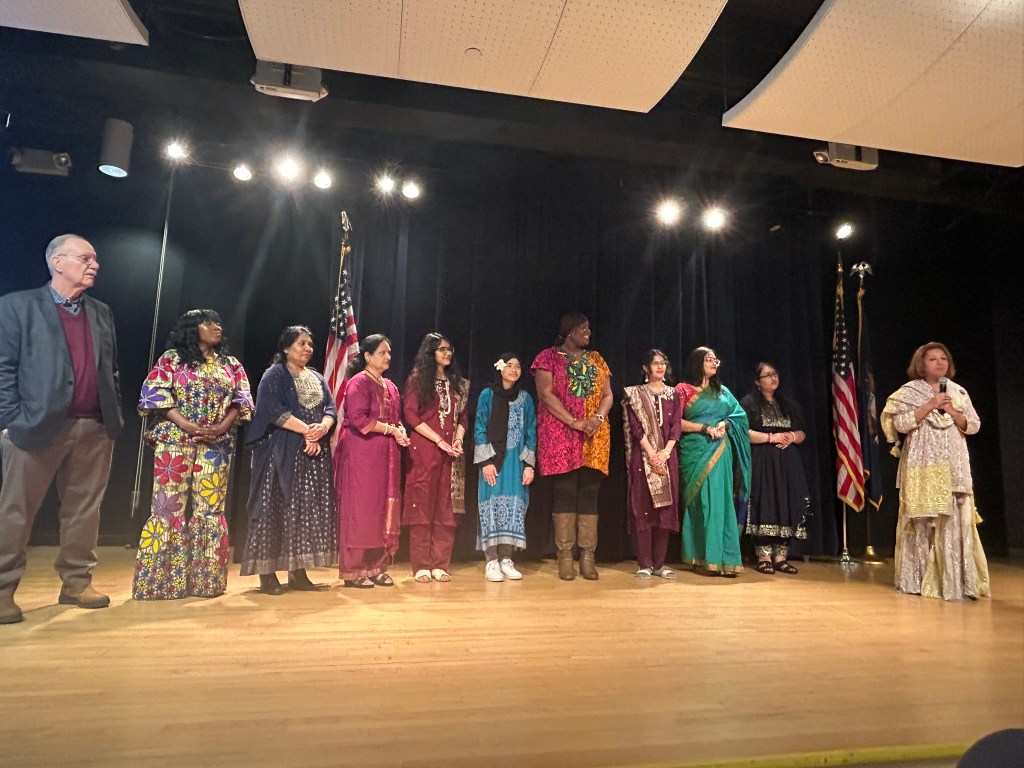
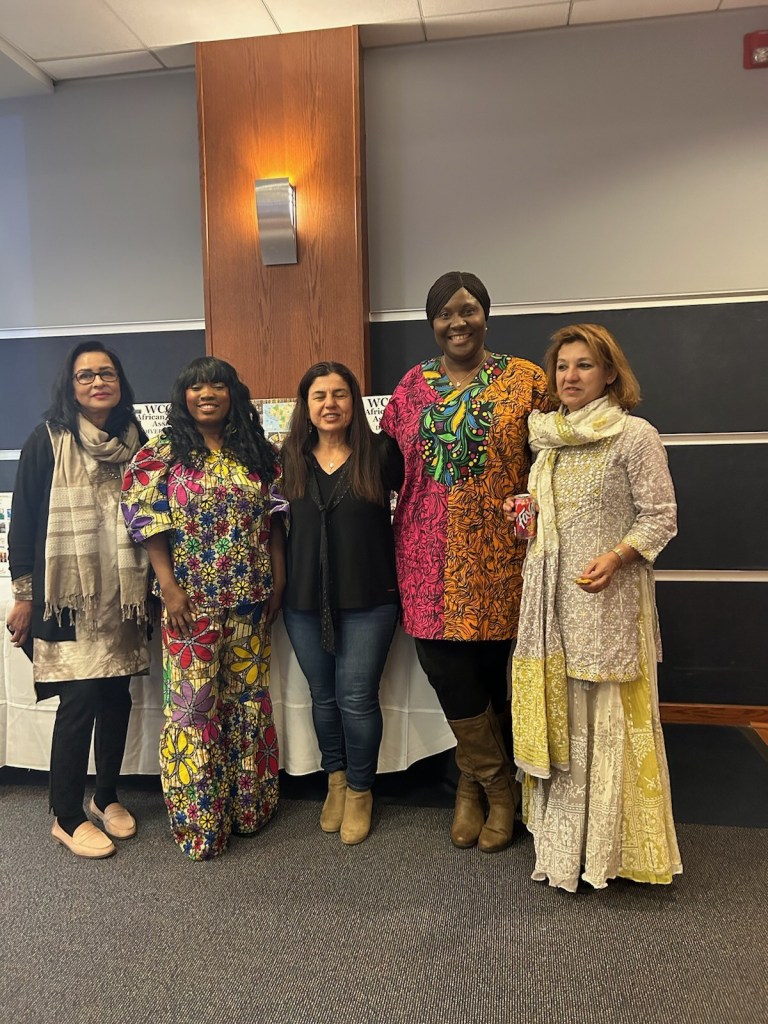
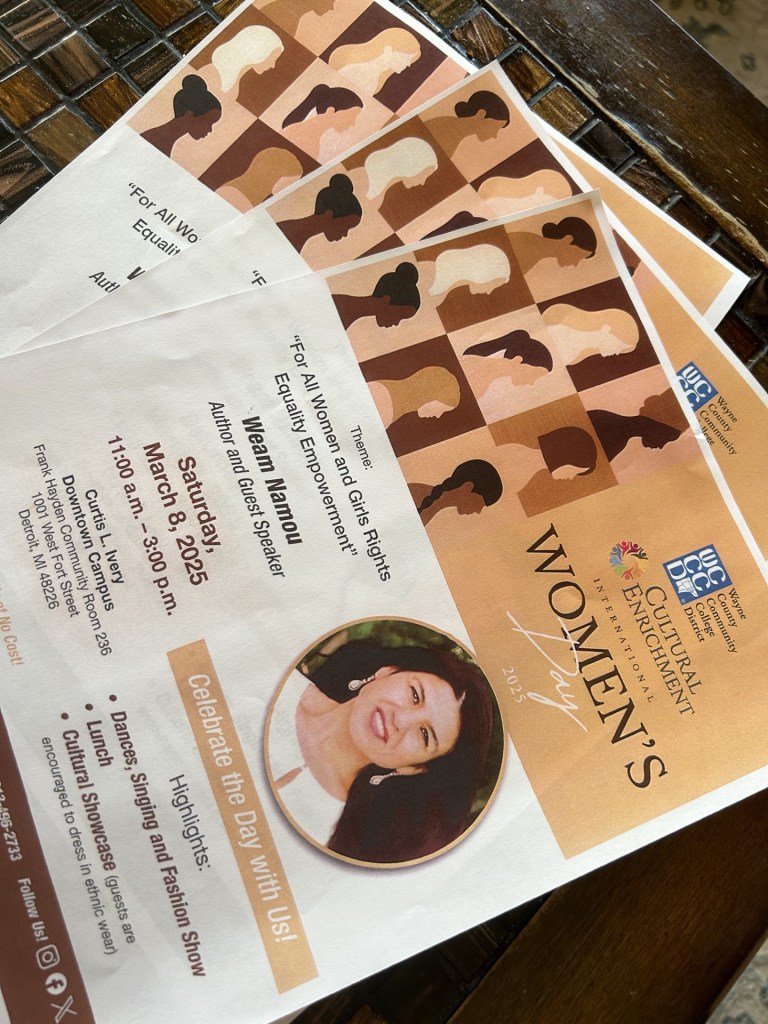
On Saturday, March 8, I had the honor of being the guest speaker at Wayne County College District’s Cultural Entrenchment event held at the Curtis L. Ivery Downtown Campus. This special gathering, coinciding with International Women’s Day, was a celebration of women’s rights, equality, and empowerment—a theme that resonates deeply with my life’s work and the spirit of my film, Pomegranate.
I want to extend my heartfelt thanks to Fidelis Teresa D’Cunha, Ph.D., for inviting me to speak at this wonderful event. It was a privilege to share my journey and connect with so many inspiring women from around the world.
The event was nothing short of extraordinary. Guests from around the world came together to celebrate their cultures, their journeys, and their shared hopes for a more equitable future. The day was adorned with vibrant Indian dance performances, a stunning fashion show, and a delicious lunch—a feast for the senses. Many attendees wore their ethnic attire, a beautiful reminder of the rich cultural diversity that makes gatherings like this so meaningful.
As I mingled with women from India (Kerala), Pakistan, Nigeria, Libya, Latin America, and beyond, I was struck by how much we share, despite the differences in our origins. One of the most fascinating discoveries of the day was meeting Christian women from regions like Pakistan. Their stories mirrored mine in surprising ways. Like me, they belong to a minority faith in their birthlands, and their narratives of perseverance and resilience felt deeply familiar.
We also discussed an interesting pattern we’ve observed in the United States: while many of us were minorities in our homelands, we now find ourselves part of a rich mosaic of cultures and communities here. In this way, the event was not only a celebration but also a moment of reflection on the strength and beauty of our shared experiences.
One of the highlights of the day was my interview with Professor Bruce Ewen, who delved into the journey of Pomegranate—the challenges, the themes, and the heart of the story. This was especially poignant as the film had just been released four days prior, on March 4, to 25 countries during Women’s History Month. To speak about the film in the context of an event celebrating women’s empowerment felt like coming full circle.
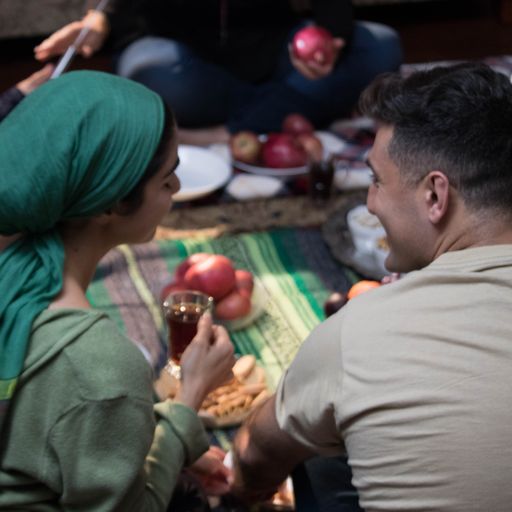
Pomegranate is a story that unites through love and beauty, offering a message of hope in a world often marked by division. It’s a film born from my own experiences and the stories of many others, reflecting the resilience of women who navigate the complexities of identity, tradition, and belonging.
If you haven’t had the chance to watch Pomegranate yet, I encourage you to do so—and tell your friends, too! Your reviews on platforms like Rotten Tomatoes, IMDb, and Letterboxd can help amplify the voices of indie films and bring stories like ours to the forefront. Here’s a list of where the film is playing https://www.freestyledigitalmedia.tv/film/pomegranate/
As I reflect on that beautiful day, I am filled with gratitude for the opportunity to share my journey and connect with so many incredible women. Together, we celebrated not just our individual cultures, but our shared humanity. That, to me, is the true essence of International Women’s Day.
Let us continue to champion the rights, equality, and empowerment of women and girls everywhere.
March is Women’s History Month—a time to celebrate the achievements, resilience, and creativity of women around the world. This year, International Women’s Day (March 8) feels particularly inspiring as it coincides with the recent release to 25 countries of Pomegranate, a groundbreaking film that hit theaters on March 4. The film is not just a cinematic masterpiece; it’s a bold statement about women reclaiming and redefining Middle Eastern narratives.
Before its wide release, Pomegranate had its exclusive premiere in Los Angeles on February 27, bringing together cast, crew, and supporters for a night of celebration. As someone who attended the premiere, I was struck by the energy in the room—a shared excitement for a film that promises to transform how Middle Eastern women’s stories are told. From the red carpet to the post-screening discussions, it was clear that Pomegranate is much more than a movie—it’s an inspiring movement.
At its core, Pomegranate is a story that centers women’s voices, their struggles, and their triumphs. The film explores themes of identity, resilience, and the power of storytelling. In an industry—and a world—that often sidelines women’s perspectives, especially in Middle Eastern contexts, Pomegranate breaks barriers by putting women at the forefront.
Click below to see where you can watch the film in 25 countries!
The Middle East has long been portrayed through a narrow lens in global media, often shaped by stereotypes that fail to capture the region’s rich diversity and complexity. Pomegranate challenges these depictions by offering a story rooted in authenticity, told through the eyes of women who refuse to be silenced.
The film is not only a celebration of Middle Eastern culture but also a reminder of the universal struggles women face and overcome. By focusing on female protagonists navigating personal and societal challenges, Pomegranate humanizes their experiences in a way that resonates across borders.
Why Pomegranate Matters
Released during Women’s History Month, Pomegranate is a timely reminder of the importance of women’s voices in shaping cultural narratives. The film’s release on March 4 is symbolic—it ties into a month dedicated to honoring women’s contributions throughout history, while also urging us to reflect on the work that still needs to be done for gender equality.
International Women’s Day, celebrated today, reminds us of the global fight for women’s rights and representation. Pomegranate amplifies this message by showcasing how women can redefine the stories told about them—and by them.
A Call to Action
The release of Pomegranate is more than just a cinematic event; it’s a call to support women storytellers and creators. As audiences, we have the power to shape what stories are told by choosing what we watch, share, and celebrate. Films like Pomegranate remind us that representation matters—and that when women take control of their narratives, the world listens.
This Women’s History Month, let’s celebrate the women who are changing the face of storytelling. Let’s amplify their voices, honor their stories, and continue pushing for a future where every woman’s perspective is valued.
If you haven’t yet seen Pomegranate, make it a priority this month. It’s more than a film—it’s a movement.
Pomegranate was chosen as an Official Selection by La Femme Independent Film Festival (Paris, France). At 7 pm PDT, they will screen it worldwide (online) on Sunday, August 20 at 7 pm PST. Viewers vote for films they like most and the winner is then screened in person in Paris, France later this year.
Their trusted platform MagicaCinémathèque is an international platform and art house for the independent films based in London, Paris and Hollywood. Their audiences from all over the world, ” Europe, USA, Canada, Australia, India, China, Japan, Korea, and MENA
To date, the film has had the following awards / selections (of course, we all know there’s more to come
* New York International Women Festival – Winner of all Categories for Best Feature Film Directed by a Woman
* Luleå International Film Festival (Sweden) (Winner – will screen in December)
* Birsamunda International Film Awards (India)- Winner for Best Actress – Sam Rahmani
* Birsamunda International Film Awards (India) – Winner for Best Feature Film on Women
*San Diego International Film Awards (Semi-Finalist)
* San Jose Independent Film Festival (Semi-Finalist)
* La Femme Independent Film Festival (Paris, France) (Official selection)
* Castle Film & Media Award (Rome, Italy) (Official Selection)
“You’ve moved away from each other. You’ve torn apart your families, disassembled your smaller communities in favor of huge cities. In these big cities, there are more people, but fewer ‘tribes’, groups, or clans where members see their responsibility as including the responsibility for the whole. So, in effect, you have no elders. None at arm’s reach in any event.”
Neal Donald Walsh
I grew up dismissing the value of what my ancestry had to offer me, which was overshadowed by a patriarchal system that defines women from that point of view. I was influenced by a young and modern generation that assumed they had life figured out, and as a result, tended to ignore the older generation’s way of thinking.
But shortly after I became a mother, things changed. I began searching into my personal genealogy and quickly became fascinated by what I discovered about my ancestors’ cultural identity, my “tribe” whose tribal ways date back thousands of years. Within a decade, I awoke to answers I’d been looking for: Who am I?Who are my people? I already knew where I came from – Iraq, but the physical distance between that place and myself and the human misery associated with it, kept me from truly understanding and appreciating its ancient history, culture, and language.
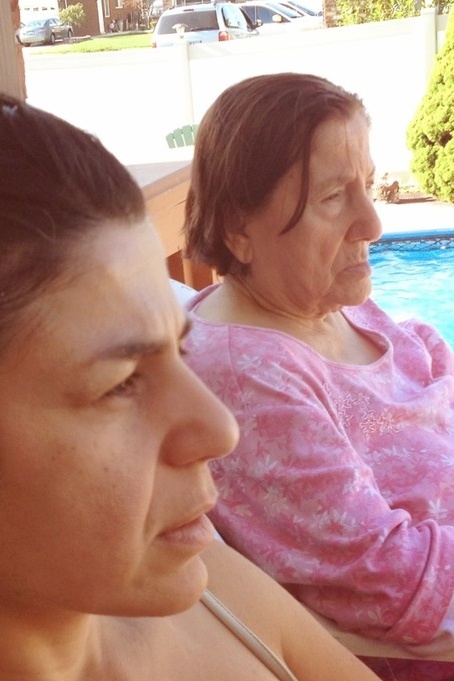
My mother and I
My research shed light on my people, the Chaldeans, an indigenous Aramaic-speaking group whose lineage dates back to ancient Mesopotamia, and it shifted my views. In television and movies, tribal lifestyles are stereotyped as backwards or romanticized as mysterious and belonging to uncontacted tribes. I soon realized that if not documented, the rewarding side of this ancient tradition will be wasted. So in 2007, I began filming a documentary that included interviews and archival footage. I interviewed my mother, sisters, nieces, cousins, and uncle’s wives about how it feels, as women, to live tribally in a democracy. They shared their perspectives, how, despite their assimilation to the westerner lifestyle, they continue to be connected to their instinctual tribal ways that most people repress in civilized life. They embodied an East-West wisdom that we are all in need of today. I called the documentary Living Tribal in a Democracy.
Over a decade has passed since I began the documentary. Between raising my children, working on various creative projects, and caring for my elderly mother who lived with us, I worked on it sporadically. After my mother passed away in February 2019, I screened and discussed a ten-minute segment of my documentary at Wayne State University at an event called Creative Many. The story received positive feedback and the organizers encouraged me to continue with the project. That’s when I realized it was time to revisit and complete the work. The community’s cultural identity endangered, I felt it especially important to systematize the memories of its people and heritage.
This is when I realized that the story also needs to be written into a book that, similar to the documentary, explores the role that ancient Mesopotamia played in the birth of our contemporary culture. In this book, I show that, although women played a major role in building the cradle of civilization, the rulers of that region tried to destroy/hide that knowledge. This great loss has had consequences for the world.
The book raises the following questions, which I myself, as someone living tribal in a democracy, struggled with for decades and went to great lengths to find the answers: Are tribal societies models for future societies? How can tribalism and democracy coexist? Would it do the world good to return to some of the old ways, with smaller communities, a higher regard for feminine sacredness, the family system, and the elderly? How can we learn from the ancients, who are often romanticized as warriors or noble savages and we assume live in faraway or remote lands, in the jungles of Peru or in restricted areas such as Indian reservations, and neglect to see their presence in our backyard? Are we aware they do live with us here today? What was the role of women in ancient Mesopotamia, where once upon a time, kings attributed their right to rule through their official marriage to the goddess?
My mother and her great grandson, Mateo
Some of this material became the topic of my book Mesopotamian Goddesses. The rest I bundled up in my upcoming book Little Baghdad: A Memoir About an Indigenous People in an American City, which will be published by the end of this year. As for the documentary, the completion and release of that project is still to be determined. Meanwhile, it’s shelved among my umpteen projects that want to bring to memory the wisdom and importance of ancient ways which revered nature, feminine sacredness, and community.
Once someone asked me why I felt I needed to write so many books. I thought it was a strange question. Would someone ask a surgeon why there was a need to perform operations on a regular basis or a teacher, or any other profession? Still, I reflected on that question and realized that part of the joy in writing my stories is the self-discovery that occurs in the process. How can you connect to the power of your own lineage and discover the richness, beauty and wisdom as well as the wounds and traumas that lie there? Your lineage doesn’t have to be physical heredity, but can be a spiritual lineage. Looking at your heritage will help you come to terms with and understand who you really are, what role you play in the story you’re in, and how to change, if you so desire.
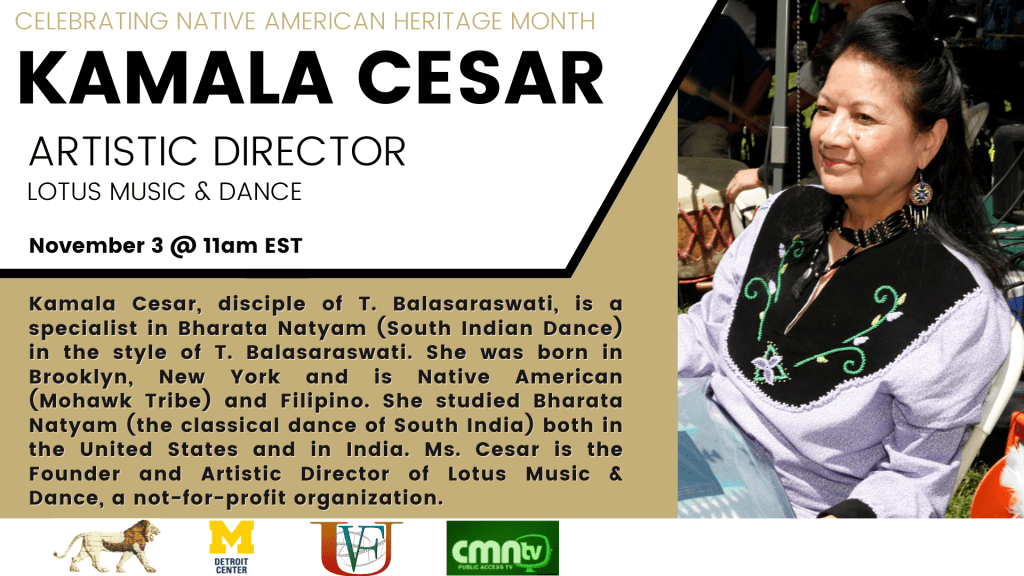
Every month, I interview remarkable individuals on a weekly basis for the Virtual Discussion Series in partnership with Unique Voices in Films, the Chaldean Cultural Center, CMN TV and U of M [Detroit Center].
Check out my YouTube channel where you can watch the interviews live and subscribe. Be sure to set reminders/alerts so you can stay updated on Live and uploaded content.
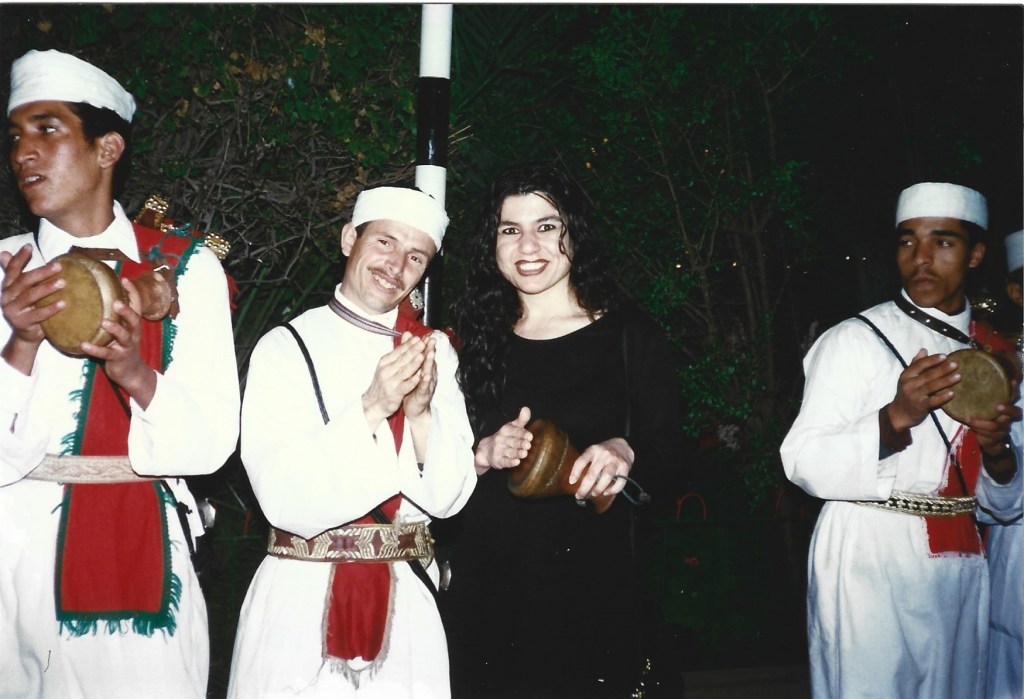
When I was younger, I traveled to Greece, Italy, Spain, Portugal, Morocco, Tunisia, Portugal, the Czech Republic, Israel, and many other countries to see the world. I was passionate about life and what’s out there.
For over a decade, I enjoyed the beauty that other lands, traditions, and cultures had to offer. I took long walks in regal towns with colorful houses and flower-adorned alleys, sat on floors of Bedouin homes to drink delicious, minted tea and eat tanoor baked bread, rode donkeys and horses, buses, and trolleys, all while reflecting on the wonders of life. The process filled my heart with love and life, and it cleansed me of many preconceived notions, prejudices, and beliefs. It also helped me understand other’s points of view, including animals, trees, and nature.
At an event in Morocco (late 1990s)
During my last few trips, something changed in me. I realized that I no longer needed to travel far to experience the wonder and beauty of other cultures. It’s all right here, just around the corner from home. Coming to this realization, I feel the same excitement as when I used to travel regularly. I meet the most wonderful people and visit the most fascinating places on a regular basis whenever that desire comes up – no need to look for travel dates and tickets!
Just recently, I visited the Arab American National Museum with colleagues, where we learned about the Mandaeans, an ancient people that I had researched but not extensively. Afterward, we enjoyed lunch at a Yemini restaurant followed by coffee at a Yemini café. Not long ago, I attended a gathering at a nearby church where a spiritual teacher, Ashwin Kapadia, PhD, who is visiting from India, gave his discourse in Integral yoga. In July, I had the pleasure of interviewing indigenous minority communities from Iraq: the Yazidi, Mandaean, Marsh People, and Kurdish. Why did I highlight their communities? Because I love celebrating others’ heritage as much as I do mine!
Learning to celebrate and honor your heritage is important, but it’s just as important to do so unto others. This teaching, which is prevalent in America’s focus on diversity these days, has brought much richness and value to this country.
What richness is around the corner of your home that you can travel to this week?
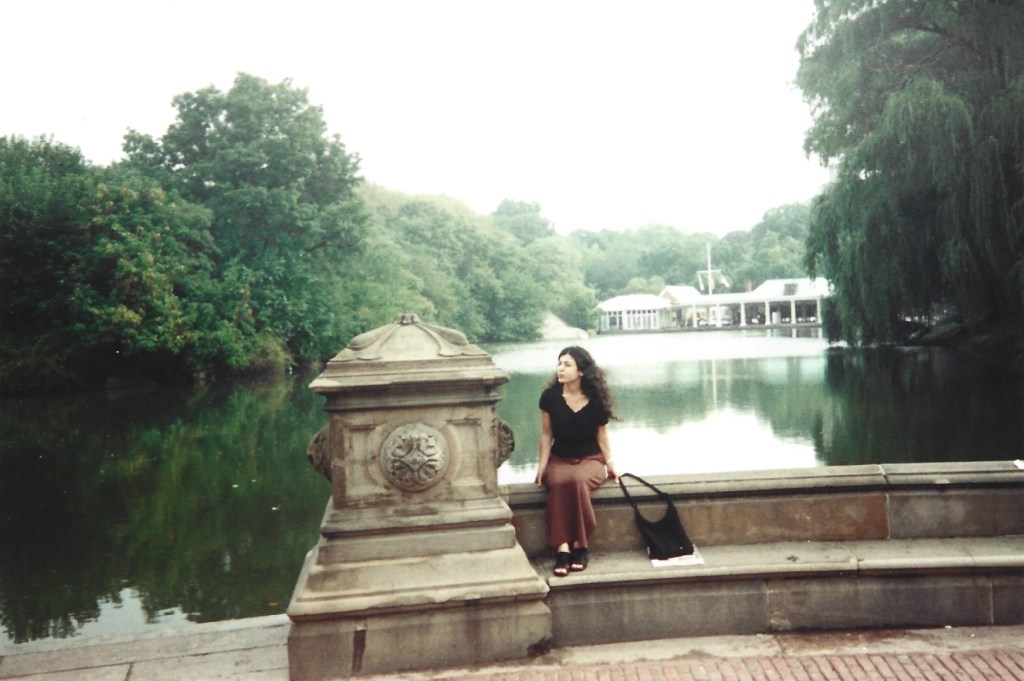
In Prague while studying poetry through the University of New Orleans (2001)
There’s a lot of exciting things happening and I’d love you to be a part of it. I’m particularly looking forward to a new book club by a UK-based art historian and author, Emily Porter, and the first annual Beth Nahrain Conference which will focus on writers of Mesopotamian descent. See below for details!
There are so many people doing great work in our neighborhoods. Do we know who they are? Do we utilize their skills and talents or do we spend our day in front of the television and on our electronics, viewing and complaining about what isn’t going right thousands of miles away?
If we try, we find what we’re looking for. It might take days or years, but in the end, we connect with that which lives within us – whether it’s love, fear, success, or the desire to do good in the world. And most of the time, we find it in our backyards. Myself, I keep connecting with people who are interested in improving their lives and the lives of those around them. They want to raise consciousness, knowing that that would lead to a healthier and kinder humanity.
Bestselling author and yogi Sadhguru said that if we want a better society and not just better laws, we have to create a more stable life for our youths. We need to find profound thought-out solutions and not simply react with one violent act against another violent act. The world will not change with stricter laws and more protests, he said, but with individual transformation. A transformed person lives in a cultivated way not because they fear the law, but because they have magnificent ideas about themselves that go beyond their physical nature. Each time a person transforms, they then can help someone else transform, and so on. Then violence would go down considerably.
I truly believe in that, and I also believe that we don’t do the world any justice by constantly holding up negative images for people to see. Yes, there’s a dark side that should not be ignored, but the way to heal our earth from that and shift it to a better direction is by creating conscious solutions. This is why I love organizations such as Avatar.
Avatar is a series of self-development courses founded in 1986 by Harry Palmer. It enable you to rediscover your self and align your consciousness with what you want to achieve. It’s a way to experience your own unique insights and revelations. In this program, no one will tell you what to believe or who you are. It’s you finding out about you.
“One of the best parts of working with Avatar is that it is tailored to people’s own interests,” said Derek Stottlemyer. “People work on areas that are meaningful to them.”
Derek had attended one of my talks at the Theosophical Society last year, and during the fall, I saw him again at the Unity Church of Farmington Hills. That’s when he told me about Avatar. Derek has been a licensed Avatar® Master for 4 1/2 years, delivering the material to students locally as well as at four International Courses each year in Orlando. He is active in many groups locally and is promoting the development of Conscious Cafe’s in the area.
Derek is involved in the Compassion Project, often working at expos and events to share the compassion exercise and invite people into further explorations with the Avatar tools. This effort takes the compassion exercise (one of 30 in Section 1 of the Avatar Course) and makes it available on a folding card that is easy to share. The original goal was to reach 1 million people, and now we are going for our 6th million. It has been translated into 34 languages and has been shared all over the planet.
Prior to Avatar, he had been a Peace Corps volunteer, spending a little over three years in the Dominican Republic working with small farmers on sustainable practices. Upon returning home he taught himself programming by creating software for guitar players which introduced him to web-entrepreneurship. He has been the tech lead for several startups as well as global projects.
“The Avatar organization believes we can create a better world by raising human consciousness one person at a time. In alignment with this goal, The Avatar Course is a nine day, non-religious course that allows a person to reconnect with their true spiritual self. And along the way, students on this course discover the source of their issues, problems and concerns, learn ways to resolve and eliminate those issues, problems and concerns, and as a consequence gain the ability to create the life they want. This is known as living deliberately.” — R. S.
Derek had me do the Compassion Exercise during our interview and it’s really something you should take the time to do, especially as you prepare for the New Year.
If you would like to know more about Avatar or to schedule a free info hour (by phone or in person) feel free to contact him at (248)635-8216 or at derek@explore-avatar.com
To learn about the compassion project, visit: https://theavatarcourse.com/the-compassion-project-eng.html
To learn more or request a personal Avatar experience – visit: https://explore-avatar.com/derek/info-request















 The Path of Consciousness