Palm Sunday at the Chaldean Church

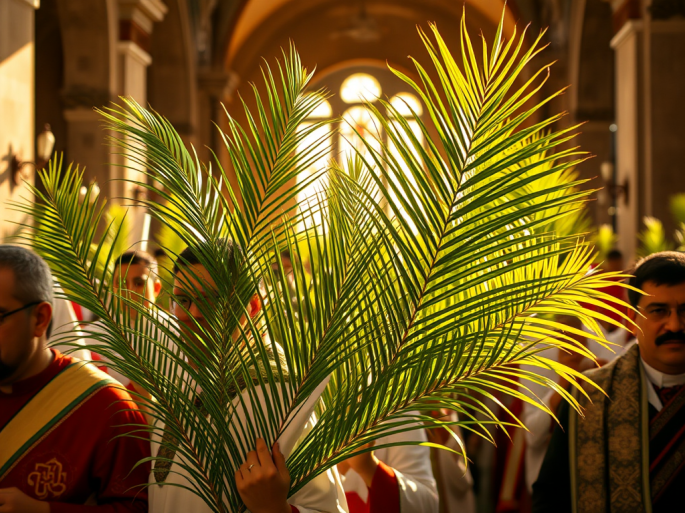
Today, I attended Palm Sunday at a Chaldean church, a community that traces its roots back to one of the oldest Christian traditions in the world. The church was alive with devotion and joy, its walls echoing with ancient prayers and hymns sung in Aramaic, the language Jesus himself spoke. It was a moving experience, immersing myself in the faith and culture of a community with such a profound connection to history.

One of the most striking parts of the ceremony was the procession. Members of the congregation walked down the aisle holding palm branches, waving them high in the air as a symbol of reverence and celebration. The atmosphere was electric as women released traditional Middle Eastern mirth sounds—ululations—made during happy occasions like weddings or other festivities, added a layer of cultural depth to the ritual, blending faith and heritage in a powerful way.

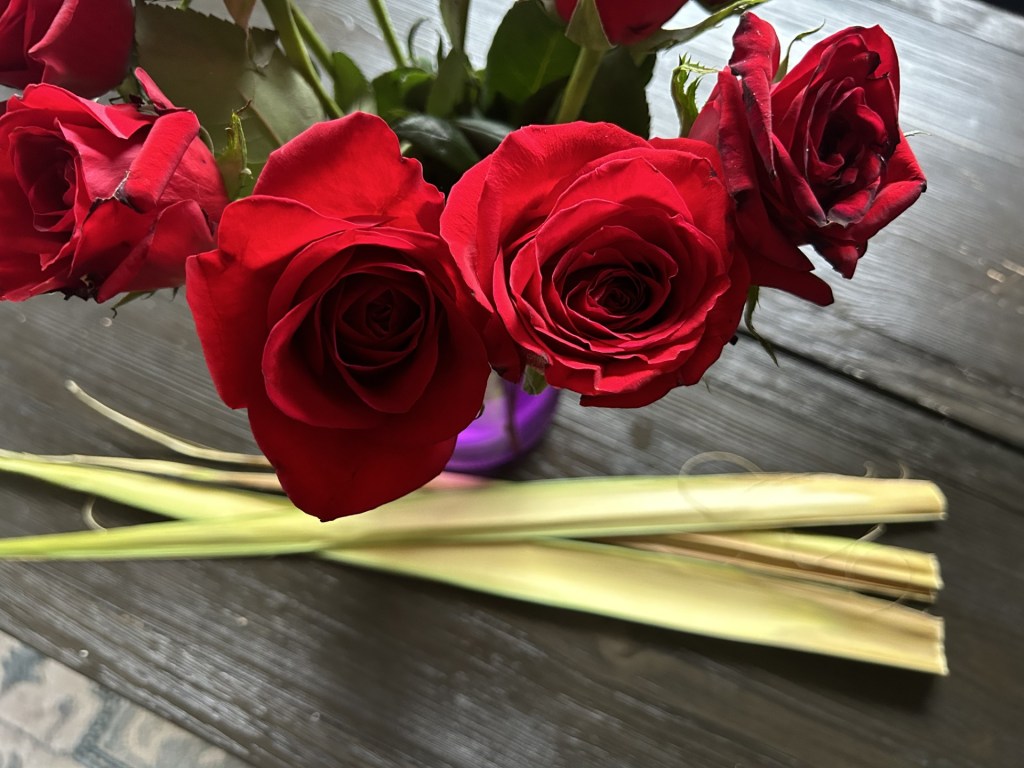
At the end of the celebration, everyone received a palm branch to take home. Holding that simple branch in my hand, I couldn’t help but wonder—what does this symbol truly mean? Was there a deeper story behind it?

When I returned home, after having a late brunch with my family, walking the dog, then taking a nap, I decided to do a bit of research. What I found was fascinating, connecting the palm branch not only to Christianity but to a much older legacy: the traditions and beliefs of ancient Mesopotamia.

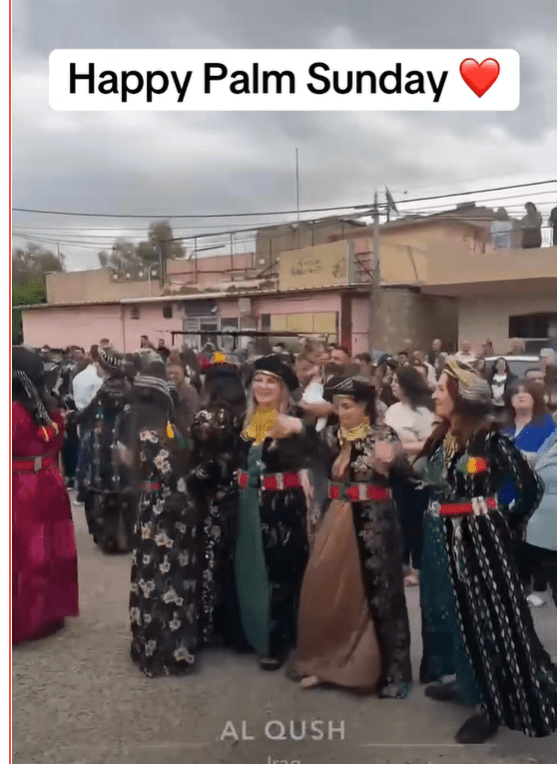
Here’s a TikTok clip of the Christian communities celebrating in Iraq. You can follow me there for more colorful clips!
https://www.tiktok.com/@weamnamou/video/7492845930249522478

The Deeper Meaning of the Palm Branch

Palm branches are central to the Christian celebration of Palm Sunday, symbolizing Jesus’ triumphal entry into Jerusalem. They represent victory, peace, and eternal life. But their significance goes back much further in history, to the ancient civilizations of Mesopotamia.

In Mesopotamia—the cradle of civilization and the land that gave rise to the ancestors of today’s Chaldeans—the palm tree was a powerful symbol. It represented life, fertility, and prosperity in a region where agriculture depended on the rivers and the lush vegetation they supported. The palm was sacred, appearing in religious rituals, art, and even mythology.

Palm branches were often associated with deities like Ishtar, the goddess of fertility and love, and Shamash, the sun god. They were depicted in carvings and reliefs, sometimes as part of sacred trees or in scenes of divine blessing. The palm’s connection to life and renewal made it a potent emblem, one that resonated deeply with the spiritual beliefs of the time.

As Christianity emerged and spread throughout the region, it absorbed and reinterpreted some of these older symbols. The palm branch, once a sign of prosperity and divine favor in Mesopotamian culture, became a symbol of Christ’s victory over death and sin. On Palm Sunday, Christians around the world carry these branches as a reminder of Jesus’ sacrifice and the promise of eternal life.

Imagine, the palm branch I brought home today carries that history.
Watch My Journey Tonight on Spotlight Detroit on PBS

Tonight is a special night for Detroit’s creative community! At 9 PM on Detroit PBS, the world premiere of Spotlight Detroit will feature 25 stunning short films, created by the 2025 Kresge Eminent Artist Marion Hayden and the 2024 Kresge Artist Fellows in Live Arts, Film, and Music. These short films—produced by Kresge Arts in Detroit and 7 Cylinders Studio—showcase the incredible collaboration between local artists and filmmakers, highlighting the vibrant stories of our city.

Among these films is a short video about me, directed by the talented Jamal Adams, who played a key role as the editor of my feature film, Pomegranate. I talk about my writing, Pomegranate, and the Chaldean Museum!


My Journey to Kresge and Beyond

Receiving the Kresge Fellowship last year was a turning point in my career. It was my 15th attempt at applying for the award, and when it finally happened, everything aligned perfectly. In 2024, the Kresge award amount had doubled, and it coincided with the release of Pomegranate, amplifying the film’s visibility and impact.

This experience has taught me many lessons, but the most important one is this: persistence pays off. Success takes time, and sometimes the stars align in ways we can’t predict—but when they do, it feels like divine order.

Another lesson I hold close is the importance of elevating others along the way. When Kresge gave me the opportunity to choose a filmmaker to direct my short film, I immediately thought of Jamal. Having worked side-by-side with him for years, I knew no one else could capture the heart of my story better than he could. Jamal was not just my editor on Pomegranate—he became part of my family. He came over for dinners, spent time with me, my husband, my brother, and his wife, and supported me through some of my most challenging moments.

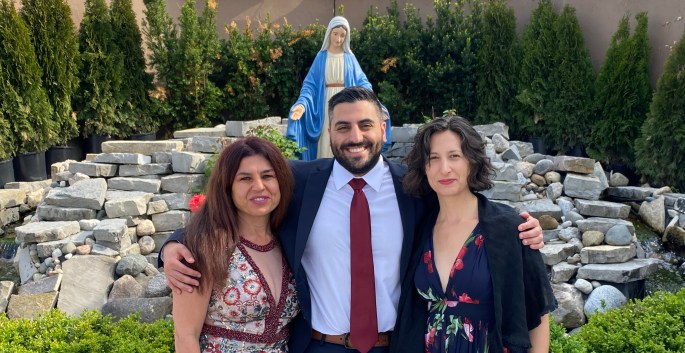
On the set of Pomegranate with Jamal Adams and Lindy Lenk

Jamal Adams: A Filmmaker with Heart

Jamal Adams is not only a gifted filmmaker but also an inspiring storyteller with a passion for uplifting others. If you’d like to learn more about his incredible journey, check out this article about Jamal. His story is one of perseverance, creativity, and community—qualities that truly shine in all his work.


Join Us Tonight

I’m thrilled to share this moment with Jamal and the many other amazing artists featured in Spotlight Detroit. There’s something magical about seeing our city’s creativity and talent on full display, and I hope you’ll tune in to experience it for yourself.

Don’t miss the world premiere of Spotlight Detroit tonight at 9 PM on Detroit PBS!

Watch Pomegranate here and please rate it to support independent filmmakers!

Women Reshaping Middle Eastern Narratives: Pomegranate

March is Women’s History Month—a time to celebrate the achievements, resilience, and creativity of women around the world. This year, International Women’s Day (March 8) feels particularly inspiring as it coincides with the recent release to 25 countries of Pomegranate, a groundbreaking film that hit theaters on March 4. The film is not just a cinematic masterpiece; it’s a bold statement about women reclaiming and redefining Middle Eastern narratives.

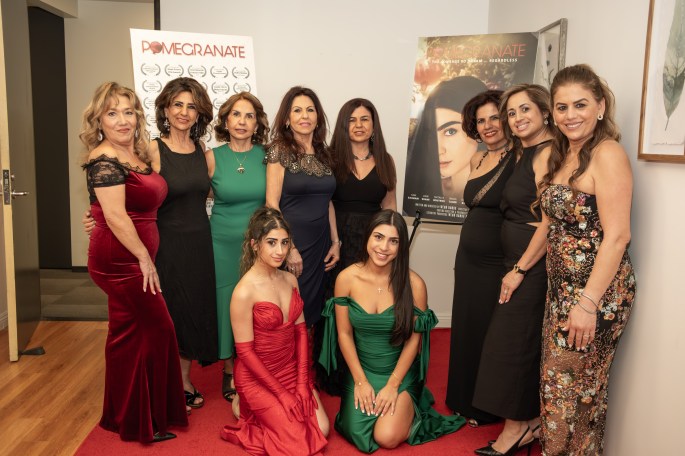
Before its wide release, Pomegranate had its exclusive premiere in Los Angeles on February 27, bringing together cast, crew, and supporters for a night of celebration. As someone who attended the premiere, I was struck by the energy in the room—a shared excitement for a film that promises to transform how Middle Eastern women’s stories are told. From the red carpet to the post-screening discussions, it was clear that Pomegranate is much more than a movie—it’s an inspiring movement.

At its core, Pomegranate is a story that centers women’s voices, their struggles, and their triumphs. The film explores themes of identity, resilience, and the power of storytelling. In an industry—and a world—that often sidelines women’s perspectives, especially in Middle Eastern contexts, Pomegranate breaks barriers by putting women at the forefront.

Click below to see where you can watch the film in 25 countries!

The Power of Representation

The Middle East has long been portrayed through a narrow lens in global media, often shaped by stereotypes that fail to capture the region’s rich diversity and complexity. Pomegranate challenges these depictions by offering a story rooted in authenticity, told through the eyes of women who refuse to be silenced.

The film is not only a celebration of Middle Eastern culture but also a reminder of the universal struggles women face and overcome. By focusing on female protagonists navigating personal and societal challenges, Pomegranate humanizes their experiences in a way that resonates across borders.

Why Pomegranate Matters

Released during Women’s History Month, Pomegranate is a timely reminder of the importance of women’s voices in shaping cultural narratives. The film’s release on March 4 is symbolic—it ties into a month dedicated to honoring women’s contributions throughout history, while also urging us to reflect on the work that still needs to be done for gender equality.

International Women’s Day, celebrated today, reminds us of the global fight for women’s rights and representation. Pomegranate amplifies this message by showcasing how women can redefine the stories told about them—and by them.

A Call to Action

The release of Pomegranate is more than just a cinematic event; it’s a call to support women storytellers and creators. As audiences, we have the power to shape what stories are told by choosing what we watch, share, and celebrate. Films like Pomegranate remind us that representation matters—and that when women take control of their narratives, the world listens.

This Women’s History Month, let’s celebrate the women who are changing the face of storytelling. Let’s amplify their voices, honor their stories, and continue pushing for a future where every woman’s perspective is valued.

If you haven’t yet seen Pomegranate, make it a priority this month. It’s more than a film—it’s a movement.

Happy International Women’s Day!

Watch Pomegranate Online Sunday – La Femme Independent Film Festival (Paris, France)

Pomegranate was chosen as an Official Selection by La Femme Independent Film Festival (Paris, France). At 7 pm PDT, they will screen it worldwide (online) on Sunday, August 20 at 7 pm PST. Viewers vote for films they like most and the winner is then screened in person in Paris, France later this year.

Click here for tickets: https://filmfreeway.com/LaFemmeIndependentFilmFestival/tickets?welcome=true

Their trusted platform Magica Cinémathèque  is an international platform and art house for the independent films based in London, Paris and Hollywood. Their audiences from all over the world, ” Europe, USA, Canada, Australia, India, China, Japan, Korea, and MENA

To date, the film has had the following awards / selections (of course, we all know there’s more to come ☺❤

* New York International Women Festival – Winner of all Categories for Best Feature Film Directed by a Woman

* Luleå International Film Festival (Sweden) (Winner – will screen in December)

* Birsamunda International Film Awards (India)- Winner for Best Actress – Sam Rahmani

* Birsamunda International Film Awards (India) – Winner for Best Feature Film on Women

*San Diego International Film Awards (Semi-Finalist)

* San Jose Independent Film Festival (Semi-Finalist)

* La Femme Independent Film Festival (Paris, France) (Official selection)

* Castle Film & Media Award (Rome, Italy) (Official Selection)

Indigenous Wisdom of the Chaldeans

The echoes of my ancestors reside in the silence of the early mornings and nights, telling me to keep telling our stories, to bring to life what was buried from thousands of years ago, and to share what’s new and being planted for the future. I listen and oblige even when I’m uncertain whether this really matters. I simply oblige as I have surrendered myself the process, a process which every day introduces me to a new part of my history as I use my skills and talents to serve.

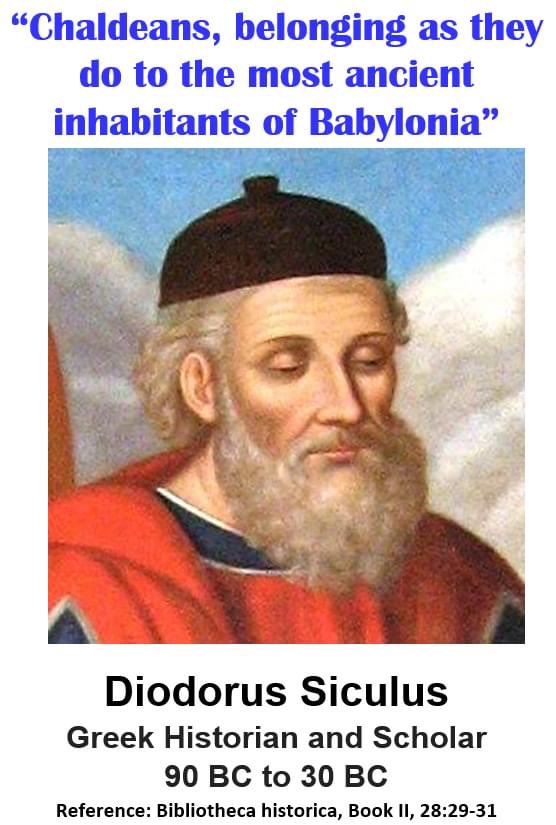
The journey has led to meeting friends around the world, who have shared with me a wealth of knowledge, including the history of Diodorus Siculus, a Greek Historian and Scholar who wrote about the Chaldeans.

The older I grow, the more I realize the importance of honoring and documenting our stories, which similarly like many ancient ethnic groups, have much wisdom that everyone can learn and benefit from. The stories I write are not about Chaldeans, but the human spirit, as was expressed by these reviewers for “Little Baghdad: an Endangered People in an American City.”

These are some of the reviews expressed by Chaldeans and non-Chaldeans alike.

“This beautiful and enriching book integrates Weam’s life into an arc which is worth reading as she navigates life from a youngster in Iraq, immigration to USA, family and individual growth with a diverse community that surrounds her. Weaved into the stories are journeys of various groups, such as Native Indians, and their long-forgotten life along with traditions that have changed with each generation. My favorite things about the book are the human thoughts, the written and silenced words, and the different emotions that come to life in unique situations.”   Asmaa Jamil, co-author of Kingdom of Treasures series and a screenplay writer

“Little Baghdad is a must-read! Weam takes her reader on a rare journey that embraces Namou’s historical roots that go back to the formations of the first recorded cities over 7,000 years ago to the complexities of modern day urban life. Along the way, she shares the most important aspects of society to preserve and how to do so.” Roy Gessford, Author, Preserving the Chaldean Aramaic Language and Founder, Let in the Light Publishing

Click HERE to purchase Little Baghdad!

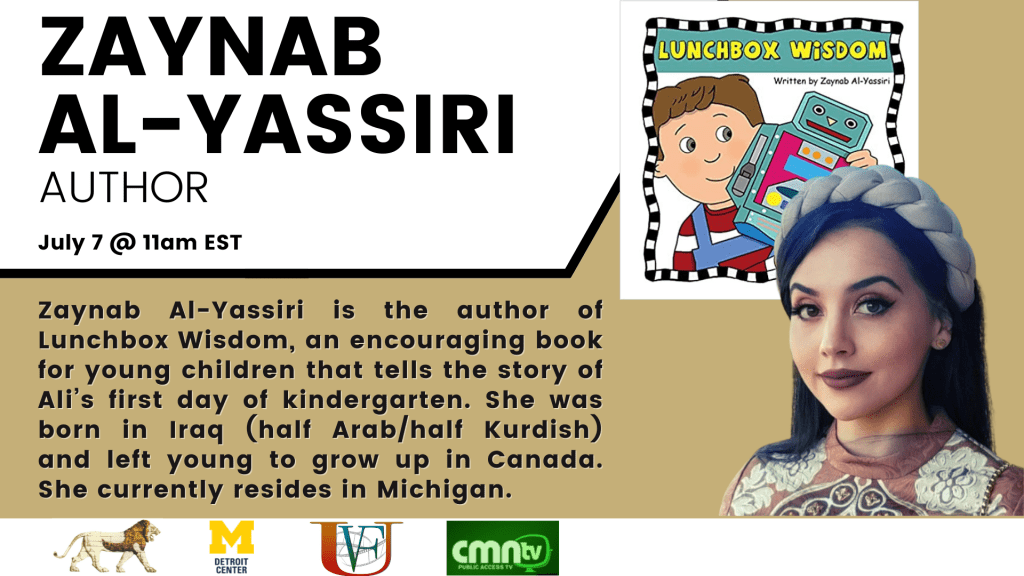
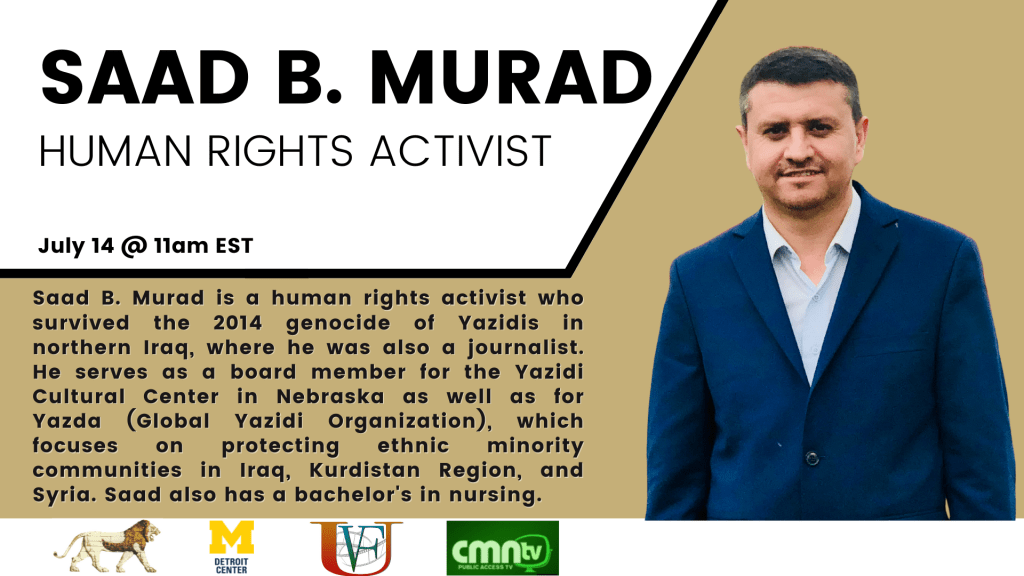
Every month, I interview remarkable individuals on a weekly basis for the Virtual Discussion Series in partnership with Unique Voices in Films, the Chaldean Cultural Center, CMN TV and U of M [Detroit Center].

Upcoming Interviews for This Month

Check out my YouTube channel where you can watch the interviews live and subscribe. Be sure to set reminders/alerts so you can stay updated on Live and uploaded content.

You can also now find me on Tik Tok, where I’m letting loose and sharing morsels of my life.

Reach Out and Touch Somebody’s Hand

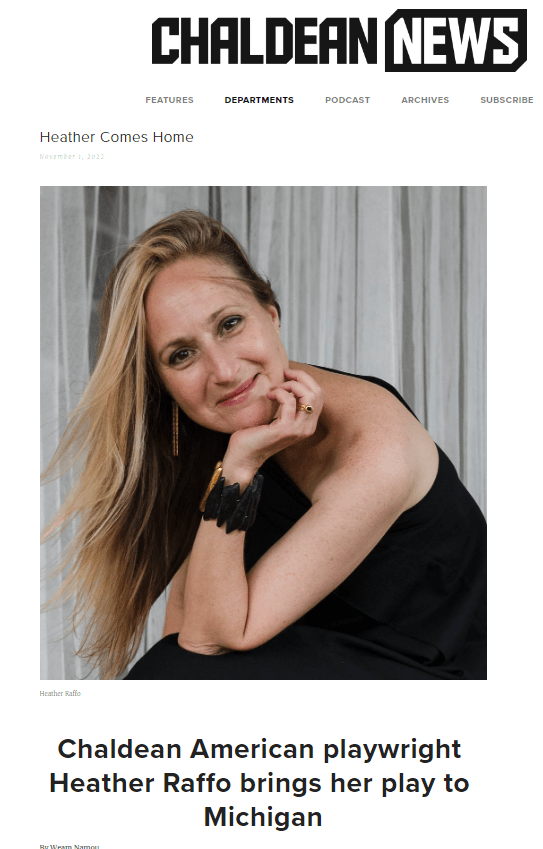
I had several assignments in the last two months to write about Heather Raffo’s play, Noura, for The Chaldean News. The play opened at the Detroit Public Theater earlier this month, but I initially watched it when it was being workshopped in 2016 at the Arab American National Museum.

Click the image below to read the article on Heather that I wrote for Arab America

And here’s one of the recently published Chaldean News articles you can click on to read as well.

In the process of covering her work this last month, I experienced the Detroit Public Theatre for the first time and met the wonderful people who work there. I was invited to join in a post-show discussion with Heather and a few others as a panelist (coming up on December 13 and December 18). I remembered when I was invited to do the same thing in 2008 for Heather’s play 9 Parts of Desire at the Performance Network Theatre, which unfortunately closed in 1981 after 34 years.

Meeting Heather this time around, we had a chance to spend quality one-on-one time together. I also had an unplanned meeting with Madelyn Porter, a warm, high-spirited, beautiful woman who works at the Detroit Public Theatre. Madelyn has worked as a professional storyteller/actor for the past 40 years. She and I sat at a table near the window with the sun shining over us. In this environment, the lobby area, we enjoyed a pleasant and productive conversation about various topics, including how our communities can work together. I walked away from it feeling inspired and truly happy about my work.

A few days later, Madelyn invited me as a keynote speaker at the Reverend Dr. Martin Luther King, Jr. Prayer Breakfast held January 16, 2023. The theme is “Reach Out and Touch Somebody’s Hand.” The event is sponsored by the Concerned Women of Hamtramck in partnership with the Hamtramck Public School District. She wrote, “Your beautiful voice needs to be heard.” 

I was so honored and so touched. Minorities often feel that their stories are marginalized, and I think that for men and women from the Middle East, this feels especially true. Having a voice at all is a big challenge to begin with, given the regions we were born in. Telling our stories authentically requires a lot of courage. People who listen, who really listen, hear you because they are listening from their hearts and not just their minds. They have the wisdom to understand what it really means to reach out and touch somebody’s hand. And once they do that, they become examples for those they touch so that person can pay it forward. 

As we near the end of this year’s holidays, look at your year and ask yourself, “Who has reached out and touched my hand? What did that do for me? How can I pay it forward in the upcoming year?


You can also learn more about Heather in the 2021 interview with her on camera.


Every month, I interview remarkable individuals on a weekly basis for the Virtual Discussion Series in partnership with Unique Voices in Films, the Chaldean Cultural Center, CMN TV and U of M [Detroit Center].

Check out my YouTube channel where you can watch the interviews live and subscribe. Be sure to set reminders/alerts so you can stay updated on Live and uploaded content.

You can also now find me on Tik Tok, where I’m letting loose and sharing morsels of my life.

Upcoming Interviews for This Month


Mesopotamian Goddesses: Unveiling Your Feminine Power

Archaeological evidence suggests that women in ancient Mesopotamia held high governmental and religious positions during the Garden of Eden period when goddesses and gods coexisted peacefully. The Garden of Eden was said to have had a design and a rhythm, a yin and yang concept. We seem to have lost that paradise because of the veil of ignorance. I believe that, to re-establish that equilibrium, we must first heal our that land by resurrecting specific stories and re-enacting them on the page and in our collective memory.

I spent the last few months posting on TikTok about the goddesses in my book Mesopotamian Goddesses: Unveiling Your Feminine Power. Although I have done many presentations on this topic, I have not read this book since it was released in January 2019. Re-visiting these goddesses through the pages brought me back to the realization of the power that women had in ancient times.

Source: Wikipedia

In the book, I draw from my extensive shamanic training and connection to my Mesopotamian roots to bring forth a transformed understanding of feminine consciousness, guiding the reader through powerful yet practical exercises to manifest their dreams and create a healthy marriage within the one’s self, home, and society. I share my interest, research, and connection to Mesopotamia, the cradle of civilization, and the amazing women who lived there historically, explaining where that region is today (in Iraq), its link to the Bible, and the culture and people that came from there. Each deity has her own chapter in which I tell her story: Enheduanna, a princess, priestess, and the first writer in recorded history; Gula, the Great Healer; Namshe, the goddess of Social Justice; and many others.

Today I’ve completed my Mesopotamian Goddesses TikTok series, and next I will start posting about Pomegranate, which we just completed the rough cut of! Working on the Pomegranate script, the book, the audiobook, and now the film, has been an amazing unforgettable experience. I’ve produced and directed a feature documentary before, but never a feature narrative. It’s a whole other ball game, requiring the kind of patience, talent, and collaboration that made me understand why I often heard along this journey that “Most films don’t get made.” I’m so glad we were able to make Movie Magic happen!

If you’re interested in mythology, history, feminine strength, spiritual lessons, heritage, love, then you will enjoy reading Mesopotamian Goddesses: Unveiling Your Feminine Power.

It’s available as an eBook and in print.

Source: Wikipedia

Every month, I interview four remarkable individuals on a weekly basis for the Virtual Discussion Series in partnership with Unique Voices in Films, the Chaldean Cultural Center, CMN TV and U of M [Detroit Center].

Check out my YouTube channel where you can watch the interviews live and subscribe. Be sure to set reminders/alerts so you can stay updated on Live and uploaded content.

You can also now find me on Tik Tok, where I’m now beginning a series on Pomegranate.

Partaking in Others’ Act of Power

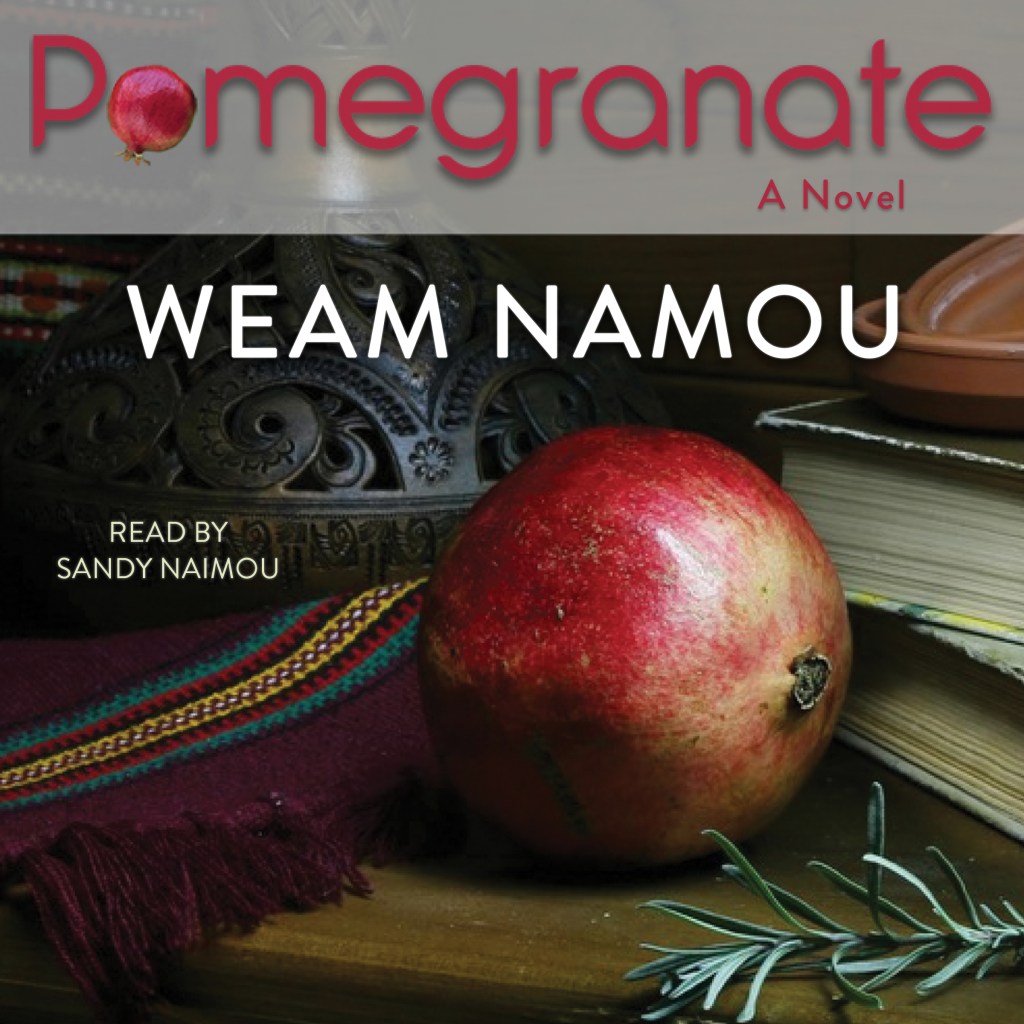
I have been enjoying listening to audiobooks for years, imagining the day one of my fourteen books would be available in this format. Then one day out of the blue, my niece Sandy asked if she could create a sample audiobook narration  from my book Healing Wisdom for a Wounded World: My Life-Changing Journey Through a Shamanic School. I thought this was a lovely idea and gave her the go-ahead. When she sent the audio for my approval, I was surprised. I wasn’t expecting her voice to be so engaging and professional in its delivery. 

Through our conversations, I learned about her earlier interests in theater and acting and her current desire to shift careers from a yoga instructor to an audiobook narrator. The stars having aligned, as they say, I asked if she would like to narrate Pomegranate.  She was excited about the opportunity but had her reservations, since she hadn’t yet narrated an entire book and there was a lot involved, such as numerous male and female characters of various age groups and ethnicities. But I have a knack for discovering talent – it’s all around me actually – and I said, “Let’s give it a try.”

The time, effort, coaching, proper recording space and equipment, and the ability to self-direct as well as receive direction from me, created a priceless experience for both of us and a lovely audiobook. What was amazing is that ACX, the Audible.com platform, approved it from the first get-go which says a lot about Sandy’s professionalism. (Tune in on June 30th when I’ll be interviewing Sandy and she’ll discuss the process – see info. below). So far we’ve had wonderful feedback, the story resonating with listeners because it’s funny, it’s real, and it asks important questions. 

One of the first things I learned from my four-year apprenticeship in Lynn V. Andrews’ mystery school is the Act of Power, a transformation practice to help you reach your dreams. This practice propels all my projects, but particularly Pomegranate. The most magical part about it is that when you help another with their Act of Power then the blessings are doubled and tripled – as was the case with me and Sandy working together. 

Do you want to partake in our act of power? Since we just announced the release of the audiobook on May 25, it would be so meaningful if you can take a listen to the 5 hour 25 minute book on Audible – the 525 is pure coincidence 🙂 – and leave an honest review. It would be a great help in getting the word out. You can click the image or link below to get to it.

If you don’t have an Audible membership, you can get the audiobook for FREE with a 30-day Audible trial.

Just CLICK HERE TO GO TO AUDIBLE, start the trial process, and get the Pomegranate audiobook!

Thank you so much in advance and we hope you enjoy the book!

And if you listen and enjoy it, please tell a friend or two about it!


Every month, I interview four remarkable individuals on a weekly basis for the Virtual Discussion Series in partnership with Unique Voices in Films, the Chaldean Cultural Center, CMN TV and U of M [Detroit Center].

Check out my YouTube channel where you can watch the interviews live and subscribe. Be sure to set reminders/alerts so you can stay updated on Live and uploaded content.

You can also now find me on Tik Tok, where I’m currently running a series on Mesopotamian Goddesses.

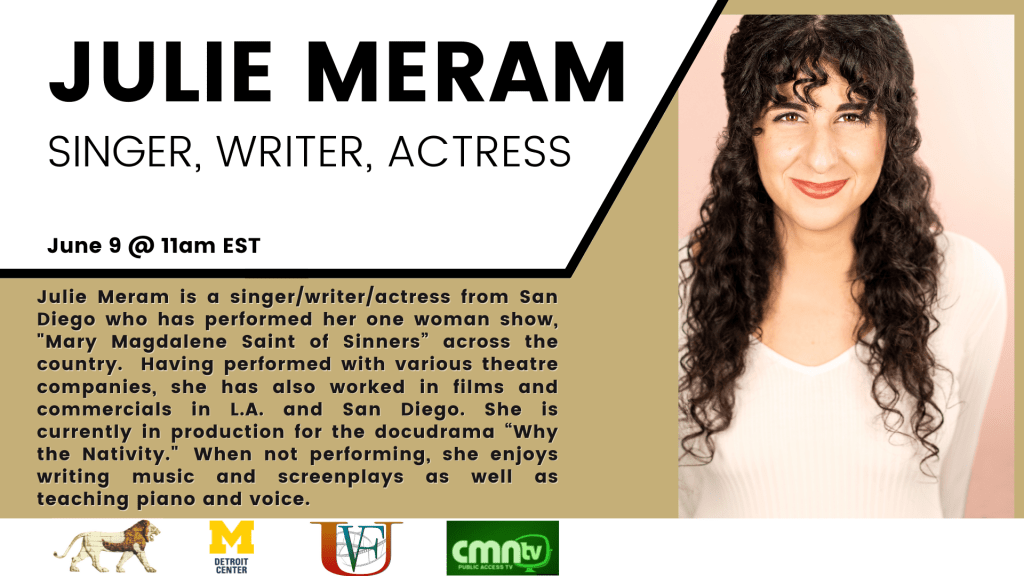
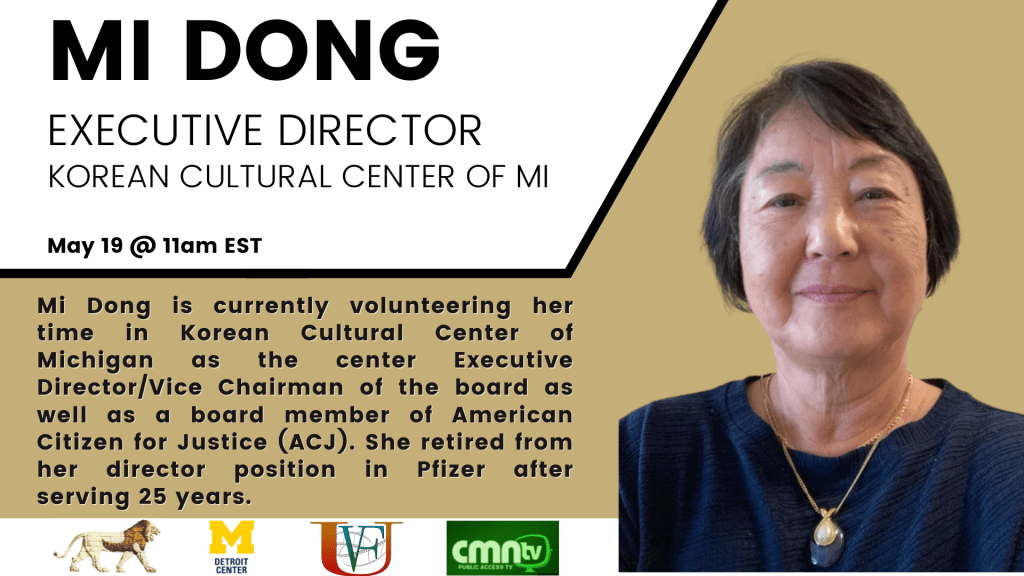
HERE’S THE GUEST LINE-UP FOR JUNE 2022:

Creating the Audiobook for “Pomegranate”

A guest blog by Sandy Naimou

The births of my children gave me less and less reasons to travel.  The pandemic helped me to embrace being home-bound.  But now, my children were two thousand miles away and so was the comfortable quiet solitude of my home.  It was time that I take the next step in my life.

It was my first trip to the Krotona Institute in Ojai, California, where a small group of us were there to take on various projects that would keep us busy for the next year.  I was going to take a series of related classic texts written in the early 1900s and produce them into audiobooks.  Audiobook narration was that “next step in my life” and I was in the middle of producing Weam Namou’s book “Pomegranate,” which had to take a back seat while on this trip.

On the Krotona campus, the first early morning was still and chilly.  The rest of the residents were tucked away in their respective adobe-styled dwellings, but the birds were actively singing and fluttering about.  Michigan’s bitter January weather was behind me, but I was grateful on this first morning in the mild winter of the Ojai Valley that I had my light winter jacket where I could hide my hands away.

I walked through the Sanctuary of Connections on the campu, a garden for contemplation.  Step by step, my eyes sensed the newness in my surroundings.  At the start of the path a statue of a Lioness stood to greet those who entered.  Weathered, but revered, various offerings were placed around her majestic stance.  The plaque on her throne read:

“Touching the forehead of the lioness

Speaking the name of one who suffers

Forming the connection to nature

Embrace healing powers.”

Then I found I was moving to a statue to symbolize a world religion, and another statue and another.  Great traditions that hope to uplift humanity:  Buddhism, Islam, Christianity, Taoism, Sufism, Indigenous traditions, Hinduism, Theosophy, Judaism, Baha’i, Zoroastrianism, Jainism, Sikhism, Confucianism, and the teachings of Krishnamurti.

As I approached the end of the path, a small shining sphere caught my attention and brought me closer to the tree from which it hung.  I felt a deep connection to the tree before I realized what I was seeing and sensed it pulling me in, rather than being pushed by my own curiosity.  The sphere glistened within its small, bare, and modest foliage, the branches of the tree thin and the leaves spare.   I walked closer, still not knowing what it was.   There it was, the smallest pomegranate I have ever seen, and the only one I have ever seen on an actual tree.  The fruit’s skin had burst open, and its seeds were exposed.

I was surprised, no, I was astonished.   There I was, experiencing a parallel path with the fruit staring at me and my own life, and that moment moved the lines to create a clear intersection.

After deep soul searching in 2021, I realized that I wanted to shift away from teaching Yoga full-time to narrating audiobooks.  It was very much a “mid-life crisis” experience and through deep inner listening and self-observation, I began to realize this was the next step.  Although, when do we actually truly “know” this sort of thing? All we can do is be open to continue learning about what the steps might be.  For instance, when I began, I thought I would only be able to work on non-fiction books since I don’t read fiction and I’m not a trained actor.  And then it occurred to me that I was avoiding the things I had, once upon a time, loved to immerse myself in, but stopped doing when I was prohibited from going away to college to study acting.  I was avoiding fiction and I was avoiding acting.  When Weam was impressed with my initial reading of her book in October 2021, I realized that I couldn’t, and shouldn’t, avoid either one anymore.  

And standing there in the Sanctuary of Connections, looking at the little ruby red pomegranate, I understood that the steps I have taken through the garden of my life are moving me in the direction that I am to go. 

As a second-generation Chaldean-American immigrant, Weam’s book spoke to me, a book which I know quite intimately after multiple readings, recordings, and analysis. In portraying the characters, I was eventually able to incorporate their personalities within my own being, bringing me closer to these cultural roots.  

But more than that, the book spoke to me on a spiritual level, one that goes beyond imagined lines of nation, culture, religion, and gender.  Immersing myself in it, I was able to incorporate the character’s souls in my own being.  Their desires and struggles brought me to the Sanctuary of Connections within my own heart.  Weam’s experiences and the story she shares with us, helps us to see that these desires and struggles transcend all the societal labels, these imaginary lines, that we are exposed to everyday which make us feel separate from each other.  

For ages we have been trying to teach each other that we are all One, through traditions, religions, stories, and laws.  And yet, it seems that these teaching tools, in our limited ignorance, have been used to create divisiveness in our hearts and minds.  But there is hope.  And beautiful stories like “Pomegranate,” which holds within its center the Sanctuary of Connections, will help us create a future of Unity instead.  

Author Bio: Sandy Naimou has a B.A. in psychology & M.L.A. in women’s and gender studies.  She teaches Yoga, serves on the board for The Theosophical Society in Detroit, and, as you already know, is an aspiring Audiobook Narrator.  

https://www.sandynaimou.com/


Check out my YouTube channel to learn about this week’s guest, who I’ll be interviewing live. Subscribe to my channel and set reminders/alerts so you can stay updated on Live and uploaded content.

We are exploring the effects of global war and trauma during May.

Here’s the guest line-up for May 2022:

Interview with Tina Ramirez, Founder and President of Hardwired Global

Tina Ramirez is the Founder and President of Hardwired Global, a non-profit organization that specializes in human rights education and training to promote peace and pluralism worldwide. Tina brings to Hardwired more than 20 years of experience as an educator, policy advisor, and expert on international human rights and religious freedom. She has worked in more than 30 countries and travels regularly to the Middle East and Africa. She has spoken before the United Nations and the African Union and testified before the U.S. Congress.

Tina’s educational programs, which have been published in several journals, have provided significant evidence of successful methods to help children overcome hate and intolerance, build resiliency against extremist thinking, reduce violent responses toward minority groups, and improve treatment of women and girls. She is the author of Iraq: Hope in the Midst of Darkness (2017), a contributing author/editor of Human Rights in the United States: A Dictionary and Documents (2010 and 2017), and author/editor of Human Rights: Great Events From History (2019). Previously, she served as a foreign policy advisor for the U.S. Commission on International Religious Freedom and the U.S. Congress, where she founded the bi-partisan International Religious Freedom Caucus. She is the former Director of Government Relations and International Programs at Becket Law. She holds a certificate from the International Institute for Human Rights in Strasbourg, France, a MA in Education from Vanguard University, and a MA in International Human Rights from the University of Essex, UK. Tina now lives in the suburbs of Richmond, VA with her daughter, Abigail. In 2020, Tina was a candidate for the U.S. Congress (VA-07).

For more information about Hardwired, visit: https://hardwiredglobal.org/​ Educational material, including books: https://hardwiredglobal.org/curriculum/